Why Does My Home Have Only Two-Prong Outlets When Everything I Own Has Three Prongs in Palos Hills?
Why Does My Home Have Only Two-Prong Outlets When Everything I Own Has Three Prongs?
Two-prong outlets are found in older homes built before grounded wiring systems became standard practice in the 1960s and 70s. They lack a ground wire, which means there’s no safe path for electricity to travel if a fault occurs inside an appliance. That’s why modern devices come with three-prong plugs, and why using adapters as a permanent fix is a bad idea.
What’s Actually Missing in a Two-Prong Outlet?
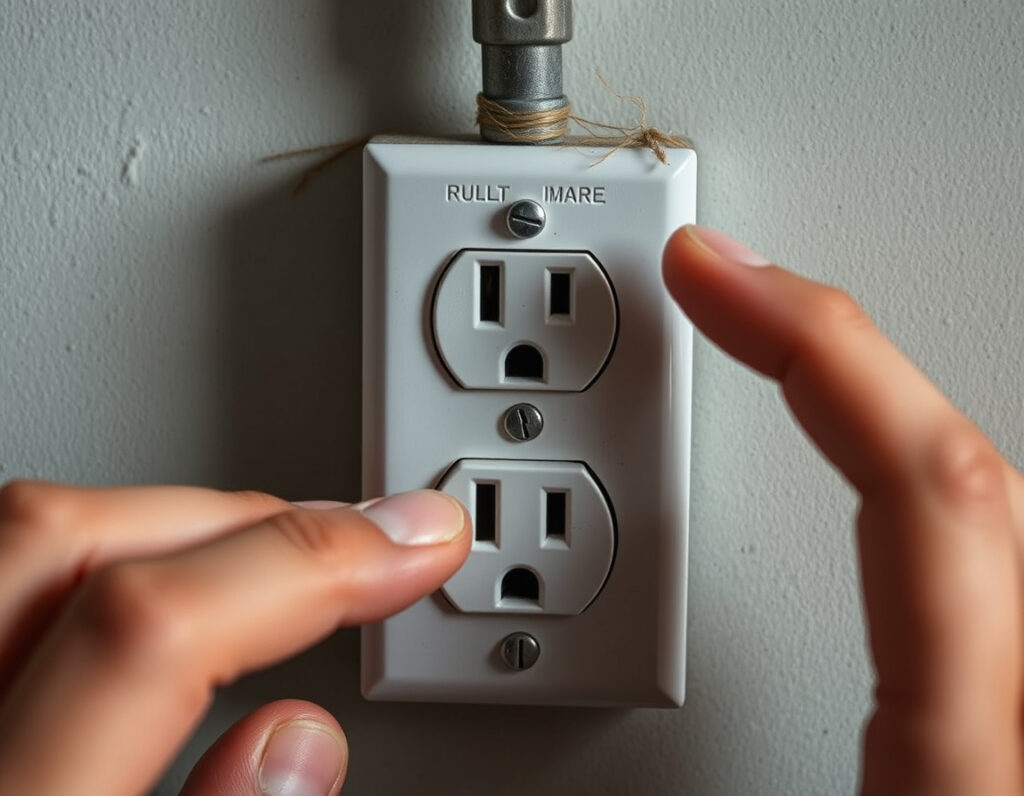
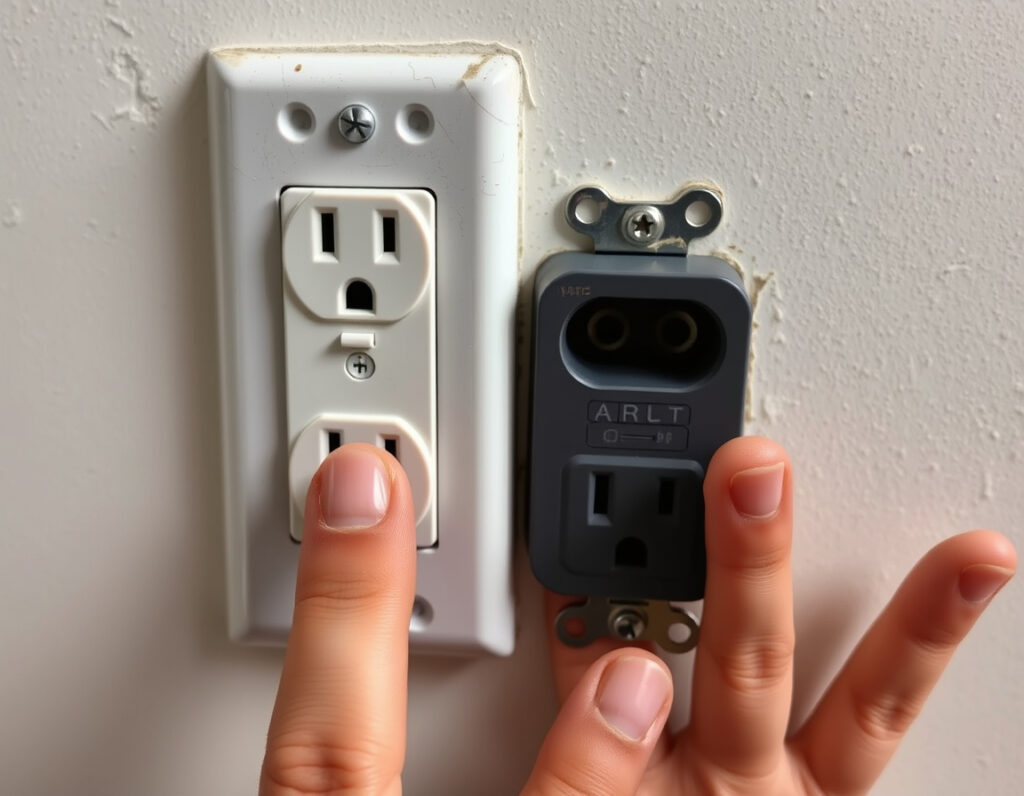
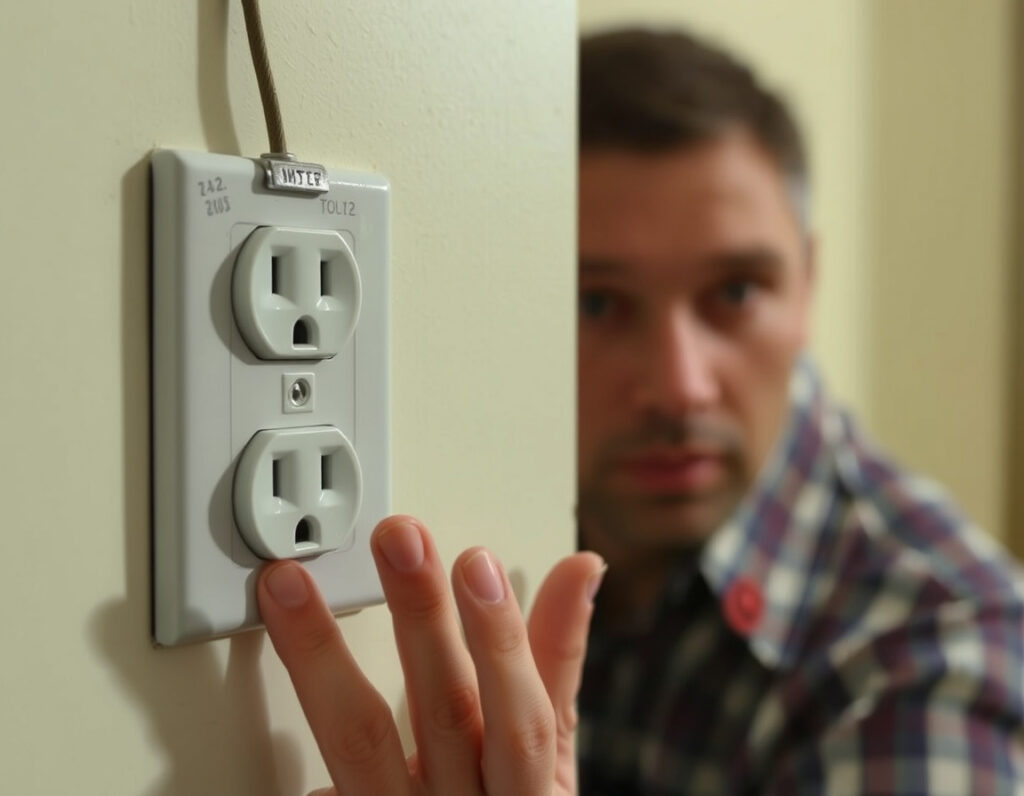
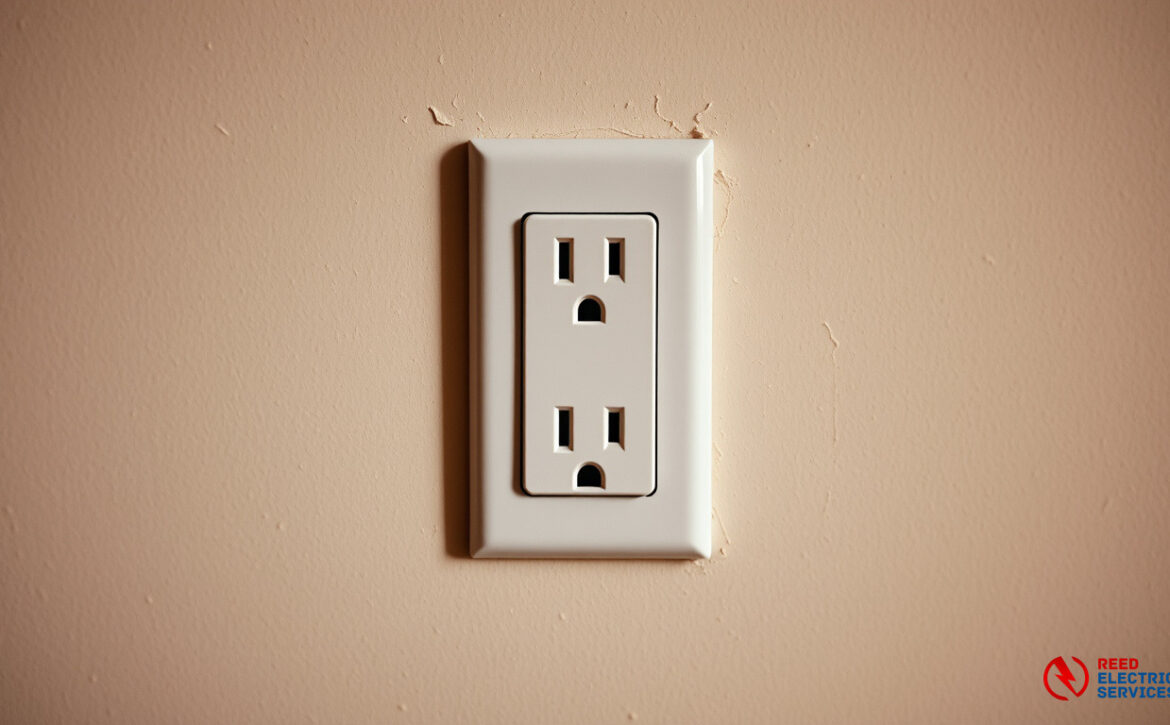
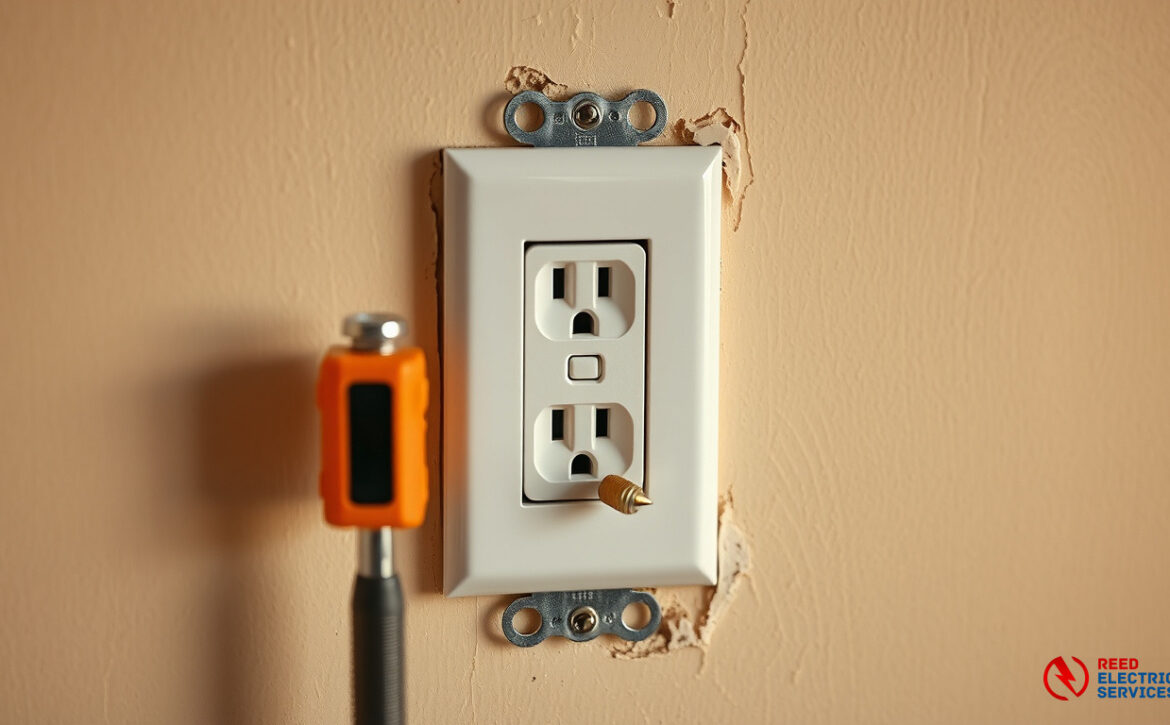
A standard outlet has two slots for hot and neutral wires, plus a round hole at the bottom for the ground wire. Two-prong outlets only have the first two. The ground connection is what protects you when something goes wrong inside a device — a frayed wire, a faulty motor, a manufacturing defect. Without it, that stray current has nowhere safe to go except through you or through the device itself, potentially starting a fire.
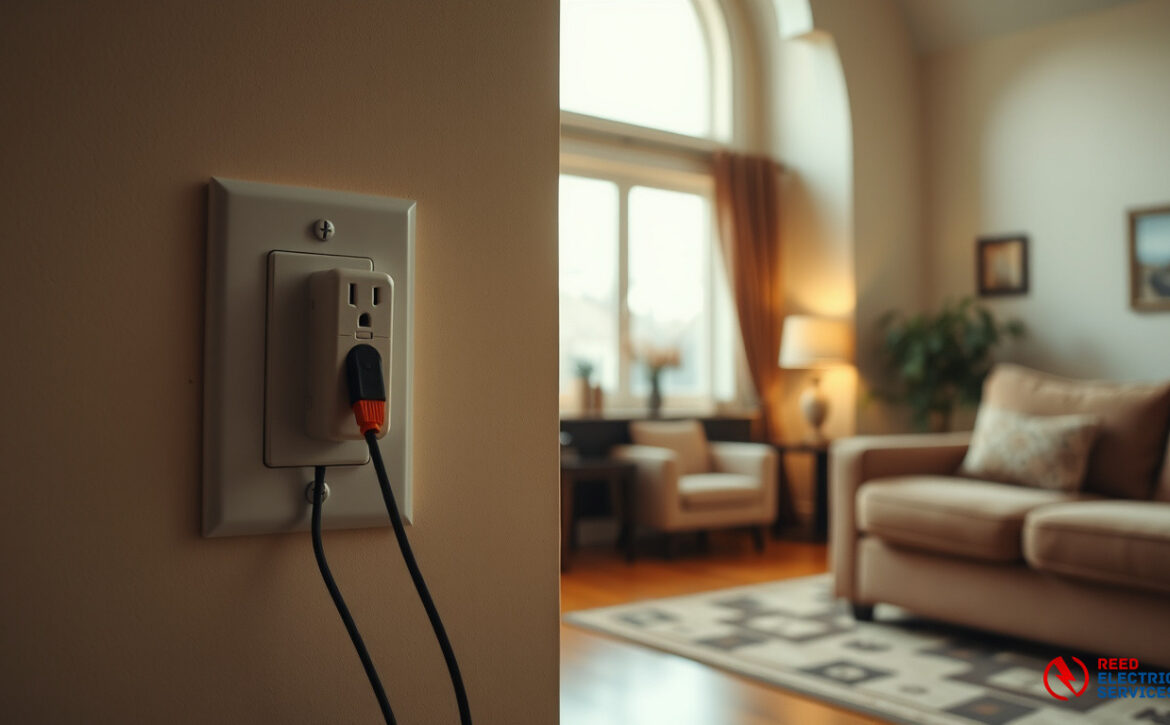
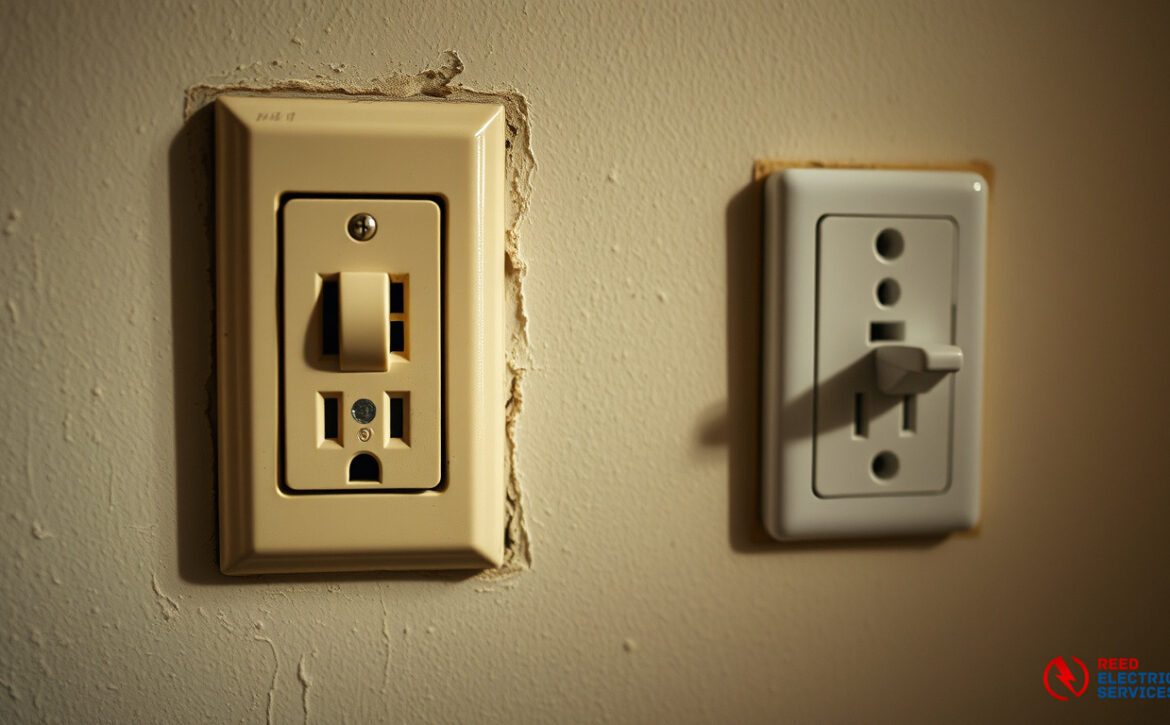
Homes in Palos Hills that were built in the 1950s and 60s often still have this type of wiring throughout. Some homeowners have lived with it for years using those little orange plug adapters, but those adapters do nothing to actually ground the outlet. They just change the shape of the opening.
The Grounding Wire Does More Than You Think
Grounding isn’t just a safety net for electric shock. It also stabilizes voltage levels, which matters a lot for sensitive electronics. Computers, smart TVs, and gaming consoles can experience data corruption or premature hardware failure when they’re running on ungrounded circuits for extended periods. If you’ve ever had a device behave oddly or fail early, your wiring may have had something to do with it.
Three Options for Fixing Two-Prong Outlets
There are a few legitimate approaches, and the right one depends on your existing wiring:
- Full rewire: The most thorough fix. New wiring gets run throughout the home, adding a ground conductor to every circuit. If your home has knob-and-tube or cloth-wrapped wiring, this is often the route an electrician will recommend anyway. See our wiring upgrades page for more on what that involves.
- Run a ground wire to existing outlets: An electrician can sometimes add a ground wire to specific outlets without replacing all the wiring, depending on how your circuits are laid out and how accessible the walls are.
- GFCI outlet replacement: This is the option the National Electrical Code actually permits in some situations. A GFCI outlet doesn’t provide a true ground, but it does offer protection against ground faults, which is the primary shock hazard. It must be labeled “No Equipment Ground” if used this way. It’s a practical middle-ground solution in older homes where running new wire isn’t immediately feasible.
Which option makes sense for your home really comes down to the age of the wiring, the layout of the house, and how many outlets need attention. An electrical inspection is the fastest way to get a clear picture of what you’re working with before spending money on anything.
Is This Something You Can Fix Yourself?
Swapping out a two-prong outlet for a GFCI is technically within reach for a confident DIYer — but only if you’re absolutely certain the power is off and you understand how to wire it correctly. The problem is that older homes often have surprises behind the wall: outdated wire gauges, deteriorated insulation, or connections that haven’t been touched in 50 years. What looks like a simple outlet swap can turn into something more involved once you pull the old outlet out.
For most homeowners in the southwest suburbs, the safer call is having a licensed electrician handle it. The cost of a professional outlet replacement is low relative to the risk of a wiring mistake in an already aging system. Our switch and outlet installation service covers exactly this kind of work, and we can assess the rest of the circuit at the same time.
If you’re in an older home and considering a larger upgrade, this breakdown of full vs. partial rewiring is worth reading before you decide on a scope of work.
The City of Palos Hills also requires permits for electrical work in most cases, so any upgrade should be done in a way that keeps your home code-compliant and insurable.
Related Questions
Can I use a three-prong adapter on a two-prong outlet long-term?
Those adapters, sometimes called “cheater plugs,” let you plug in a three-prong device physically but don’t add any grounding protection. They’re fine in a true pinch, but using them as a permanent solution leaves your appliances and electronics without the fault protection the ground wire is supposed to provide. They also create a false sense of security that can delay a fix that actually matters.
How do I know if my home’s outlets are grounded without testing every single one?
The easiest way is with a plug-in outlet tester, available at any hardware store for a few dollars. It has indicator lights that tell you whether the outlet is properly grounded, wired correctly, or has a wiring error. That said, a licensed electrician can walk through your home during an inspection and give you a complete picture of which circuits are grounded and which need attention, which is faster and more reliable than testing 40 outlets yourself.