
28 Jun
Why Does My Home Have More Than One Electrical Panel?
Most homes have a single main electrical panel, but some houses have a second one called a subpanel — a smaller distribution box that receives power from the main panel and sends it to a specific area like a garage, workshop, or finished basement. It’s not a sign of a problem. It’s actually a normal setup when a particular section of the home needs its own dedicated circuits without crowding the original panel.
What a Subpanel Actually Does
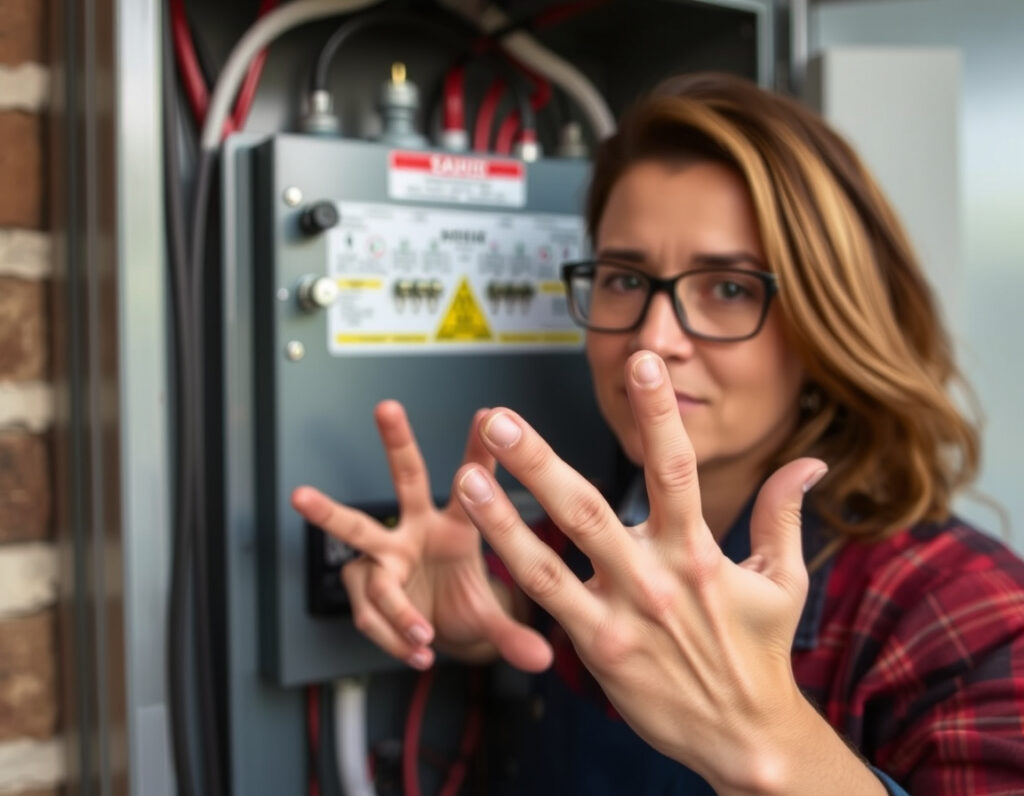
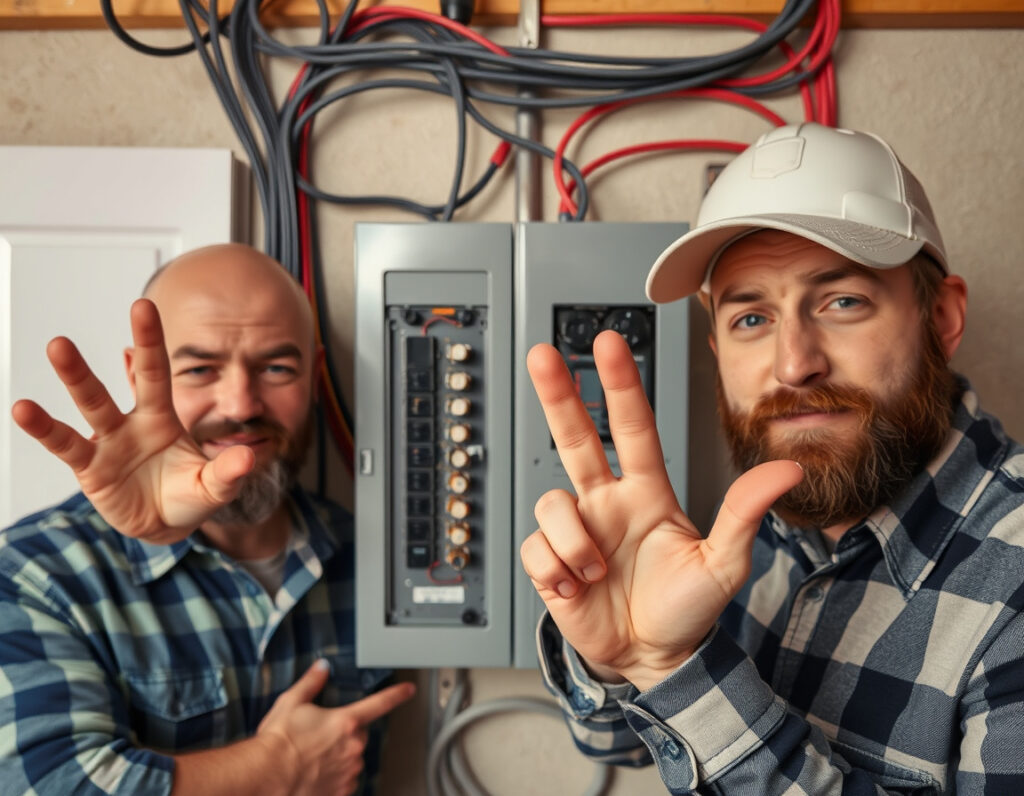
Think of your main panel as the trunk of a tree. A subpanel is a large branch that carries power to one specific zone. The main panel feeds the subpanel through a dedicated two-pole breaker, and from there the subpanel manages its own set of circuits independently.
Common Reasons a Second Panel Gets Installed
The most frequent scenario is a detached garage or a converted basement that needs more circuits than are available in the main panel. Running individual circuits all the way from the main panel to a far corner of the property gets expensive fast. Running a single large feed to a subpanel near the work area and then distributing from there cuts down on both wire and labor costs significantly.
Homeowners in the area who’ve added home offices, home gyms, or EV chargers often find a subpanel is the cleaner solution. Rather than overloading the original box or attempting to squeeze in more breakers than it was designed to handle, a licensed electrician installs a subpanel that handles the new load on its own terms. If you’ve been adding circuits and running out of space, check out our post on whether you actually need a panel upgrade first — sometimes an upgrade is the right call, sometimes a subpanel fits better.
What a Subpanel Cannot Do
A subpanel doesn’t increase the total power coming into your home. That capacity is set by your utility service entrance and the main breaker. If your house is genuinely pulling too much power overall, a subpanel won’t fix that. You’d need a full electrical panel upgrade to solve an undersized service problem.
A subpanel also requires a proper ground and neutral separation that differs from how the main panel is wired. This is one of the most commonly botched parts of a DIY subpanel job. Get it wrong and you create a shock hazard that won’t trip a breaker to warn you. The National Electrical Code (NFPA 70) is very specific about subpanel wiring requirements, and local inspectors in the southwest suburbs enforce them.
How to Tell If Your Home Already Has a Subpanel
Walk your home and look for a secondary breaker box. They’re most often found in garages, utility rooms, basements, or on an exterior wall of a detached structure. It will look like a smaller version of your main panel, with its own set of circuit breakers inside. There may also be a large conduit running between the two boxes.
Signs Your Subpanel May Have a Problem
If breakers in your subpanel trip frequently, or if you notice any burning smell near the box, buzzing sounds, or corrosion on the bus bars, those are warning signs worth taking seriously. Older subpanels installed during the 1970s and 80s sometimes used panels that have since been recalled or flagged for safety issues. A licensed electrician can open the box, identify the brand, and let you know if you’re dealing with outdated equipment.
Local residents who own older homes near Palos Hills should be especially attentive here — a lot of housing in this part of the southwest suburbs was built during that exact window. If you’re unsure about the condition of your existing panels, Reed Electrical Services can walk through everything during an inspection. You can learn more about what we do at our residential electrical services page.
The Village of Palos Hills has building codes that align with Illinois electrical standards, so any subpanel work needs to be permitted and inspected — not just plugged in and hoped for the best.
Related Questions
Can I install a subpanel myself to save money?
Technically some jurisdictions allow homeowners to do their own electrical work with a permit, but a subpanel involves high-amperage wiring, proper grounding, and bonding steps that most DIYers get wrong in ways that aren’t immediately visible. The risk is real — an improperly wired subpanel can energize metal parts of your home without tripping a single breaker. For most homeowners, the cost of hiring a licensed electrician is worth it for this particular job.
How many circuits can a subpanel hold?
Subpanels come in several sizes, typically ranging from 6-space to 24-space or more. The right size depends on how many circuits you need in that zone and whether you anticipate adding more later. A common residential subpanel for a garage or basement is a 60-amp, 12-space panel, though larger setups running shops or EV chargers may call for 100 amps or more. An electrician will size it based on your actual load requirements, not just current needs.