
11 May
What Palos Hills Homeowners Are Getting Wrong About Electrical Repairs
There’s a pattern that shows up constantly in older Southwest Chicago suburbs. A homeowner near Wolf Road and 111th Street notices a breaker tripping every few days. Instead of calling a licensed electrician, they reset it a dozen times, maybe replace a single outlet, and assume the problem is solved. Months later, the issue is worse — and potentially dangerous. This is the kind of quiet, slow-building problem that’s common in neighborhoods like Palos Hills, where a large portion of the housing stock dates back to the 1960s and 1970s.
Homes built in that era often carry outdated wiring configurations, undersized panels, and aluminum branch circuit wiring that no longer meets current code. None of those problems are obvious from the outside, and none of them announce themselves until something fails. That’s exactly why electric repair service calls in this area look different from a new construction suburb — the issues run deeper, and generic fixes don’t hold.
Residents along McCarthy Road and near Moraine Valley Community College deal with a specific mix of aging infrastructure and modern electrical demand. Smart TVs, EV chargers, home offices drawing continuous load — these weren’t part of the original design calculus for these homes. When repair calls come in, the symptom on the surface rarely tells the whole story.
Reading the Warning Signs Before They Become Emergencies
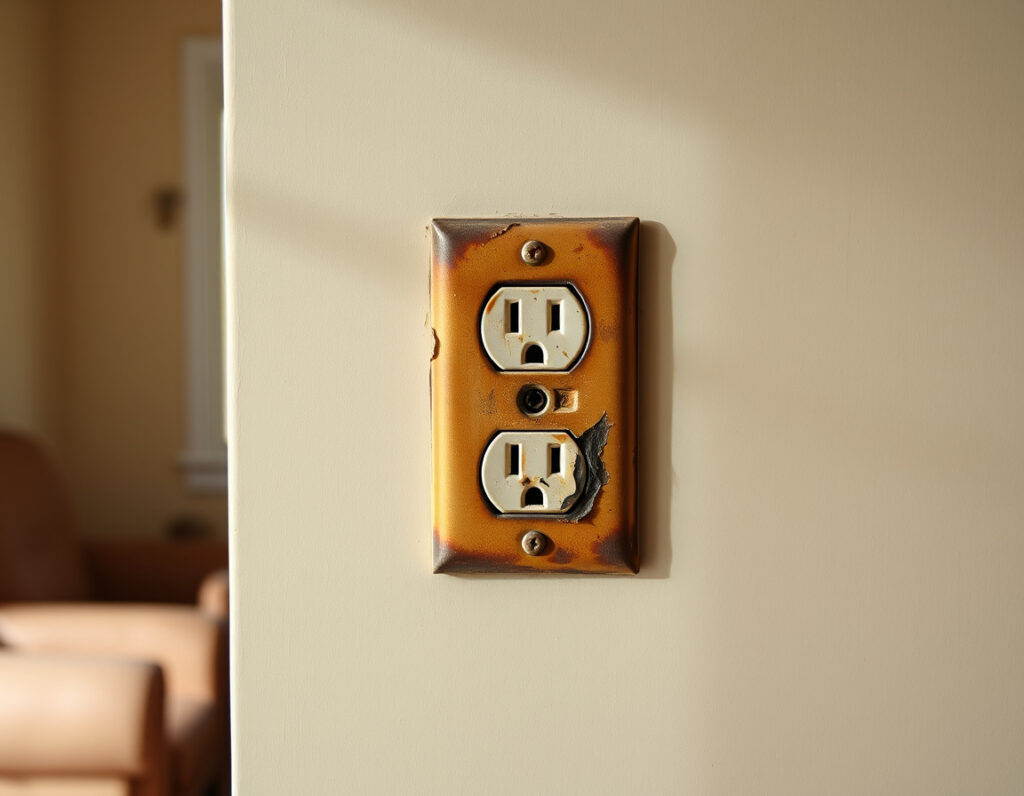
Flickering lights aren’t just annoying. They often point to a loose neutral connection somewhere in the system, which can cause voltage fluctuations that damage sensitive electronics over time. Warm outlet covers, burning smells near panels, and breakers that won’t hold a reset are all signs that the electrical system needs professional attention — not a hardware store fix. If you’re hearing buzzing from a light switch or seeing discoloration on a wall plate, those are physical signs of arcing, and arcing starts fires.
For area homeowners considering a panel check before listing a home or after buying one, a thorough electrical inspection in Palos Hills is often the fastest way to understand what you’re actually working with. It’s a lot less expensive than discovering a wiring problem mid-sale or after moving in.
Why Repair Work Here Isn’t the Same as Elsewhere
The geography of this area matters more than people realize. Palos Hills sits within a cluster of municipalities — Bridgeview to the northeast, Alsip further east, Burbank directly north — all with slightly different building department protocols. When electric repair service work crosses into permit territory (which it often does once a panel or wiring run is involved), knowing local code nuances saves time and avoids failed inspections.
This isn’t theoretical. The City of Palos Hills has its own building department, and electrical work that affects service entrance equipment or branch circuit wiring typically requires a permit and inspection sign-off. A contractor who pulls permits regularly in the area moves through that process without delays. One who doesn’t know the local process creates headaches for homeowners.
Reed Electrical Services, LLC. works across this corridor regularly and understands the permit and inspection process that applies to residential electrical services in this part of Cook County. That matters when a repair turns out to require a partial panel upgrade or a wiring correction that needs code sign-off.
When a “Simple” Repair Leads to a Panel Conversation
This comes up more often than homeowners expect. Someone calls about a dead circuit in their kitchen near 95th Street. The electrician traces it back to a double-tapped breaker in an overloaded 100-amp panel. Now the repair conversation becomes a capacity conversation. Homes in this area that still run on 100-amp service are technically functional but don’t have room to handle modern loads safely.
Replacing an electrical panel from 100 to 200 amps isn’t a small job, but it’s also not an optional one if the house is going to support a home EV charger, an air handler upgrade, or even a tankless water heater. Homeowners who want to understand what that process involves can look at what’s typically required for an electrical panel upgrade in the Oak Lawn area, which shares nearly identical code requirements with Palos Hills.
And for homeowners who’ve already started thinking about EV charging at home, the panel question becomes even more pressing. A dedicated 240V circuit for a Level 2 charger pulls 30-50 amps by itself. If you want to understand the full picture of what that installation involves locally, the details for EV charger installation in Palos Hills cover the circuit requirements, panel considerations, and what to expect from the permit process.
How to Hire the Right Electrical Contractor for Repair Work
The top result you’ll see when searching for electrical help near Palos Hills is a plumbing company. That’s not a knock on plumbers — it just illustrates that the local search landscape doesn’t always surface the right trade for the job. Electrical repair requires a licensed electrician with the right classification, insurance coverage, and experience with residential systems specifically.
Illinois requires electrical contractors to be licensed at the state level, and many municipalities in Cook County layer additional local licensing on top of that. According to the National Fire Protection Association’s NFPA 70 (National Electrical Code), electrical work must conform to current adopted code standards — and in Illinois, local amendments to that code apply. Hiring someone who doesn’t know those specifics can result in repairs that are physically complete but legally non-compliant.
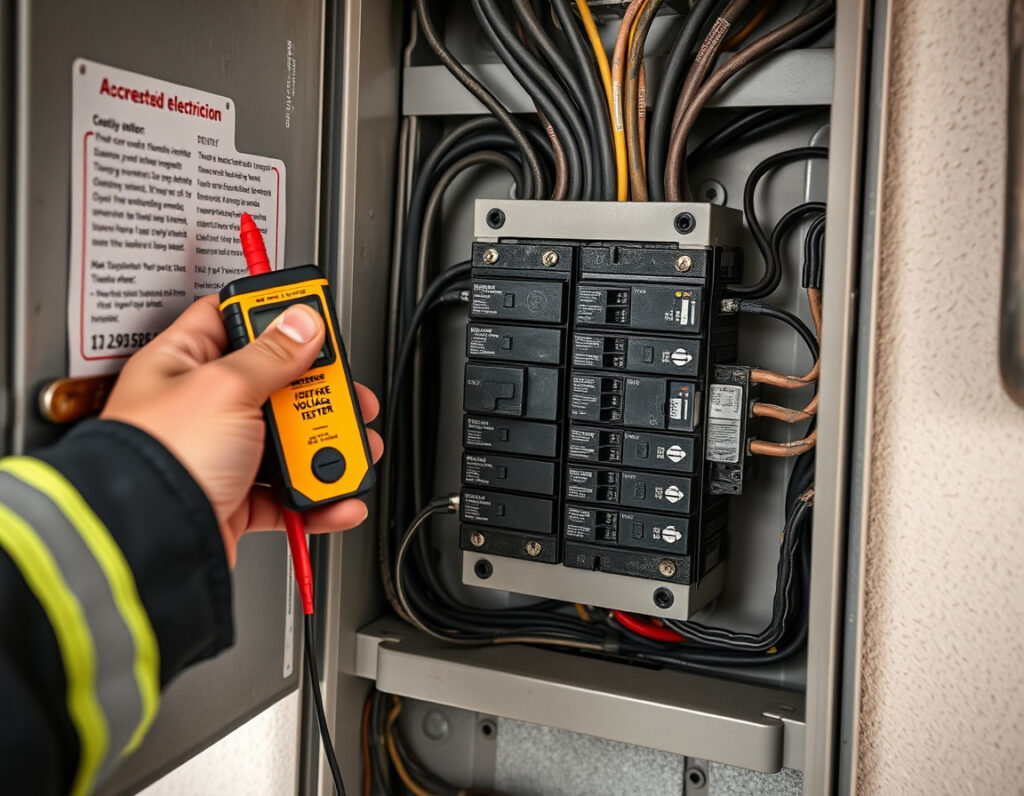
When evaluating electrical contractors for repair work, ask these questions before anyone opens a panel:
- Are you licensed in Illinois and familiar with Palos Hills permit requirements?
- Do you carry general liability and workers’ compensation insurance?
- Will this repair require a permit, and if so, will you pull it?
- What’s your process if the repair reveals a larger underlying issue?
Those four questions will filter out a significant portion of unlicensed or underqualified contractors who operate in suburban Cook County.
What Sets a Commercial Residential Electrician Apart
Some electrical contractors work primarily in commercial environments — tenant buildouts, industrial panels, three-phase systems. Others focus exclusively on residential. A commercial residential electrician who works across both settings tends to have a broader diagnostic skill set, because commercial work demands tighter tolerances and more systematic troubleshooting. That cross-training shows up when diagnosing an intermittent fault in a residential system that a pure residential contractor might misread.
For homeowners near the Palos Hills Rec Center on 83rd Avenue or anywhere along the Cal-Sag Channel corridor, the proximity to light industrial and commercial properties means some residential homes share utility infrastructure that behaves more like commercial service. An electrician familiar with both contexts is better equipped to diagnose problems that originate upstream from the meter.
If you’re dealing with a house wiring electrical issue that’s gone unresolved through multiple repair attempts, the problem is usually either misdiagnosis or an incomplete repair scope. Getting a second opinion from an experienced contractor often resolves months of frustration in a single visit.
Frequently Asked Questions
How do I know if my electrical problem needs a permit in Palos Hills?
Any work that involves the service entrance, main panel, adding new circuits, or modifying existing branch circuit wiring generally requires a permit in Palos Hills. Simple repairs like replacing a receptacle or switch typically do not. The safest approach is to ask your electrician directly — a reputable contractor will tell you upfront whether the scope of work triggers a permit requirement and will handle pulling it if it does.
Can I use a general handyman for electrical repair work in Illinois?
Illinois law requires electrical work beyond very minor tasks to be performed by a licensed electrician. Hiring an unlicensed handyman for electrical repairs creates liability exposure for the homeowner, can void homeowner’s insurance coverage for related incidents, and may result in code violations that surface during a home sale inspection. It’s not worth the risk for anything beyond changing a lightbulb.
What’s the difference between an electrical repair and an electrical upgrade?
A repair restores a component or circuit to its prior working condition. An upgrade improves capacity, safety, or code compliance — things like adding a dedicated circuit, replacing an undersized panel, or installing whole-home surge protection. Repair calls sometimes reveal that an upgrade is the appropriate fix, especially in older homes where the original installation no longer meets current standards. Your electrician should explain clearly which category your situation falls into and why.
Getting the Right Help Without the Runaround
Electrical problems in the Palos Hills area often turn out to be more connected than they first appear. A tripping breaker might be a wiring issue. A wiring issue might point back to a panel that’s simply out of capacity. The repair that looks like a quick fix on the phone sometimes opens up a conversation about the bigger picture. That’s not upselling — that’s honest diagnosis.
Reed Electrical Services, LLC. serves the Palos Hills area and surrounding communities including Bridgeview, Oak Lawn, Burbank, and Alsip. Whether the call is for a straightforward circuit repair or a full diagnostic visit to track down an intermittent fault, the approach is the same: figure out what’s actually wrong, explain it plainly, and fix it the right way. Reach out to Reed Electrical Services, LLC. to schedule a visit and get a straight answer about what your home’s electrical system actually needs.