
11 Jul
What Smart Home Electrical Upgrades Actually Require in a Residential Setting
Smart home technology has moved well past novelty. Homeowners near Wolf Road and 95th Street are installing voice-controlled lighting, automated thermostats, whole-home audio systems, and video doorbells at a pace that older electrical systems simply were not designed to handle. The gap between what a 1970s-era house can deliver and what modern smart devices demand is real, and it shows up fast once you start stacking devices on the same circuits.
Before any smart device goes in, the underlying house wiring electrical infrastructure needs to be assessed. Most smart switches, dimmers, and outlets require a neutral wire at the switch box. Older homes in this part of the southwest suburbs were commonly wired without neutral conductors at switch locations, which means swapping a standard switch for a Lutron or Leviton smart switch is not always a direct replacement. An electrician has to evaluate what is already in the wall before the first device ships.
Equally important is load capacity. Smart panels like the Leviton Load Center or Span Panel require a specific installation environment and often need a sub-circuit assessment before they integrate cleanly with existing service. If the home still runs on a 100-amp service, that math changes quickly when you add EV charging, a heat pump, and a rack of smart devices pulling standby power around the clock.
Voice-Controlled Lighting and the Wiring Behind It
Installing a voice-controlled lighting system room by room sounds simple until you open the first switch box and find two-wire Romex with no neutral. This is one of the most common surprises in older Palos Hills homes built between the late 1950s and early 1980s. The fix is not complicated for a licensed electrician, but it does require running new wire or selecting smart switches engineered to work without a neutral. Getting that choice right matters because the wrong product will flicker, buzz, or fail within months. See the full range of available lighting upgrades in Palos Hills, IL that pair well with smart control systems.
Smart Panels: What the Installation Actually Involves
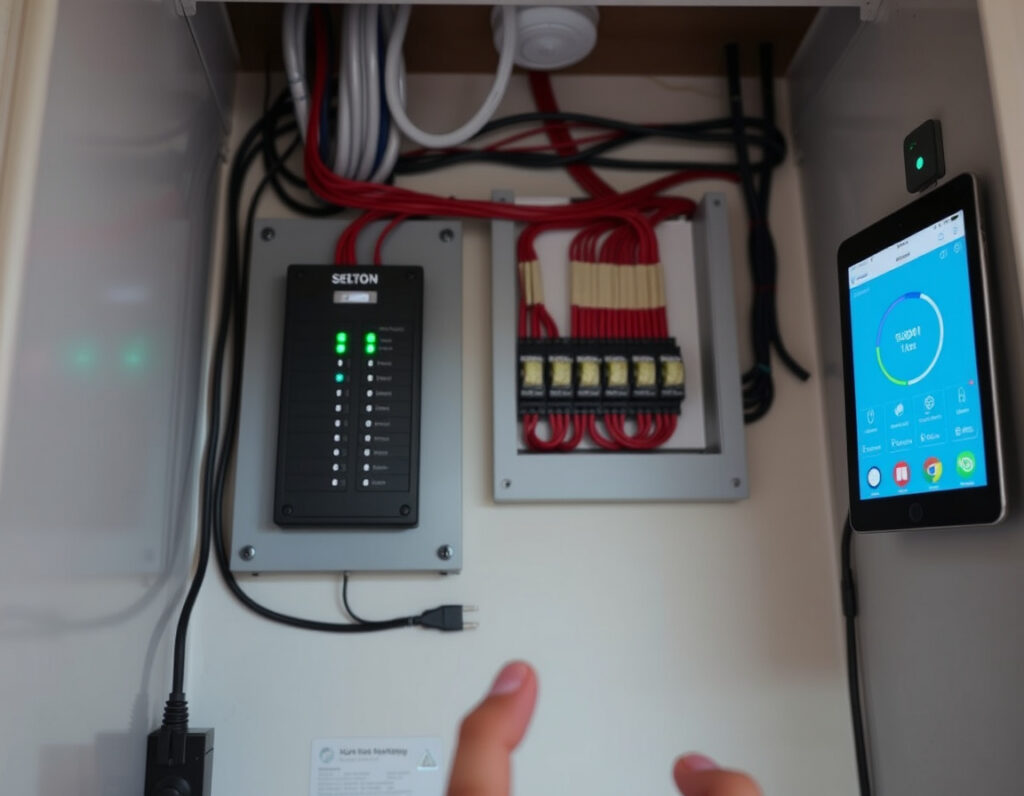
A smart electrical panel does more than manage circuits. It gives homeowners real-time energy data, circuit-level control from a phone app, and in some cases automatic load shedding during peak demand. But replacing an electrical panel with a smart version is a permitted job that involves disconnecting the utility feed, installing new hardware, re-terminating every branch circuit, and scheduling an inspection with the local authority. This is not a weekend project. Residents near Palos Hills Road and 104th Avenue who want this upgrade should plan for a full-day installation and a utility coordination window that can take a week or more. Learn more about what goes into an electrical panel upgrade in Palos Hills, IL before committing to a specific product.
EV-Ready Homes and the Electrical Work That Comes Before the Charger
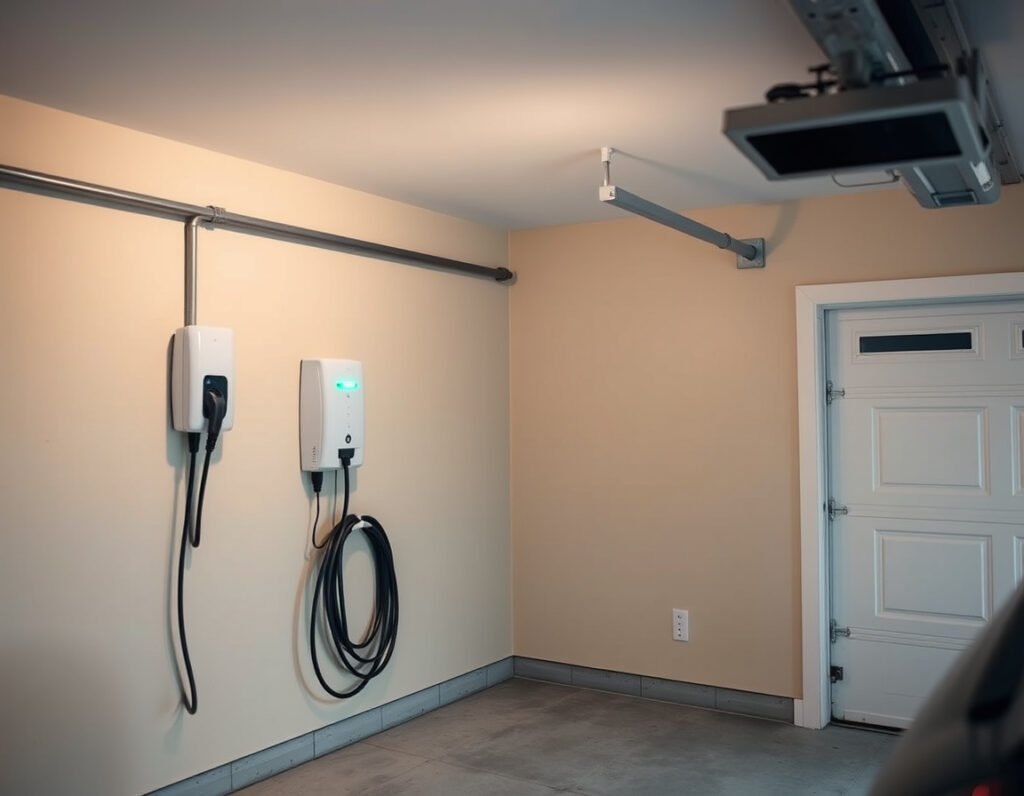
Plenty of homeowners near Cal-Sag Road and the Palos Township area are buying electric vehicles and assuming the charger installation is the main event. The charger is actually the last step. What comes before it matters more.
A Level 2 EV charger typically draws between 32 and 48 amps continuously, which means a dedicated 60-amp circuit minimum. If the home’s main panel is already near capacity, adding that circuit requires either a load calculation and panel upgrade or a subpanel installation in the garage. Many homes in this part of Cook County were built with 150-amp or 200-amp service but have panels filled with double-tapped breakers and added circuits over decades of renovations. The available capacity on paper does not always match the available space in the box.
The conduit run from the panel to the garage also matters. Whether the garage is attached or detached changes the wiring method required under the National Electrical Code. A detached garage along a side drive, common in this neighborhood, may require underground conduit, a separate disconnect, and in some cases a subpanel of its own. Getting the full picture before ordering a charger unit saves homeowners from costly rework. The EV charger installation services in Palos Hills, IL page covers what a proper site assessment looks like.
Preparing Older Homes for Smart Device Density
A single smart speaker or doorbell barely registers on a home’s electrical load. But the homes along Southwest Highway that have gone all-in on automation tell a different story. When you count a smart thermostat, motorized blinds, a whole-home security system with cellular backup, a mesh WiFi network, a home theater with a UPS battery backup, and multiple smart appliances, the always-on draw adds up. That sustained load, spread across circuits that may already be decades old, is where electrical services near me searches come from at 11 PM when something trips and nothing comes back on.
The fix is usually a combination of circuit mapping, identifying circuits that are genuinely overloaded versus those that simply need a breaker replacement, and in some cases pulling new dedicated circuits for high-draw devices. See the wiring upgrades page for a closer look at what this process involves for a typical southwest suburban home.
Why Local Knowledge Matters for Electrical Work in This Area
The southwest suburbs of Chicago are not all the same. Palos Hills sits at the edge of the Palos forest preserve system, which means properties near Kean Avenue and the forest preserve boundary can have unusual service entry configurations, older utility pole setups, and in some cases longer service runs from the street than a typical suburban lot. These details affect how a panel upgrade or new circuit installation is designed. A contractor who works regularly in this area knows to ask about these conditions before writing up a scope of work.
The residential electrical services in Palos Hills, IL offered by area-based contractors reflect this kind of local familiarity. It is the difference between a quote that holds and one that grows by 30% once the crew opens the walls. The electrical contractors who work here regularly also know the local inspection process, which inspectors are stricter on specific code sections, and how to get permits pulled and closed without delays.
The Reed Electrical Services team operates throughout the Palos area and surrounding Cook County communities. For homeowners researching this kind of work, the City of Palos Hills official website is worth checking for permit requirements and local ordinance notes before starting any major residential electrical project. The NFPA 70 National Electrical Code sets the baseline for all of this work at the national level.
Frequently Asked Questions
Do I need a permit for smart panel installation in Palos Hills?
Yes. Replacing or upgrading any main electrical panel in Palos Hills requires a permit from the city and a final inspection by the local electrical inspector. This applies whether you are installing a traditional panel or a newer smart panel product. Your electrician handles the permit application as part of the job, but the homeowner should be aware that utility disconnection coordination adds time to the project schedule.
Can my existing wiring support smart switches and dimmers?
It depends on the wiring method used in your home. Smart switches from most major brands require a neutral wire at the switch location. Homes built before the mid-1980s in this area were commonly wired without neutrals at switches. Some smart switch models are designed to work without a neutral, but they have compatibility limits with certain light fixture types. A quick inspection by a licensed electrician will tell you exactly what you are working with before you spend money on devices that may not function correctly.
How much additional electrical capacity does a fully automated home need?
This varies widely based on what devices are installed, but a home with full lighting automation, a Level 2 EV charger, a home security system, and smart appliances typically needs 200-amp service at minimum. Homes still on 100-amp service will almost certainly need a panel upgrade before the full system can be supported safely. A load calculation performed by a licensed electrician gives you the actual numbers for your specific home rather than a rough estimate.
Ready to Get Your Home Wired for What’s Next
Smart home upgrades and EV-ready electrical systems are not optional extras anymore for many homeowners in this part of the southwest suburbs. They are planned purchases that need planned electrical infrastructure. Reed Electrical Services, LLC. works with homeowners throughout the Palos Hills area to assess existing systems, design the right circuits and panel configurations, and complete the work with proper permits and inspections. If you are planning a smart home project or just want to know what your current system can actually handle, contact Reed Electrical Services to schedule an assessment.