
08 Jul
What Palos Hills Homeowners Should Know About Electrical Permits and Cook County Inspections
Most homeowners in the southwest Chicago suburbs think about electrical work in terms of cost and scheduling. The permit process rarely enters the conversation until a contractor brings it up, or worse, until a home sale falls through because unpermitted work was flagged during a buyer’s inspection. In Palos Hills, any electrical project beyond simple fixture swaps typically requires a permit issued through the Village of Palos Hills Building Department, and the work must pass a Cook County-aligned inspection before it’s considered complete.
Pulling a permit isn’t complicated, but skipping it carries real consequences. If you sell your home along 95th Street or anywhere near the Palos Hills Civic Center, a buyer’s attorney will request permit histories. Unpermitted electrical work can kill a deal, force you to open walls, or trigger costly after-the-fact inspections. Getting it right the first time is simply the smarter path.
How the Permit Process Actually Works Near Palos Hills
For most residential projects, the electrical contractor pulls the permit on your behalf. You don’t need to visit the Village Hall yourself. The contractor submits plans or a scope description, pays the applicable fee (typically ranging from $50 to $200+ depending on project scale in this area), and receives a permit number before work begins. Projects near major corridors like Wolf Road or 104th Avenue follow the same Village permitting process regardless of how close they are to unincorporated Cook County borders.
Once the work is roughed in, an inspector visits to check wire runs, breaker sizing, and code compliance before walls are closed. A final inspection occurs after everything is complete. The whole timeline from permit application to final sign-off runs roughly 2 to 6 weeks for standard residential projects, though more involved jobs can run longer. Choosing a licensed electrician near me who knows the local inspectors and code requirements specific to this part of Illinois makes that process move faster and smoother.
Why Permits Matter More in Older Palos Hills Neighborhoods
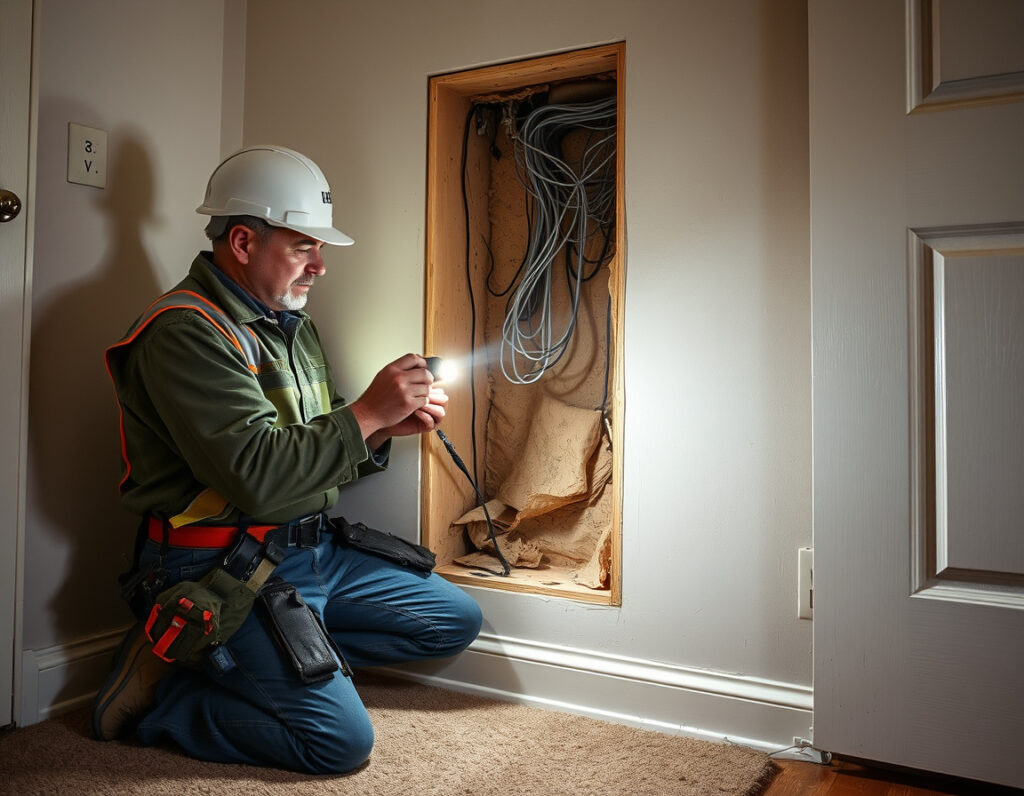
Much of the housing stock in Palos Hills was built in the 1960s and 1970s, when electrical codes looked very different. Homes near Swallow Cliff Woods or tucked into the wooded neighborhoods off McCarthy Road often have original wiring, outdated panels, or circuits that were extended without documentation. When you do permitted work in these homes, the inspection creates a traceable record that says: this portion of the electrical system was brought up to current code on this date.
That record matters for insurance. Several homeowners’ insurance carriers ask about the age and condition of wiring when renewing policies. Documented, permitted upgrades can prevent coverage gaps or premium increases. It’s also worth noting that electrical services that go through the permit process give you a clear paper trail if you ever need to file a claim after a fire or surge event.
What Projects Typically Require a Permit in This Area
Not every job needs one. Swapping a light fixture, replacing a standard outlet, or installing a ceiling fan on an existing circuit usually doesn’t. But these projects almost always do:
- Adding new circuits or subpanels
- Service upgrades or replacing an electrical panel
- Installing a dedicated circuit for an EV charger, hot tub, or large appliance
- New wiring runs in finished or unfinished spaces
- Garage conversions or ADU electrical buildouts
When in doubt, a quick call to the Village of Palos Hills Building Department or your electrical contractor near me will clarify whether your specific project falls under the permit requirement. Good contractors won’t talk you out of pulling permits to save time. That’s a red flag worth knowing.
Homeowners planning work near the Lake Katherine Nature Center corridor or along 107th Street can also review permit history and local code requirements through the Village of Palos Hills official website before committing to a scope of work. For broader code standards, the NFPA 70 National Electrical Code sets the baseline that Illinois and Cook County inspectors reference during approvals.
How Permitted Electrical Work Affects Home Resale Value in the Southwest Suburbs
Real estate agents serving the Palos Hills and Palos Heights markets consistently say that updated, documented electrical systems move homes faster. Buyers doing due diligence on a 1965 ranch near 95th and Wolf Road want to know the panel is current, the wiring isn’t a liability, and the improvements were done legally. Permitted electrical services in Palos Hills show up in public records and give buyers confidence.
Projects that tend to add the most visible value include panel upgrades, wiring upgrades in older homes, and the addition of modern outlet configurations like USB and GFCI types. If you’re planning to list within the next year or two, coordinating electrical improvements with permitted work now avoids scrambling at closing. Learn more about outlet upgrades that buyers notice in the post on new outlets in Palos Hills adding USB and GFCI for modern convenience.
For homeowners weighing whether an electrical panel upgrade makes sense before selling, the breakdown at do you really need a panel upgrade in Palos Hills is worth reading before calling anyone for quotes.
Frequently Asked Questions
Do I need a permit to add an outlet or run a new circuit in Palos Hills?
Adding a new outlet that requires running new wiring or creating a new circuit almost always requires a permit in Palos Hills. Replacing an existing outlet on an already-wired circuit generally does not. If you’re unsure, your electrical contractor can confirm based on the exact scope of work before anything is started.
How long does it take to get an electrical permit approved in the Village of Palos Hills?
For straightforward residential projects, permit approval typically takes a few business days to a couple of weeks. More complex work, like a full service upgrade or a new circuit installation tied to a garage conversion, can take longer depending on current volume at the Building Department. Your contractor should factor permit timelines into the overall project schedule from the start.
What happens if electrical work was done without a permit in my home?
Unpermitted electrical work can cause problems when you sell, refinance, or file an insurance claim. You may need to apply for an after-the-fact permit, which often involves opening walls for inspection. In some cases, non-compliant work must be removed and redone. Getting a licensed electrician to assess the situation first is the right starting point before contacting the Village.
Working With a Local Electrician Who Knows the Process
Permits and inspections exist to protect you, not slow you down. The contractors who fight you on pulling permits are usually protecting themselves, not your home. Reed Electrical Services, LLC. handles the permit application process as part of the job, coordinating directly with the Village of Palos Hills Building Department so you don’t have to manage the paperwork yourself.
Whether your project is a simple circuit addition off 107th Street or a full electrical upgrade in an older home near Swallow Cliff, the process works the same way: permit first, work second, inspection third. That sequence creates a clean record and keeps your home’s electrical system fully documented for whatever comes next.
If you’re ready to start a project or just want to know what’s involved before committing, reach out to Reed Electrical Services, LLC. through the contact page or review the full range of residential electrical services in Palos Hills to see what fits your situation.