
30 Apr
What Palos Hills Homeowners Are Actually Dealing With Electrically
Homes in this corner of Cook County tell a specific story. A lot of the residential properties near S 81st Avenue and the W 95th Street corridor were built in the 1960s and 1970s, and their electrical systems were designed for a fraction of the load modern households put on them. Back then, a 100-amp panel was considered generous. Today, with EV chargers, smart appliances, whole-home audio, and central HVAC running simultaneously, that same panel is running on borrowed time.
The issues that come up most often for homeowners in this area include breakers that trip under normal use, outlets that feel warm to the touch, lights that flicker when the dishwasher runs, and panel boxes that still rely on older fuse-style setups. None of these are quirks to ignore. They are signs that the home’s electrical infrastructure has hit its ceiling.
Residents near Moraine Valley Community College along W 112th Street and further south toward the Palos Hills border with Hickory Hills often have mixed-era wiring, especially in homes that have had additions built on. A room added in 1988 might be on a circuit run with aluminum wiring from the original build. That kind of patchwork creates real safety risk and is something a licensed electrician needs to evaluate in person, not over the phone.
Why Older Panels Create Problems Beyond Tripping Breakers
A panel that trips frequently is annoying. But the deeper problem is what happens when a panel that should trip does not. Older equipment, particularly Federal Pacific and Zinsco panels, have documented failure rates where the breaker doesn’t interrupt the circuit during a fault. That means a wire overheating in your wall without any warning at the breaker box. According to the U.S. Consumer Product Safety Commission, electrical failures account for tens of thousands of home fires annually in the U.S., many tied to aging panel equipment. If your home in this area still has one of these older panels, getting it inspected and replaced is not optional, it is overdue.
If you are thinking about electrical panel upgrade services in Oak Lawn, the same types of aging equipment concerns apply to homes throughout this southwest Cook County corridor. The geography is close, and so are the housing stock similarities.
Specific Electrical Work That Makes a Real Difference in a Home
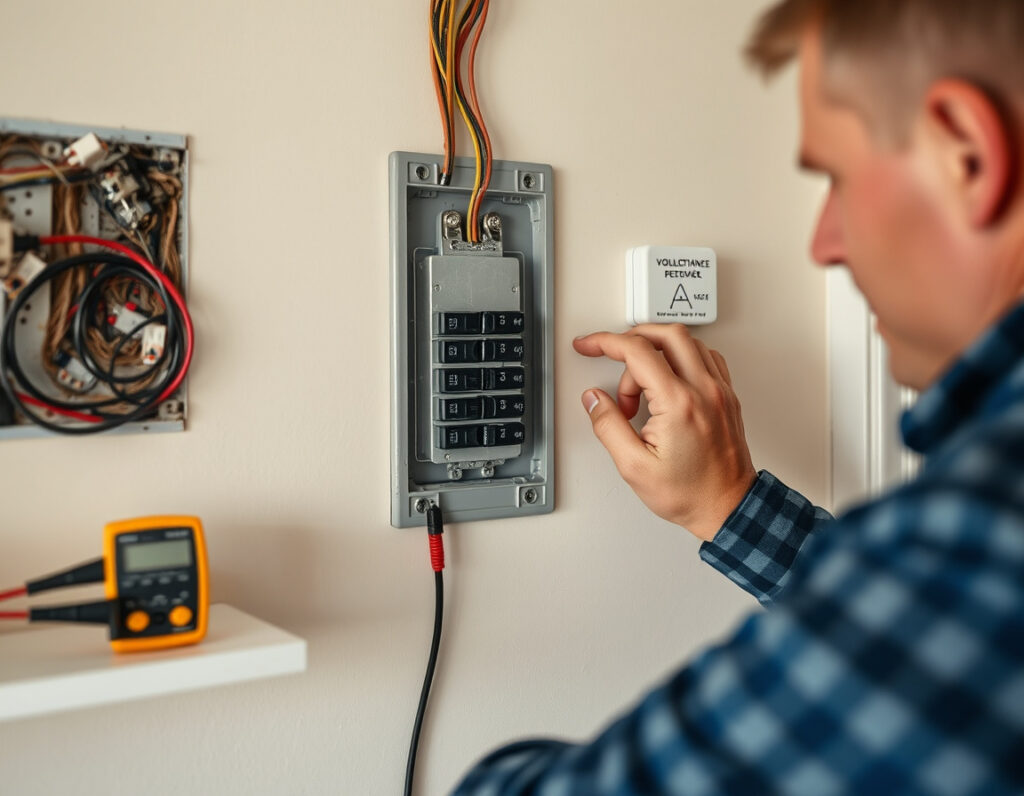
Not every electrical call is a crisis. Many homeowners reach out for upgrades that genuinely improve how a house functions day to day. Below are some of the requests that come up most often in this area, and why each one matters beyond just convenience.
Adding Circuits for EV Charging and High-Draw Appliances
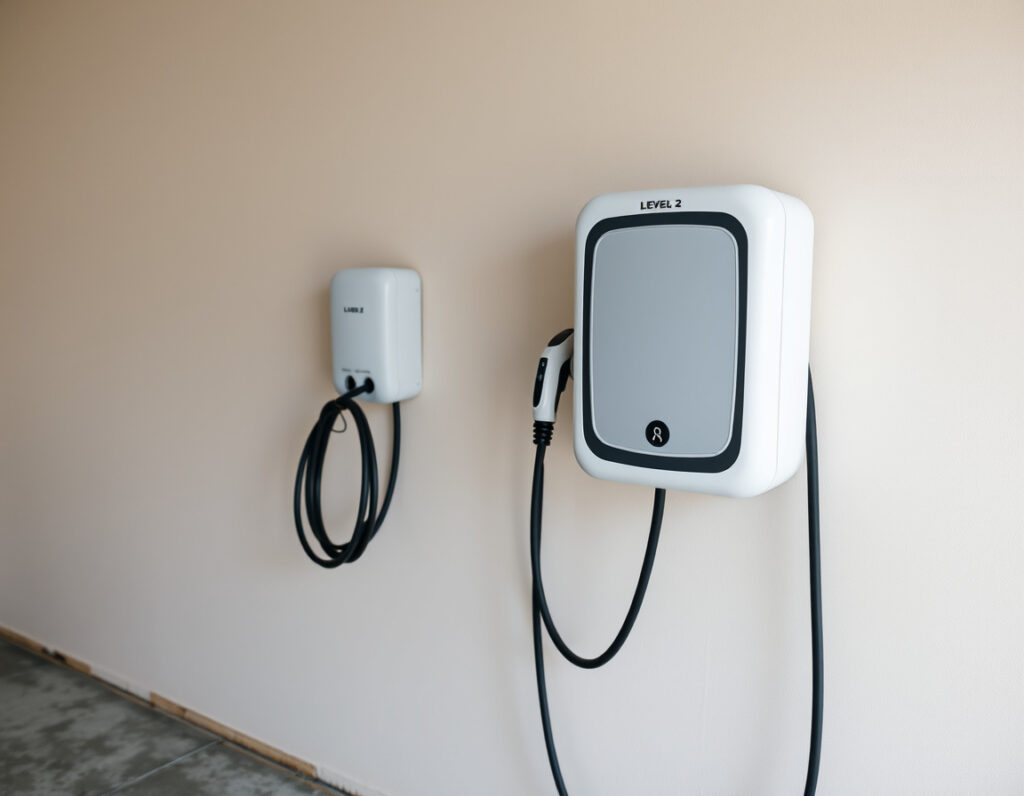
Palos Hills sits close to the I-294 corridor, which means a lot of residents commute into Chicago or loop through Bridgeview and Oak Lawn for work. The shift to electric vehicles is real and accelerating. A standard 120V outlet charges most EVs at roughly 4-5 miles of range per hour, which works fine overnight for short commuters but falls short for anyone driving more than 30 or 40 miles a day. A dedicated Level 2 EV charger on a 240V circuit brings that up to 25-35 miles per hour of charging.
Getting that circuit installed correctly means pulling the right permits, sizing the wire properly for the run from your panel to the garage, and confirming the panel has capacity. Residents who want to explore this can read more about EV charger installation in Palos Hills to understand what the process looks like before scheduling.
Switch, Outlet, and Lighting Work That Often Gets Delayed
There is a list in almost every home of small electrical items that have been sitting undone for months: the outlet near the kitchen island that stopped working after a thunderstorm, the bathroom exhaust fan that hums but doesn’t actually move air, the ceiling fan in the master bedroom that wobbles. These feel minor until you try to sell the house and they show up on an inspection report.
Older homes near Roberts Road and the Palos Hills Township area tend to have fewer outlets per room than modern code requires, which pushes homeowners to over-rely on power strips and extension cords. That habit creates real fire risk. Having a licensed electrical contractor add circuits and outlets where they are actually needed is a straightforward fix that pays off in safety and convenience. You can also see what this service looks like nearby with switch and outlet installation in Palos Hills.
Lighting upgrades are another area where the return on investment is immediate. Swapping old recessed fixtures for LED-compatible housings, adding dimmer switches, or wiring under-cabinet lighting in a kitchen changes how a room feels and functions. If you want to see the scope of what that work involves, the lighting upgrade services in Oak Lawn page covers similar projects in detail.
Getting a Professional Electrical Inspection Before Something Goes Wrong
One of the most underused services in residential electrical work is the inspection. Most homeowners only think about calling an electrician when something fails. But a thorough electrical inspection is the kind of thing that finds problems while they are still manageable, before a wiring fault turns into a fire or a failing panel trips off power to the whole house on a January night.
Homes along the W 95th Street and S 75th Avenue stretch, many of which are split-level ranch styles built in the 1960s, frequently have ungrounded outlets throughout, double-tapped breakers in the panel, and older wiring that was never updated when the kitchen or bathrooms were remodeled. None of these are immediately dangerous in every case, but all of them are code issues that carry real risk over time.
The National Fire Protection Association recommends homeowners have their electrical systems inspected every 10 years, or any time they purchase a home. For homes over 40 years old, more frequent checks make sense. If you have not had one done since moving in, it is worth scheduling. A professional electrical inspection in Palos Hills gives you a clear picture of what is working, what is aging, and what needs attention now versus later.
What a Good Inspection Actually Covers
A real inspection goes beyond glancing at the panel. A thorough electrician checks the condition of visible wiring throughout the home, tests all accessible outlets for proper grounding and polarity, reviews the panel for overcrowding or signs of heat damage, checks GFCI protection in kitchens and bathrooms, and looks for any obvious code violations from previous DIY work or unpermitted additions. The goal is a written report you can actually use, not a vague verbal summary.
Reed Electrical Services, LLC. has built a solid reputation in this part of Cook County, with nearly 65 reviews and a 4.9-star rating, specifically because the work is done right and the findings are communicated clearly. That transparency matters when you are making decisions about your home.
Frequently Asked Questions About Residential Electrical Work in This Area
How do I know if my electrical panel needs to be replaced or just upgraded?
A panel replacement is typically needed when the unit is from a recalled brand like Federal Pacific or Zinsco, when it has physical signs of burning or heat damage, or when it simply cannot support the electrical load of the home even with breakers in good condition. An upgrade or service increase is the right move when the panel itself is in good shape but you need more circuits or higher amperage capacity. A licensed electrician can tell you which situation applies after a hands-on inspection of your equipment.
Can I add an EV charger to my existing panel, or do I need a panel upgrade first?
It depends on how much headroom your current panel has. A Level 2 EV charger typically requires a dedicated 50-amp, 240V circuit. If your panel is already at or near capacity, adding that circuit safely requires an upgrade first. Many homes in this area with original 100-amp service do need the panel upgraded before an EV charger can be added properly. The electrician will check available capacity before recommending a path forward.
What is the difference between a GFCI outlet and a regular outlet, and where are they required?
A GFCI outlet monitors the current flowing through a circuit and shuts off instantly if it detects a ground fault, which happens in milliseconds. Regular outlets do not have this protection. Current electrical code requires GFCI protection in any area where water is nearby: kitchens, bathrooms, garages, exterior outlets, and unfinished basements. Older homes often have standard outlets in these locations, which is a code violation and a safety issue. Replacing them is a straightforward job, but it needs to be done correctly so the protection actually works.
If your home has electrical issues you have been putting off, or you simply want to know where things stand before a problem develops, Reed Electrical Services, LLC. is the local choice worth calling. With a physical address at 9735 S 81st Ave and a strong track record of work throughout Palos Hills and the surrounding southwest suburbs, the team brings real expertise to residential electrical work of all kinds. Reach out to schedule an inspection, a panel evaluation, or any other residential electrical service your home needs.