
03 May
What Commercial Properties in Palos Hills Actually Need From an Electrician
Running a business in the southwest suburbs comes with a specific set of electrical demands that a painter or junk removal crew simply can’t address. The stretch of commercial activity along West 111th Street and near the Palos Hills city center is packed with retail storefronts, medical offices, light industrial spaces, and service businesses — each one drawing significantly more power than a typical house. A breaker tripping during business hours isn’t just an inconvenience. It’s lost revenue, a potential code violation, and sometimes a safety hazard for employees and customers.
This is the gap that a qualified commercial electrical contractor fills. Handymen and general renovation companies can patch drywall and swap fixtures, but commercial wiring, panel capacity, and load balancing require a licensed electrician who understands the National Electrical Code as it applies to occupied business spaces. The businesses operating near Moraine Valley Community College and along Southwest Highway deal with aging infrastructure in many cases — buildings that were wired for far lower electrical loads than what modern HVAC systems, refrigeration units, and point-of-sale equipment demand.
If your business is pulling heavy loads or you’ve recently expanded your equipment, it may be time to look at a panel upgrade that brings your service capacity in line with actual demand. Undersized panels are one of the most common root causes of repeated tripping, flickering lights, and failed inspections in commercial spaces throughout this area.
Load Calculations and Panel Sizing for Business Spaces
A proper commercial electrical services engagement starts with a load calculation, not a guess. An electrician needs to measure what your equipment actually draws, account for demand factors, and then size the panel and subpanels accordingly. This matters especially in multi-tenant buildings near 84th Avenue and 111th Street, where different tenants may be sharing a service entrance that was originally installed decades ago. Getting this wrong means frequent outages, equipment damage from undervoltage, and costly emergency calls at the worst possible times.
Upgrading Wiring and Outlets for Modern Business Operations
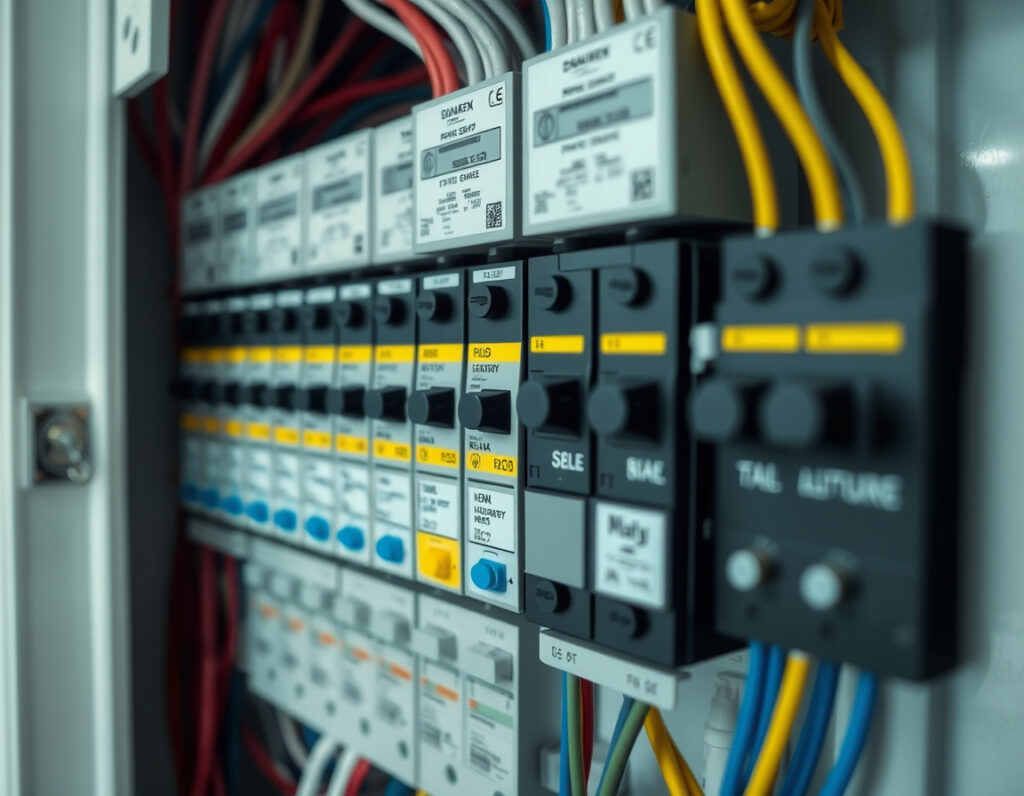
Older commercial buildings in the area — particularly those built before the 1990s — often run aluminum branch circuit wiring, undersized wire gauges, or two-prong outlet configurations that don’t support grounded equipment. That’s a problem for any business running servers, medical devices, or commercial kitchen equipment. The fix isn’t simply swapping out a few outlets. It usually means tracing circuits, identifying where the wiring gauge is inadequate, and replacing or supplementing the existing runs to meet current code.
For businesses adding workstations, expanding a kitchen, or installing new lighting systems, proper switch and outlet installation designed for commercial loads is a baseline requirement. GFCI protection in wet areas, AFCI circuits in specific occupancies, and dedicated circuits for high-draw equipment are all code requirements that matter during an inspection or an insurance claim.
Lighting is another area where commercial operators frequently find outdated systems costing them money. Fluorescent tube fixtures running on aging ballasts draw more power and require more maintenance than modern LED retrofit systems. A commercial lighting upgrade in a comparable South Cook County building has cut monthly utility costs by 30 to 45 percent in documented cases — and the payback period on LED retrofits in commercial spaces is typically under three years.
EV Charging Infrastructure for Business Parking Lots
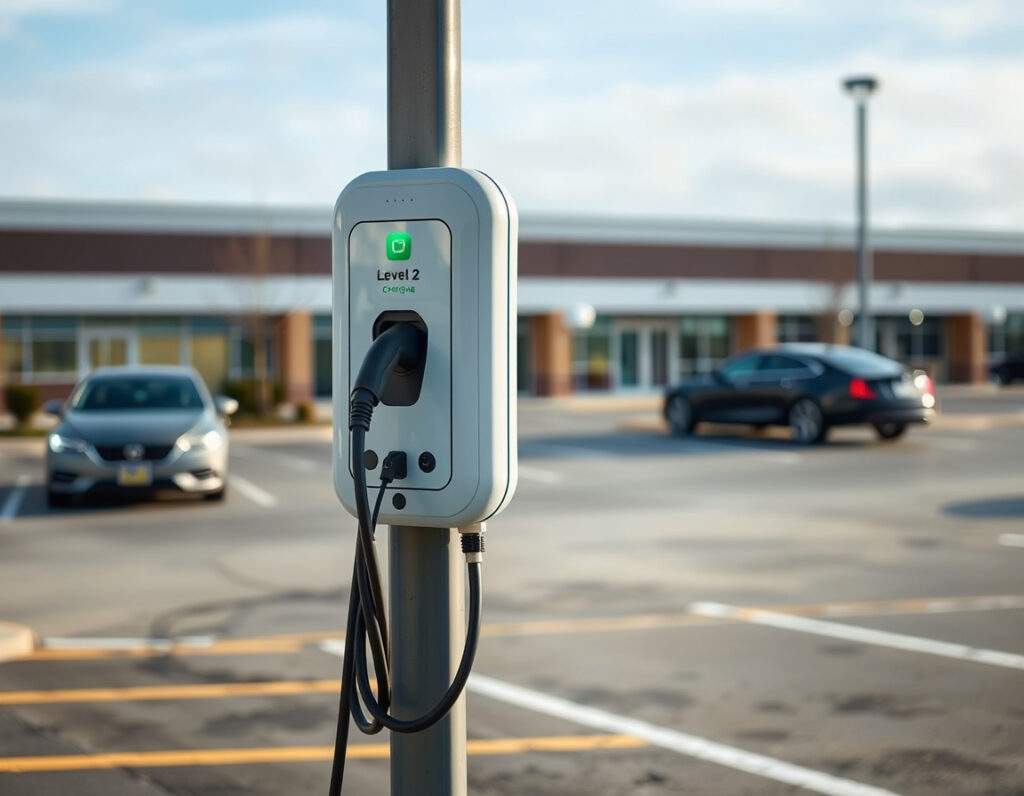
This is a growing priority for commercial property owners near the Palos Hills area. Employees and customers arriving in electric vehicles expect charging access, and municipalities across Illinois are beginning to incorporate EV readiness into local planning discussions. Installing Level 2 EV chargers in a business parking lot is a dedicated commercial electrical project — it requires a separate circuit, correct wire sizing for continuous loads, and often a subpanel addition if the main service can’t absorb the extra draw. If you’re thinking about this for your property, reviewing what’s involved in EV charger installation for the Palos Hills area is a solid starting point before budgeting the project.
Electrical Inspections Before Signing a Commercial Lease or Buying a Property
One of the most overlooked steps in commercial real estate transactions is a dedicated electrical inspection. A general home inspector checking a commercial space will flag obvious issues, but they won’t trace individual circuits, test panel integrity, or identify whether the service amperage matches what a potential tenant’s equipment actually needs. That gap has cost plenty of business owners along the West 103rd Street corridor expensive surprise repairs within months of signing a lease.
A licensed electrician doing a pre-lease or pre-purchase inspection will document the panel condition, identify any wiring that doesn’t meet code, note the service size, and flag any deferred maintenance that the property owner should address before occupancy. This gives you real negotiating leverage and helps you avoid inheriting someone else’s deferred electrical problems. The electrical inspection services available locally cover exactly this kind of due-diligence work for commercial spaces.
Illinois follows the National Electrical Code as adopted and amended by the state. The National Electrical Code published by the NFPA sets the baseline for every commercial installation, and local inspectors in Cook County enforce it during permit reviews. Having documentation from an independent electrician before you’re standing in front of a village inspector is always the better position to be in. For more background on the Palos Hills area and its local government resources, the City of Palos Hills official website lists local ordinance information and permit contacts.
What Happens When a Commercial Panel Fails an Inspection
It’s more common than most property owners expect. A failed commercial electrical inspection typically means a stop-work order or a certificate of occupancy hold — neither of which is acceptable when you have a business launch date or a tenant move-in scheduled. The usual culprits are double-tapped breakers, missing knockout covers, improperly rated breakers for the wire gauge, or a panel brand that’s been flagged for known defects. Fixing these issues quickly requires an electrician who can pull the right permits, do the work to code, and get re-inspected without delays. Reed Electrical Services, LLC. handles exactly this kind of time-sensitive commercial panel work for properties across South Cook County.
Frequently Asked Questions
How is commercial electrical work different from residential electrical work?
Commercial electrical work involves higher voltages, three-phase power systems in many cases, more complex load calculations, and stricter code requirements for wire types and protection methods. Commercial spaces also require separate circuits for specific equipment categories, stronger conduit requirements in exposed areas, and more detailed permit documentation than a standard residential job. A licensed electrician with commercial experience understands these distinctions and knows how to meet code in occupied business environments.
How much does it cost to upgrade an electrical panel in a commercial building near Palos Hills?
Commercial panel upgrades vary widely depending on the existing service size, whether the utility needs to be involved in upgrading the meter or service entrance, and how much subpanel or branch circuit work is needed at the same time. A straightforward 200-amp to 400-amp service upgrade in a small commercial space can run between $3,000 and $6,000 in the Chicago southwest suburbs. Larger services, three-phase systems, or buildings with outdated wiring that needs remediation will cost more. The only way to get an accurate number is a site visit and load assessment from a qualified contractor.
Do I need a permit for commercial electrical work in Palos Hills, IL?
Yes. Any significant electrical work in a commercial space — panel upgrades, new circuits, service changes, EV charger installation — requires a permit from the Village of Palos Hills or the relevant municipality. The permit process involves plan submission, inspection during the work, and a final sign-off before the work is considered code-compliant. Skipping permits creates liability exposure, can void insurance coverage, and becomes a serious problem when you sell or refinance the property. A licensed electrical contractor handles the permit process as part of the job.
Reed Electrical Services, LLC. works with commercial property owners, business tenants, and property managers throughout the Palos Hills area and the surrounding South Cook County communities. Whether you need a panel assessment, a full wiring upgrade, new outlet and lighting circuits, or an EV charging installation for your parking lot, the team at Reed Electrical Services can scope the work, pull the permits, and get it done to code. Contact us to schedule a commercial site visit and find out exactly what your property needs.