
29 May
Why So Many Palos Hills Homeowners Are Replacing Their Electrical Panels Right Now
Drive along 95th Street toward the Palos Hills area and you’ll notice something: a lot of the homes here were built in the 1960s and 1970s. That era produced solid construction, but the electrical infrastructure from that period was never designed to handle a modern household’s load. Two refrigerators, a home office, a couple of EV chargers, and a smart TV setup running simultaneously on a 100-amp panel is a recipe for tripped breakers at best — and a fire hazard at worst.
Replacing an electrical panel isn’t a glamorous upgrade, but it’s one of the most consequential things you can do for your home’s safety and long-term value. Homeowners near the Palos Hills Recreation Center and along Southwest Highway are increasingly calling for panel replacements after their home inspectors flag outdated Zinsco or Federal Pacific equipment. Insurance companies in Cook County have started asking about panel age too, and some are outright refusing to renew policies on homes with certain legacy brands.
The driving question is usually the same: “How do I know if I actually need a new panel or if I just keep resetting breakers?” The answer lives in the details — and that’s exactly what we’ll break down below.
Signs Your Panel Has Reached the End of Its Life
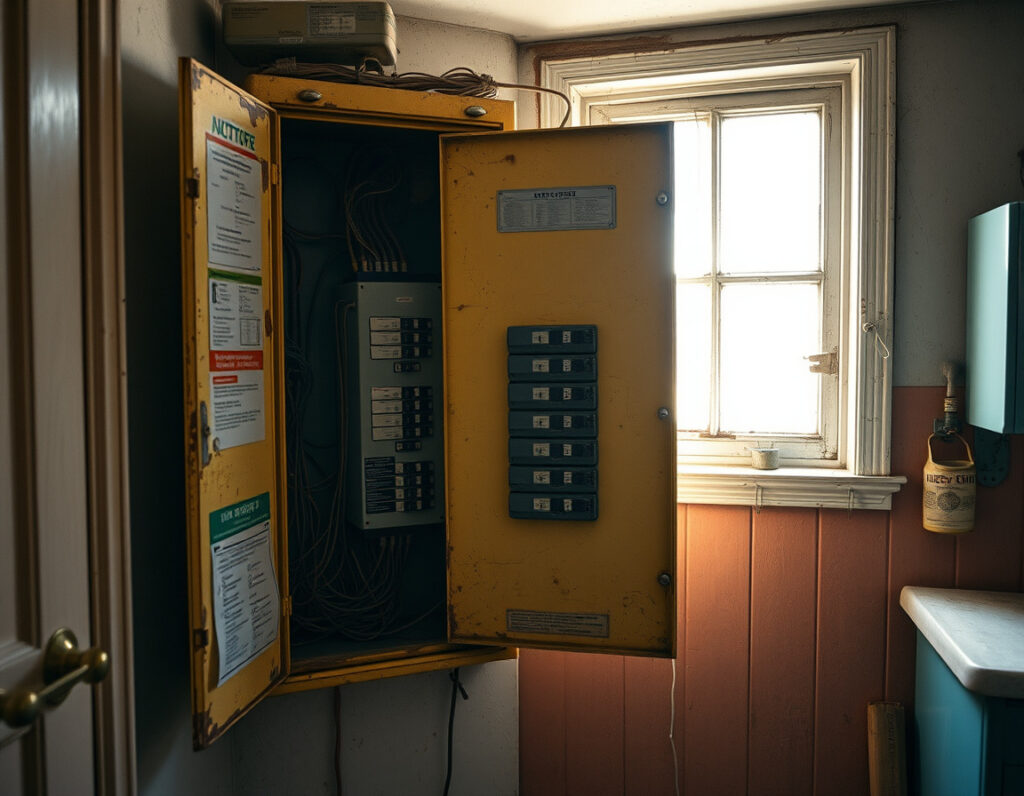
A panel doesn’t send you a retirement notice. Instead, the warning signs show up as inconveniences you’ve probably learned to live with. Breakers that trip every time you run the microwave and the dishwasher together. A panel door that feels warm to the touch. A faint burning smell near the utility room. Lights that flicker when the HVAC kicks on.
These aren’t quirks. They’re signals. Zinsco and Federal Pacific Stab-Lok panels — two brands commonly installed in homes across this part of Cook County — have documented failure rates that the Consumer Product Safety Commission has flagged. Breakers in these panels can fail to trip during an overload, meaning the circuit protection you think you have may not actually function.
If your home predates 1980 and has never had a panel upgrade, scheduling an assessment with a licensed electrician near me in the area is the right first step. A qualified professional can test individual breakers, check for signs of arcing, and tell you definitively whether you’re looking at a repair or a full replacement.
What the Replacement Process Actually Looks Like
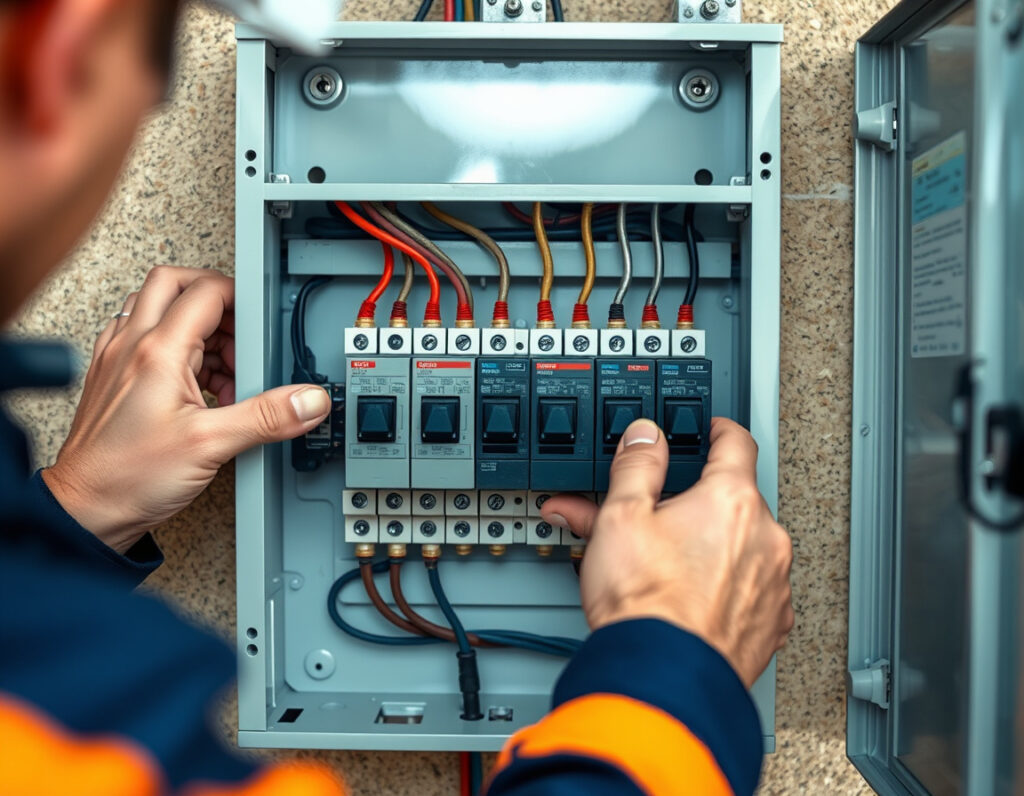
One reason homeowners put off electrical panel replacement is that they assume it means a week without power or walls torn apart. The reality is typically much simpler. For most residential jobs in the area, the process takes one full day — sometimes less.
The job starts with a permit pull. Cook County and the Village of Palos Hills require permits for panel replacements, and any reputable electrical contractor near me will handle that paperwork without being asked. This is important: unpermitted panel work can create serious problems when you sell the home or file an insurance claim. Don’t skip it, and don’t hire someone who suggests you do.
Once permits are in place, the utility company schedules a meter pull — this is the brief service interruption. The old panel comes out, the new one goes in, and every circuit gets labeled clearly. After the work is done, a village inspector signs off. That inspection is your proof the work meets current National Electrical Code standards.
Choosing the Right Panel Size for a Modern Home
The most common upgrade path runs from a 100-amp panel to a 200-amp service. For most single-family homes near Palos Hills Community High School or tucked into the neighborhoods south of Wolf Road, 200 amps handles today’s loads with room to grow. If you’re planning an EV charger installation or a significant addition, your electrician may recommend a 400-amp service or a sub-panel instead.
The panel brand matters too. Reputable manufacturers like Square D, Eaton, and Siemens build panels with arc-fault circuit interrupters (AFCIs) and ground fault protection built in. Newer code requirements in Illinois mandate AFCI protection in living areas, bedrooms, and kitchens — so a panel replacement is often the moment all those protections finally get added together in one shot.
If your home also has older aluminum house wiring feeding the panel, your electrician should note that during the assessment. Aluminum wiring from the 1960s and 70s requires specific connectors and anti-oxidant compounds at every termination point. It doesn’t automatically mean you need to rewire the whole house, but it does change how the panel connections need to be handled. For properties with more widespread wiring concerns, looking into wiring upgrades in the nearby Orland Park area gives you a sense of what that scope of work involves.
How Palos Hills Geography and Older Housing Stock Shape This Service
The area surrounding coordinates near 95th Street and Wolf Road sits in a corridor of Cook County where the housing inventory skews older. Homes in the Tamms, Skyline Estates, and the neighborhoods adjacent to Palos Hills Forest Preserve carry the charm of mid-century construction and the electrical infrastructure challenges that come with it.
Homes in this part of southwest Cook County also deal with strong summer storm activity. The stretch along 107th Street and deeper into Palos Hills sees its share of surge events and power flickers that stress aging equipment. A 200-amp panel with a whole-home surge protector added at the same time gives local homeowners meaningful protection against the kind of voltage spikes that follow utility restoration after a storm.
For homeowners curious about what a full electrical checkup looks like before committing to a panel replacement, electrical inspections in Orland Park outlines the process in detail — and the scope is similar for Palos Hills properties. Similarly, if you’re weighing electrical panel upgrade work done in Burbank, that page covers typical project scope for the same Cook County housing stock.
What Permits and Inspections Mean for Your Home’s Value
Buyers and their agents increasingly ask for documentation of major electrical work during the sale process. A permitted panel replacement, with a final inspection on record, is a selling point. It tells the next owner the work was done by a licensed electrician, pulled to code, and verified by a municipal inspector — not a handyman job that may or may not have been done safely.
The Village of Palos Hills building and inspection department can confirm permit requirements for your specific address. Different municipalities in the area have slightly different processes, and a good electrical contractor will already know the local requirements before they arrive on your property.
Frequently Asked Questions About Panel Replacement in the Area
How long does an electrical panel replacement take?
Most residential panel replacements in the Palos Hills area are completed in a single day. The utility company pulls the meter in the morning, the old panel comes out and the new one goes in, circuits get reconnected and labeled, and power is restored the same day. The municipal inspection typically happens within a few days of the work being completed. Larger projects — like upgrading from 100-amp to 400-amp service or adding a sub-panel — may require additional scheduling with the utility and could extend the timeline slightly.
Do I need to be home during the panel replacement?
It’s a good idea to be home for at least the start and end of the job. At the beginning, the electrician will walk through the scope of work and confirm the panel location, meter location, and any specific circuit requests. At the end, you’ll want to confirm power is restored to all areas of the home and that the new panel is properly labeled. You don’t need to supervise the work in between, but being available for questions during the day helps everything move smoothly.
What’s the difference between a panel replacement and a panel upgrade?
The terms get used interchangeably, but there’s a practical distinction. A panel replacement swaps an old or failing panel for a new one of the same amperage — same service capacity, new equipment. A panel upgrade replaces the panel and increases amperage, typically from 100 amps to 200 amps, which also involves new service entrance conductors and coordination with the utility. Most homeowners doing a replacement in this era of high electrical demand opt for the upgrade at the same time, since the labor cost difference is relatively small and the capacity benefit is significant.
If your home near Palos Hills is showing the warning signs of an aging panel — frequent trips, warm equipment, or an insurance flag — Reed Electrical Services, LLC. is ready to assess the situation and give you a clear picture of what the work involves. Reed Electrical Services, LLC. serves residential and commercial properties across this part of Cook County, and every job is pulled with proper permits and inspected to code. Contact the team to schedule an on-site evaluation and get a straight answer on whether replacement is the right call for your home.