
15 May
Why Palos Hills Homeowners Are Paying Too Much on Their Electric Bills
A spike in your monthly electric bill is one of those problems that’s easy to notice and hard to explain. You haven’t added new appliances, the weather hasn’t changed dramatically, but the number keeps climbing. For residents near Wolf Road and 111th Street or along the busy stretch of Southwest Highway, this is a more common call than most people expect. And more often than not, there’s a wiring or electrical system issue quietly driving that extra cost.
Older homes in this part of southwest Cook County were built during an era when household electrical demand was a fraction of what it is today. A single circuit handled a living room. A kitchen ran on two. Today, those same circuits are pushing refrigerators, microwaves, smart displays, dishwashers, and EV chargers. When the system can’t keep up, it works harder, draws more power inefficiently, and your bill reflects that strain.
Common culprits behind unexplained bill increases include faulty wiring connections that create resistance and heat loss, outdated electrical panels that can’t distribute load cleanly, and aging outlets with worn contacts that waste energy every time a device is plugged in. None of these are visible without a licensed professional taking a closer look inside the walls and panel box.
The Role of Your Electrical Panel in Energy Efficiency
Most homeowners think of the panel as just a breaker box, but it’s actually the distribution hub for everything running in your home. A panel that’s undersized, aging, or simply not matched to your current load will run less efficiently. Replacing an electrical panel isn’t cheap, but the math often works out when you factor in the wasted energy over months or years. The electrical panel upgrade process involves assessing your current amperage, the number of circuits, and whether the equipment meets current Illinois code standards.
Homes near Moraine Valley Community College or tucked into the neighborhoods off 95th Street are frequently in the 100-amp service range, which made sense in the 1970s. Today, many households genuinely need 200 amps to run without strain. A commercial and residential electrician can conduct a proper load calculation and tell you whether your panel is the bottleneck.
Wiring Problems That Quietly Drain Power
Loose wire nuts, degraded insulation, and connections that have oxidized over decades all create resistance in a circuit. Resistance equals heat, and heat equals wasted electricity. In a practical sense, a single bad connection in a lighting circuit might be adding dollars to your bill every month, invisibly. House wiring electrical issues like these are almost impossible to self-diagnose without pulling covers and using a clamp meter.
If your home was built before 1985, there’s a real chance some of the wiring was done with aluminum conductors, which expand and contract at a different rate than copper. That movement loosens connections over time. The wiring upgrade work needed to address aluminum wiring goes beyond cosmetic fixes and typically requires a licensed electrician to properly remediate connections at every device and outlet.
What a Proper Electrical Diagnosis Actually Looks Like
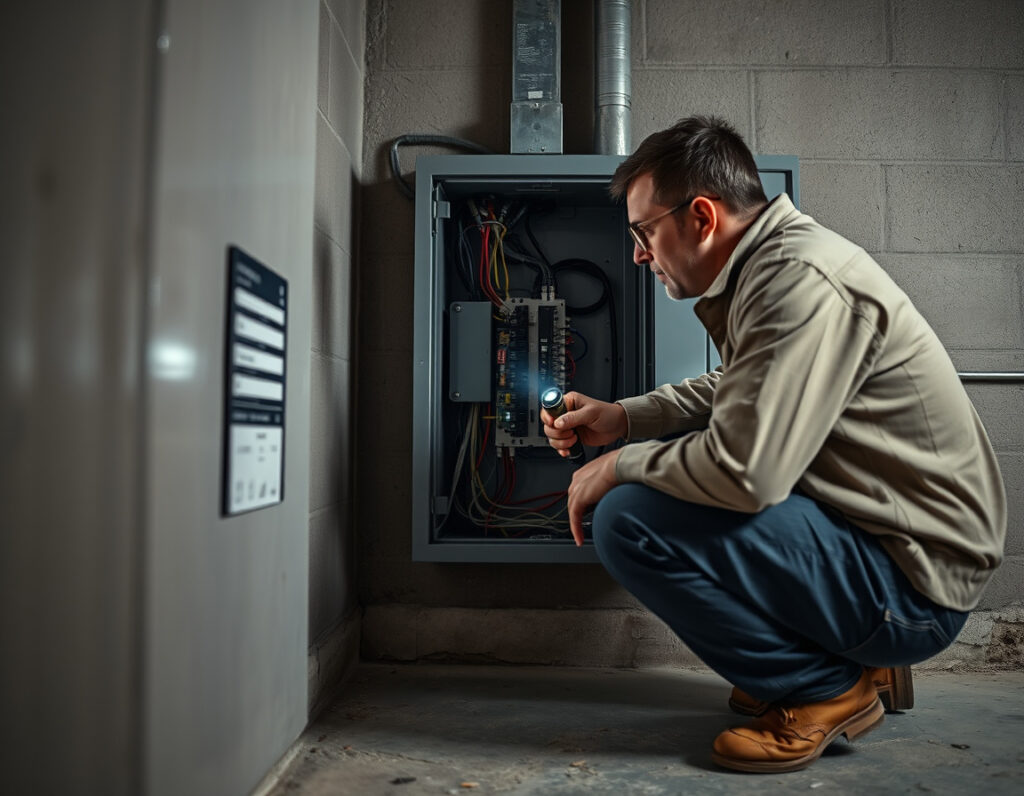
Calling a general handyman for an electrical bill problem is like calling a plumber about a roof leak. The diagnostic process for electrical issues requires equipment, training, and a license. A qualified electrical contractor will start with your utility data, not just your bill total, but your usage history measured in kilowatt-hours. Usage trends tell a much more specific story than a dollar amount, which fluctuates with rate changes.
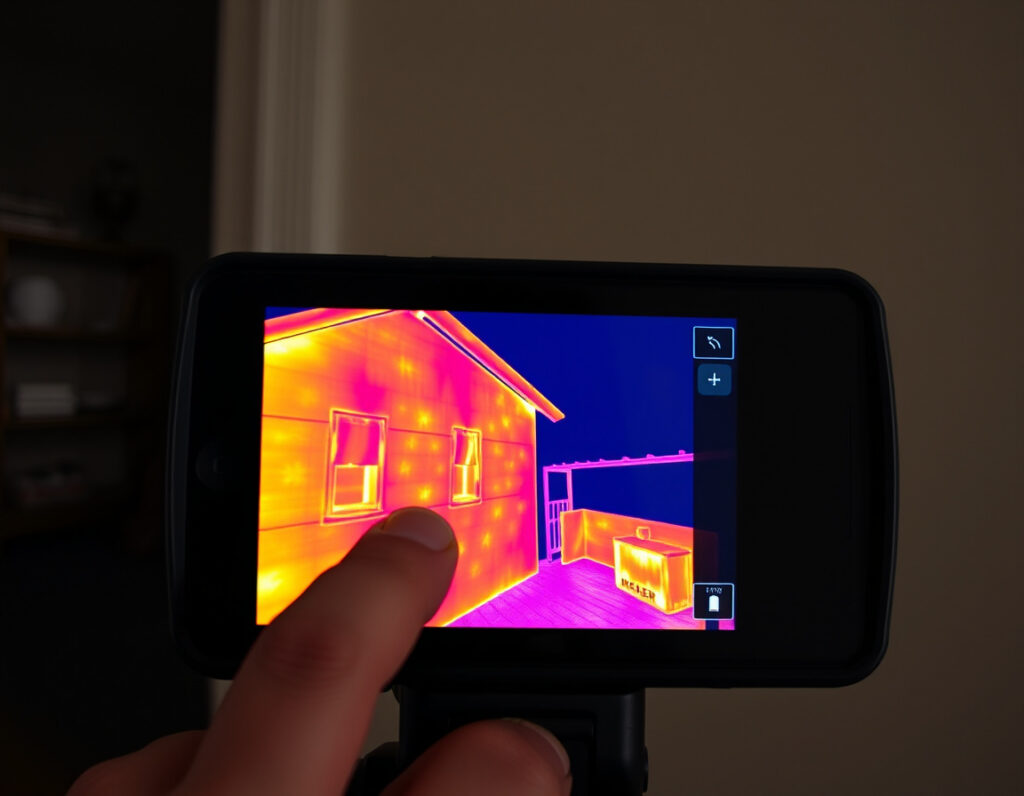
From there, the inspection moves to the panel, then through circuits room by room. A thermal imaging scan can reveal hot spots behind walls that indicate resistance or arcing without any demolition. The electrical inspection process for this kind of diagnostic work is methodical and takes time, but it’s the only reliable way to separate a billing rate issue from a genuine electrical problem inside your home.
The Palos Hills area sits within a part of Cook County that has a mix of housing stock ranging from post-war ranch homes to newer construction near 107th Avenue. Each era of construction brings its own set of electrical characteristics, and a diagnosis approach that works for a 1960s ranch won’t apply to a 1995 two-story. That’s why experience with both commercial and residential electrician work across different construction types matters when diagnosing something as nuanced as a chronic high-bill problem.
Appliances vs. Infrastructure: Knowing the Difference
Sometimes the bill spike really is just an appliance. An old electric water heater running 24/7, a chest freezer with a failing compressor, or a space heater someone forgot to unplug in a back bedroom. A good electrician won’t ignore these possibilities. Part of a solid diagnosis is ruling them out with a circuit-by-circuit amperage check so you know exactly where power is going.
But when those checks come back clean and usage is still high, the focus shifts to infrastructure. That means inspecting switch and outlet installation quality at every device, checking for double-tapped breakers in the panel, and verifying that GFCI and AFCI protection is where it should be under current Illinois code. Homeowners near the intersection of 111th and Harlem Avenue often discover their older homes were never updated to include arc-fault protection, which is now required for most living spaces.
If lighting is part of the issue, older incandescent or halogen fixtures draw significantly more power than their LED replacements. A proper lighting upgrade can cut lighting-related energy use by 60 to 70 percent in older homes. That’s a measurable number, not an estimate.
Local Code, Permits, and Why They Matter for Your Bill and Your Safety
Palos Hills follows the Illinois Electrical Act and local ordinances that govern how electrical services work must be performed and permitted. This isn’t just bureaucratic overhead. Permitted work gets inspected by the municipality, which means a second set of eyes verifying that what was done is actually correct. Unpermitted electrical work, even if it looks fine, can affect your homeowner’s insurance coverage and complicate a home sale down the road.
The City of Palos Hills has specific permit requirements for panel replacements, service upgrades, and new circuit installations. Working with a licensed electrician near me who pulls permits as a standard part of the job protects you from liability and ensures the work meets the version of the code that was current at the time of the project.
The National Electrical Code, which Illinois adopts on a cycle, is published and updated by the National Fire Protection Association and forms the basis for most of the safety requirements a licensed contractor must follow. When an electrician tells you something needs to be upgraded to code, this is the document they’re referencing. It’s worth understanding what that means rather than treating it as a sales pitch.
What Reed Electrical Services Brings to This Specific Work
Reed Electrical Services, LLC. handles both residential and light commercial work across the southwest suburbs, which means the team has seen the full range of electrical conditions that show up in this part of Cook County. From ranch homes near Palos Hills Road that haven’t had their panels touched since the Carter administration, to newer commercial strip spaces off 95th that need load balancing after a tenant change, the diagnostic experience covers a wide spectrum.
If you’ve been staring at a high electric bill for more than two months and swapped out appliances without seeing improvement, the problem is almost certainly in the wiring or panel. A proper diagnosis from a residential electrical services professional is the fastest path to an answer. Reed Electrical Services, LLC. can schedule an inspection, walk through the findings with you in plain language, and give you options that fit the actual scope of the problem rather than a one-size fix. Check the switch and outlet installation services page if you’re also noticing warm outlets or sparking when plugging in devices, as those symptoms often accompany the same underlying issues.
Frequently Asked Questions
Can a wiring problem actually cause my electric bill to go up noticeably?
Yes, and it happens more often than most people expect. Loose or corroded connections create electrical resistance, which wastes energy as heat rather than doing useful work. Over a full billing cycle, this extra resistance can add a meaningful amount to your usage. Faulty wiring doesn’t always trip a breaker or cause visible symptoms, so high bills are sometimes the only early warning sign.
How do I know if my electrical panel is the source of the problem versus the wiring in the walls?
A licensed electrician will typically start with the panel, checking for double-tapped breakers, signs of heat damage, and whether the service amperage matches the actual load on the home. If the panel looks sound, the inspection moves circuit by circuit through the home. Thermal imaging is particularly useful for identifying hot spots inside walls without opening them up. You generally can’t make this determination yourself without professional diagnostic tools.
Do I need a permit to have my electrical panel replaced in Palos Hills?
Yes. Panel replacements and service upgrades require a permit through the City of Palos Hills, and the completed work must pass a municipal inspection. Any licensed electrical contractor operating properly in this area will pull that permit as part of the job. If a contractor offers to skip the permit to save you money, that’s a significant red flag, both for the quality of the work and for your homeowner’s insurance coverage.