
16 Jul
Why Replacing an Electrical Panel Is Different From Other Home Projects
Most home improvement jobs follow a straightforward path: pick a contractor, schedule the work, get it done. Replacing an electrical panel doesn’t work that way. It touches your home’s entire electrical system, requires a permit pulled through the Village of Palos Hills, and has to pass inspection before the cover goes back on. That’s not a bureaucratic hurdle — it’s how you confirm the work was done correctly.
Homes along 107th Street and Southwest Highway in this area tend to run older stock. Many were built in the 1960s and 1970s with 100-amp service panels that were adequate then but fall short of what modern households demand. A single kitchen with a refrigerator, dishwasher, microwave, and a few countertop appliances can push a 100-amp panel close to its limit before you account for HVAC, a home office, or an EV charger.
What residents near Palos Hills City Hall on 95th Street often discover is that their panel issues aren’t just about capacity. Federal Pacific and Zinsco panels — common brands installed during that era — have a documented history of breaker failures. A breaker that doesn’t trip during an overload isn’t just inconvenient; it’s a fire risk. If your panel is one of those brands, the conversation shifts from “upgrade” to “replace as soon as possible.”
What the Permit Process Looks Like in Cook County
Cook County electrical work follows the National Electrical Code (NEC) with local amendments adopted by the Village of Palos Hills. When you pull a permit for a panel replacement, an inspector from the village will come out after the work is complete to verify wire sizing, grounding, bonding, breaker ratings, and clearances around the panel. This is a good thing. It means a second set of qualified eyes confirms the job meets code before you live with it for the next 30 years.
If you’re working with a licensed electrician near me search result that skips the permit conversation entirely, that’s a red flag. Unpermitted electrical work can void your homeowner’s insurance coverage and create real problems when you sell the property. Buyers’ home inspectors flag unpermitted panels immediately.
Matching Your New Panel to What Your Home Actually Needs
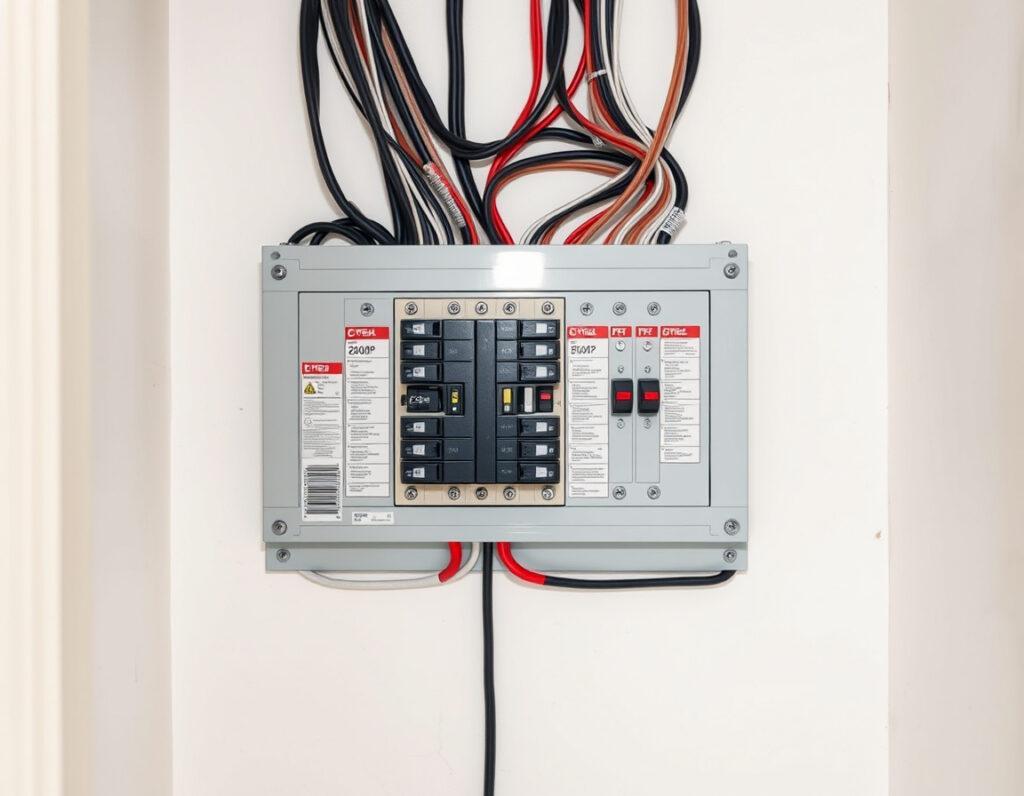
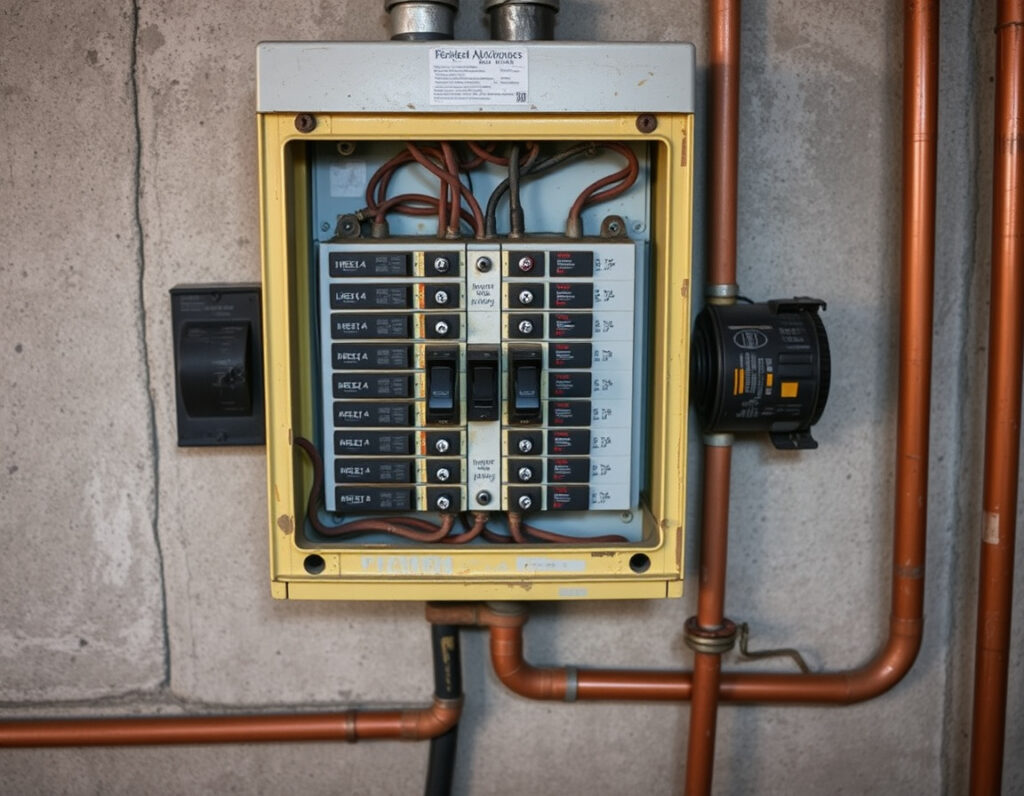
The jump from 100-amp to 200-amp service is the most common upgrade, and it covers the needs of most single-family homes in the area. But the panel amperage is only part of the story. The number of circuits, the breaker types required (AFCI in bedrooms, GFCI in kitchens and bathrooms), and whether the panel has room to grow all matter just as much.
Homeowners near Palos Hills Athletic Park on 83rd Avenue who are planning kitchen remodels, finishing a basement, or adding a detached garage frequently find that their old panel doesn’t have open slots for the new circuits those projects require. A 200-amp panel with 40 or more circuit spaces gives you room to expand without needing another panel replacement five years down the road. Think of it as future-proofing the infrastructure of the house.
For anyone considering EV charger installation, a panel assessment comes first. A Level 2 charger typically draws 40-50 amps on a dedicated circuit. If your current panel is already running near capacity, adding that load without an upgrade isn’t safe. It’s also worth knowing that some utility rebates for EV charging equipment require documentation of the panel capacity — another reason to get the work done right and permitted.
Subpanel Options When Your Main Panel Is Too Far Away
Detached garages and workshops are common in the neighborhoods around Wolf Road near 95th Street. Running a subpanel to a detached structure is often more practical than running individual circuits for every outlet, light, and tool you want to power out there. A subpanel fed from the main panel in the house handles the load locally and keeps voltage drop from becoming an issue over longer wire runs. It’s a clean solution for anyone building out a garage workspace or adding outdoor lighting circuits. You can explore the full range of options through electrical panel upgrade services to find what fits your specific setup.
Signs Your Current Panel Needs More Than a Breaker Reset
There’s a difference between a tripped breaker and a panel that has run out of useful life. Warm or discolored panel covers, a burning smell near the electrical box, breakers that trip repeatedly under normal loads, or a panel that’s physically rusted are all signs the equipment itself needs to go. These aren’t maintenance issues — they indicate the panel has degraded to a point where it can’t safely do its job.
Older house wiring electrical conditions matter here too. A panel replacement paired with outdated aluminum branch circuit wiring or cloth-wrapped knob-and-tube wiring creates a mismatch. The new panel can handle the load, but the wiring feeding your outlets and lights may not. A thorough electrical inspection before the panel job helps identify whether wiring upgrades need to happen at the same time, so you’re not tearing walls open twice.
The National Fire Protection Association electrical safety resources are worth reviewing if you want to understand the fire statistics behind outdated electrical equipment — the numbers make a compelling case for acting before something fails. And if you want to understand local regulations specific to this area, the Illinois code adoption information explains how the state adopts and amends the NEC for local jurisdictions like Cook County.
How Long Does a Panel Replacement Actually Take?
Most residential panel replacements are completed in a single day. The power to the home is shut off at the meter, the old panel is removed, the new one is installed and wired, and then power is restored. The inspection typically happens within a few business days after the work is completed. Some homeowners are surprised by how little disruption it causes given how significant the upgrade is. Plan for a full day without power and you’ll likely be back online before dinner.
Frequently Asked Questions
How do I know if I need a full panel replacement or just a repair?
If your panel is more than 25-30 years old, made by Federal Pacific or Zinsco, physically damaged, or consistently unable to handle your home’s load, replacement is almost always the right call. Repairs make sense for isolated issues like a single failed breaker in an otherwise sound panel. A licensed electrician can assess the equipment and give you a straight answer after looking at it in person.
Does replacing an electrical panel increase home value?
Yes, in a practical sense. A new panel removes a common inspection red flag that causes buyers to negotiate price reductions or request repairs before closing. Homes with updated 200-amp service are also more attractive to buyers who plan to install EV chargers, home offices, or whole-home generators. It’s an upgrade that pays back through smoother sales transactions more than through appraised value increases.
What’s the difference between a panel upgrade and a service upgrade?
A panel upgrade replaces the breaker box inside your home. A service upgrade involves the wiring and equipment from the utility connection at the street or alley all the way into your panel, including the meter base and service entrance conductors. Sometimes you need both. If the utility company’s equipment feeding your home is also undersized, replacing only the interior panel won’t solve the capacity problem. Your electrician coordinates with ComEd when a full service upgrade is needed.
Reed Electrical Services, LLC. handles panel replacements for homeowners throughout the Palos Hills area, from permit application through final inspection. If your panel is showing its age or you’re planning a renovation that will add significant electrical load, reach out through the contact page or check the full list of electrical services available to see what fits your situation. Getting a licensed set of eyes on your panel costs nothing and gives you real information to make a decision with.