
20 Jun
Why Does My Electrical Outlet Spark When I Plug Something In?
A brief, tiny spark when plugging in a device is usually normal. The moment you insert a plug, the appliance draws a quick burst of current, and that tiny arc of electricity is simply the circuit responding to the load. What you should worry about is a large, loud, or recurring spark — those are signs of a wiring problem that needs attention fast.
What Separates a Normal Spark from a Dangerous One
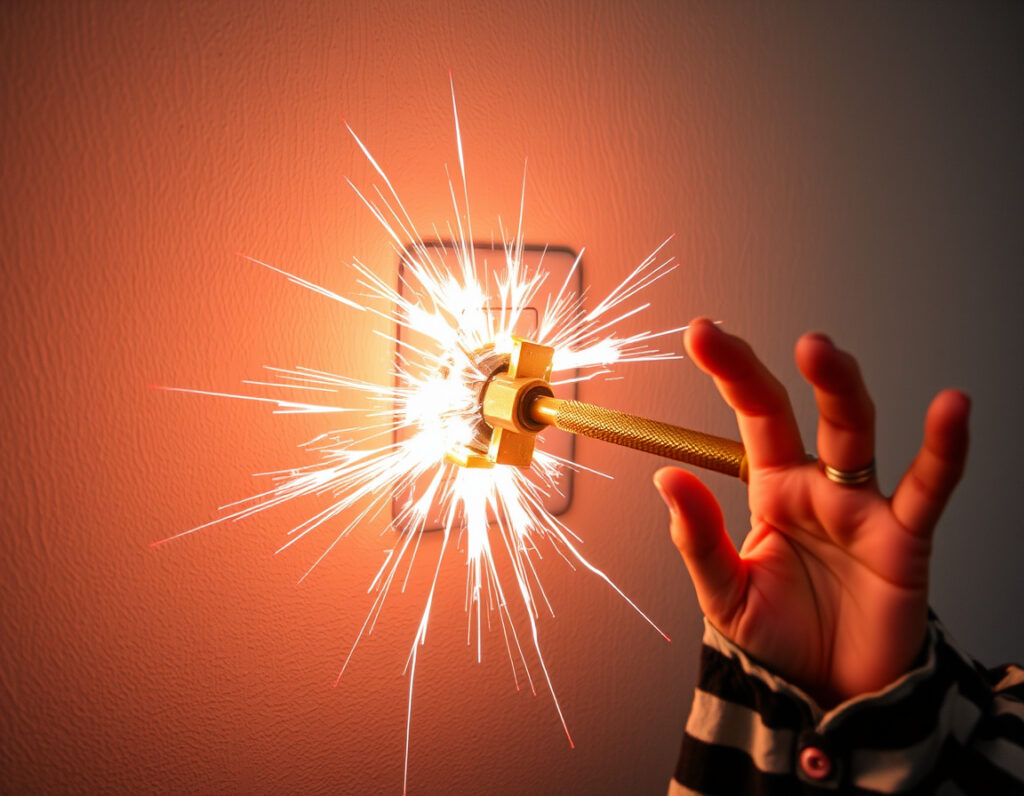
Most homeowners see a small blue-white flash at an outlet and assume the worst. That snap you notice when plugging in a lamp or phone charger lasts a fraction of a second and leaves no marks. It happens because electricity moves faster than the physical connection is made.
A dangerous outlet spark looks and sounds different. Watch for these warning signs:
- The spark is yellow or white and visibly large
- It happens every single time, even with small devices
- You smell something burning or see scorch marks around the outlet
- The outlet feels warm or the circuit breaker trips shortly after
If any of those describe what you’re seeing, stop using that outlet. Repeated arcing inside the outlet or behind the wall can ignite surrounding insulation or wood framing. That’s not a gradual problem — house fires traced to faulty outlets can escalate within minutes.
Loose Wiring Is the Most Common Cause
Over years of use, the wire connections inside an outlet loosen. When a connection is slightly separated, electricity has to jump a small gap instead of flowing through solid contact. That jumping is an arc, and arcing generates heat. Loose wiring at outlets is one of the leading causes of residential electrical fires in the U.S., according to the U.S. Consumer Product Safety Commission.
Outlets in older homes are especially prone to this. The contacts inside wear out, the screws back off, and backstab wiring — where the wire is simply pushed into a hole rather than wrapped around a screw — can pull free over time. If your home is more than 20 years old and the outlets have never been replaced, that’s worth noting.
Short Circuits and Overloaded Outlets
A short circuit inside an appliance’s plug can also cause a dramatic spark at the outlet. If the device itself is the problem, you’ll notice the same large spark with that specific item no matter which outlet you use. Try a different device in the same outlet. If the big spark only happens with one appliance, the outlet may be fine and the device is the issue.
Overloading also plays a role. Plugging a high-draw appliance like a space heater or vacuum into a circuit that’s already carrying other loads can cause a more forceful arc at the moment of connection. This doesn’t always mean something is broken, but it does mean the circuit is being pushed hard. Our post on switch and outlet installation in Palos Hills goes into more detail on matching outlets to the right circuits for heavy loads.
When to Call an Electrician vs. Wait and Watch
Small, infrequent sparks on a rarely used outlet? Keep an eye on it. Large sparks, burn marks, a warm faceplate, or a tripping breaker? Call someone that day. These aren’t situations where waiting makes sense.
A licensed electrician will open the outlet box, check the wire connections, test for loose or damaged wiring, and confirm the outlet is properly grounded. In some cases, the outlet itself just needs replacement — a straightforward fix that takes under an hour. In others, the issue is further back in the wall or at the panel, which requires a more thorough look.
Homes in the southwest suburbs, including the Palos Hills area, tend to have a mix of housing stock from the 1960s through the 1990s. A lot of that wiring is aging. If you haven’t had an electrical inspection done in the past several years, a sparking outlet is a good prompt to schedule one. Catching worn connections early is much cheaper than dealing with the damage from a fire or a failed circuit.
For more answers to common electrical questions, visit our electrical services blog. The Village of Palos Hills also maintains local permit and safety resources if you need to verify inspection requirements in the area.
Related Questions
Is it safe to keep using an outlet that sparked once but seems fine now?
One small spark that hasn’t repeated and left no marks is usually not a reason to stop using the outlet, but you should test it with a few different devices and check for warmth around the faceplate. If anything seems off — heat, discoloration, or a burning smell even days later — have it inspected before using it again.
Can a sparking outlet damage the appliance I was plugging in?
A normal connection spark won’t harm your device. A large arc from a faulty outlet can send a voltage spike into the appliance at the moment of connection, which can damage sensitive electronics like TVs, computers, or smart home devices. If you have concerns about surge damage to your equipment, a whole home surge protection system adds a layer of defense between your panel and every outlet in the house.