
02 Aug
What Palos Hills Homeowners Should Know Before a Kitchen or Bathroom Remodel
A kitchen or bathroom remodel is one of the biggest investments a homeowner makes. New cabinets, tile, and fixtures get all the attention, but the wiring behind the walls is what makes the whole project legal, safe, and ready for a final inspection. In Palos Hills, homes along the 95th Street corridor and tucked into the neighborhoods just south of Wolf Road were built mostly between the 1950s and 1980s. That age range means outdated wiring configurations, undersized circuits, and electrical layouts that simply were not designed for modern appliances.
Cook County requires permits for most electrical work tied to a remodel. Skipping that step does not just risk a fine. It creates real problems when you sell the home, because any unpermitted work shows up during the buyer’s inspection and can delay or kill a closing. Getting the electrical side handled correctly the first time, by a licensed electrician, protects both your investment and your timeline.
Circuits and Load Requirements for Modern Kitchens
A typical kitchen remodel triggers significant electrical work. The National Electrical Code requires at least two dedicated 20-amp small appliance circuits for countertop receptacles, a dedicated circuit for the refrigerator, and separate dedicated circuits for the dishwasher, microwave, and garbage disposal. If you are adding an electric range or a double oven, that is a 240-volt, 50-amp circuit on top of everything else. Many older homes near 107th Street and Ridgeland Avenue simply do not have that capacity in the existing panel without an upgrade.
If your panel is already showing signs of strain or is more than 25 years old, a remodel is often the right time to address both issues together. You can read more about the decision-making process in this guide on whether you really need a panel upgrade in Palos Hills.
Bathroom Remodels and the Electrical Code Details That Trip People Up
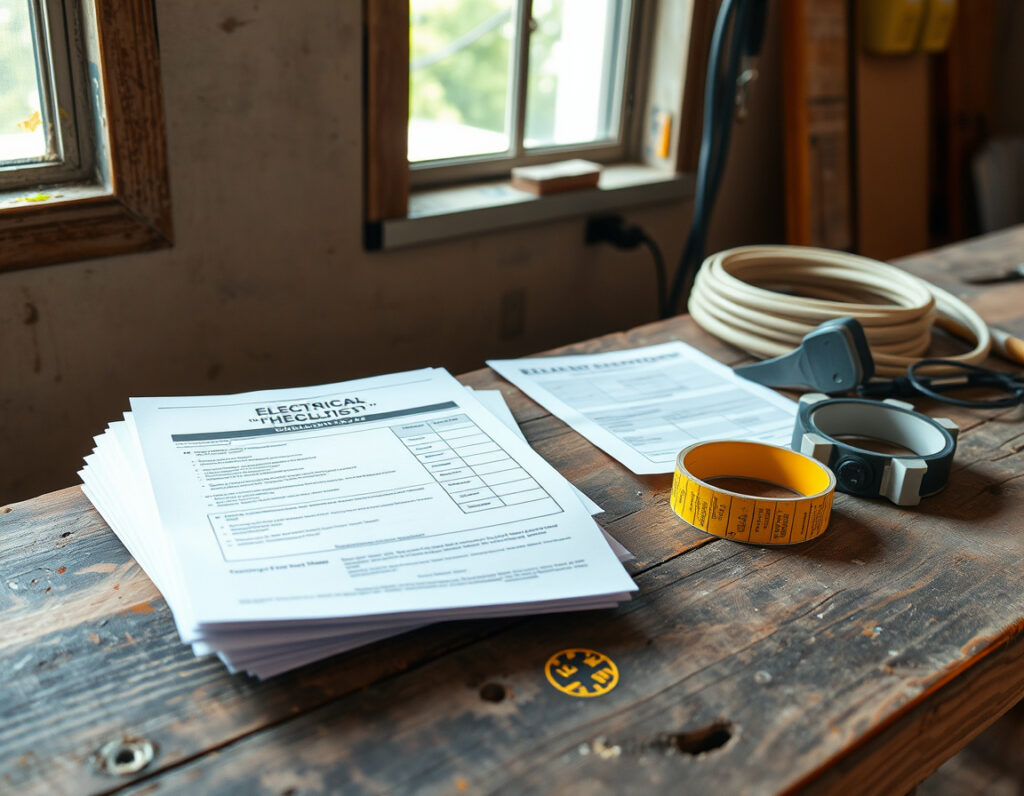
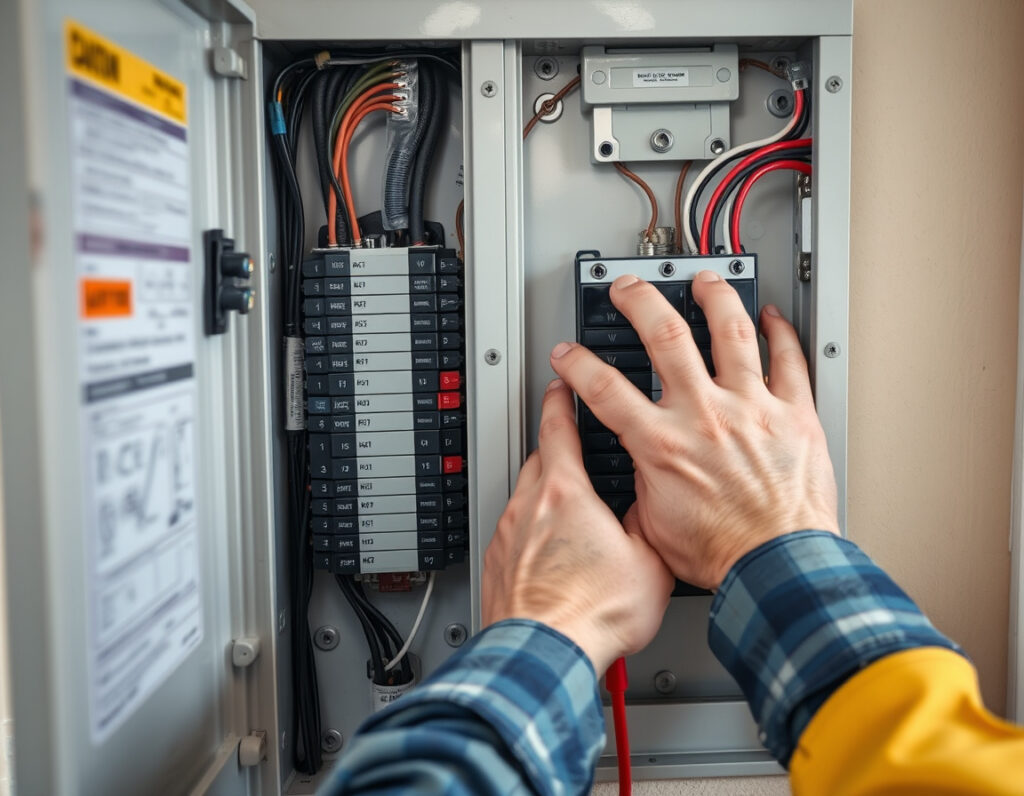
Bathrooms have some of the strictest electrical requirements of any room in the house, and that is for good reason. Water and electricity in close proximity demand very specific protections. Any receptacle within six feet of a sink requires GFCI protection. Exhaust fans, lighting fixtures, and heated floor systems each need their own circuits or at minimum careful load planning. If you are adding a jetted tub or a steam shower, those require dedicated 240-volt circuits with specific wire gauges.
What surprises many homeowners near the Palos Hills Recreation Center area is that simply replacing a light fixture in a bathroom during a remodel can trigger a permit requirement if the new fixture changes the circuit load or involves new wiring runs. A qualified electrical contractor near me search will point you toward local professionals who know exactly what Cook County inspectors look for, but proximity alone does not guarantee experience with remodel-specific code compliance.
Why Permit Compliance Protects Your Home Sale Later
The Palos Hills area has seen steady real estate activity. Buyers in this market are careful, and their inspectors are thorough. An inspector walking through a remodeled kitchen near 104th Street will check whether a permit was pulled, whether the work was inspected, and whether the final electrical layout matches what the permit described. If it does not, the seller is often asked to retroactively permit and correct the work, which is far more disruptive and expensive than doing it right before the project started.
For homeowners planning to list within a few years, coordinating a professional electrical inspection before or during the remodel gives you documentation that holds up under buyer scrutiny. It also flags anything else in the home that might become a negotiating point during closing.
Choosing the Right Electrical Contractor for Your Remodel
Not every electrician has the same experience with remodel projects. A residential electrical services specialist understands how to coordinate with your general contractor, pull the right permits through the village, and schedule inspections without blowing up your project timeline. That coordination matters more than most homeowners realize until something goes wrong mid-project.
Reed Electrical Services, LLC. works with homeowners across the Palos Hills area on exactly this kind of project. Whether you are adding circuits for a kitchen island near Southwest Highway or rewiring a bathroom as part of a larger gut renovation near 91st and Wolf Road, the work gets done to code and documented properly. You can see what other local homeowners have experienced by checking out the customer testimonials on the site.
For a broader look at what residential work covers, the residential electrical services page breaks down the full scope of what is available for Palos Hills homeowners.
The National Fire Protection Association’s NEC standards set the baseline for all electrical work in residential remodels. Understanding what those standards require helps you ask better questions when you are vetting any contractor for the job.
For local context, the Village of Palos Hills official website lists the permit requirements and building department contact information for projects that need village approval.
Frequently Asked Questions
Do I need a permit for electrical work during a kitchen remodel in Palos Hills?
Yes. Any new circuit installation, panel work, or wiring changes in the Village of Palos Hills require a permit pulled through the building department. This includes dedicated circuits for appliances like microwaves, dishwashers, and ranges. Work done without a permit can create complications when selling the home and may not pass a buyer’s inspection. A licensed electrician will handle the permit process as part of the job.
How many circuits does a modern kitchen typically need?
At minimum, a code-compliant kitchen needs two 20-amp small appliance circuits for countertop outlets, one dedicated circuit for the refrigerator, one for the dishwasher, one for the microwave, and one for the garbage disposal. Electric ranges or double ovens add a 240-volt, 50-amp circuit. Depending on your existing panel capacity, this may require a panel upgrade before the remodel work can proceed.
Can Reed Electrical Services, LLC. coordinate directly with my general contractor?
Yes. Coordinating with general contractors is a normal part of remodel electrical work. The electrician needs to be on-site at specific stages, including rough-in wiring before drywall closes up, and again for final connections and inspection. Clear scheduling between trades keeps the project moving and avoids delays that happen when electrical work is treated as an afterthought.
If you are planning a kitchen or bathroom remodel near Palos Hills and want to make sure the electrical side does not become the problem that derails your project, contact Reed Electrical Services, LLC. for a straightforward conversation about what your specific remodel will need. You can reach the team directly through the contact page.