
25 Jun
What House Wiring in Older Palos Hills Homes Actually Looks Like
A lot of the homes sitting along Wolf Road and the side streets near Palos Hills City Hall were built between the late 1950s and mid-1970s. That era of construction produced solid houses, but the house wiring inside them was sized for a lifestyle that looks nothing like today’s. Two-car garages with EV chargers, home offices with dedicated circuits, kitchens loaded with appliances — none of that was on the original blueprint.
What that means in practice: wiring that was perfectly fine in 1968 is now being asked to carry two or three times the load it was designed for. Breakers trip. Lights flicker when the microwave runs. Outlets in bathrooms or the kitchen don’t have any ground-fault protection. These aren’t cosmetic issues. They’re signs that the electrical system has simply aged past its useful life for modern demands.
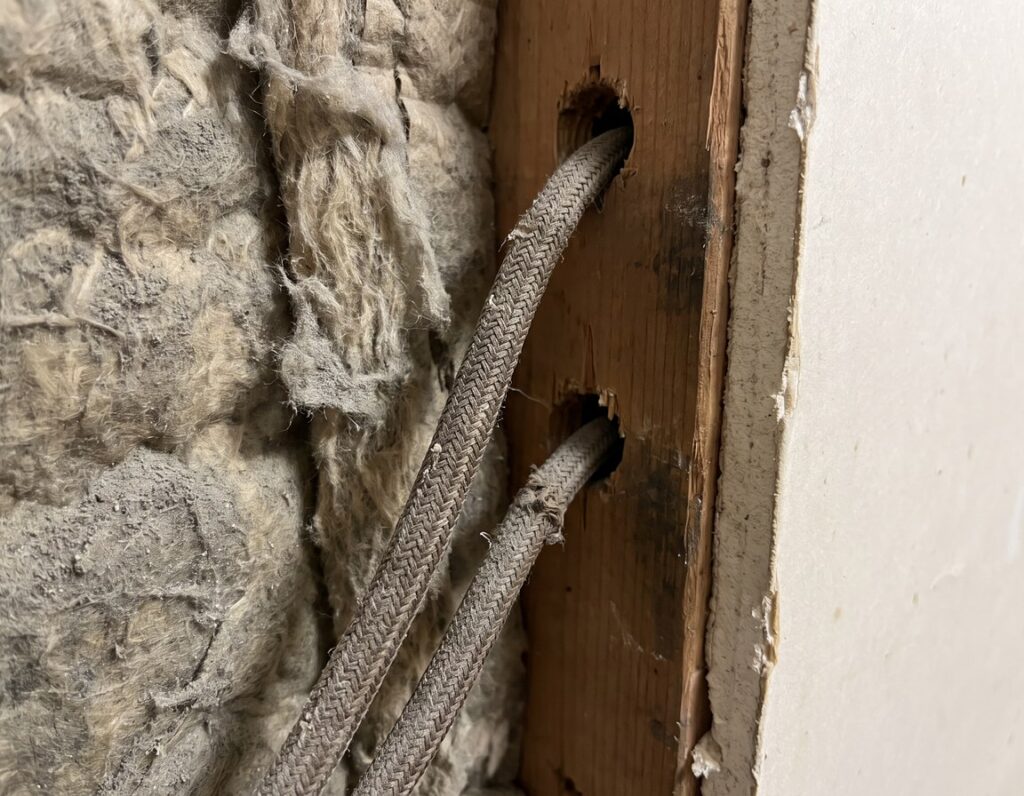
Residents near 91st Avenue and the neighborhoods adjacent to Palos Hills Recreation Park deal with this more than most, because the housing density in this part of Cook County means older construction is the norm, not the exception. If your home was built before 1980 and hasn’t had a thorough wiring assessment, there’s a reasonable chance something inside the walls is working a lot harder than it should be.
Signs the Wiring in Your Home Needs a Closer Look
A few things stand out as red flags. Ungrounded two-prong outlets throughout the house are one of the most common. Another is aluminum wiring, which was used widely in branch circuits between about 1965 and 1973 because copper prices spiked. Aluminum is not inherently dangerous if managed correctly, but connections loosen over time and create heat. The third is knob-and-tube wiring that was never properly decommissioned during a past renovation. Covering it with insulation without removing it first is still a fire risk that a lot of homeowners don’t know exists in their own attic.
The Difference Between a Partial and Full Rewire — And Why It Matters Here
Not every older home needs every wire replaced. A partial rewire targets specific circuits that are undersized, damaged, or wired with materials that don’t meet current standards. A full rewire pulls new wire throughout the entire home, updates the panel, and brings everything to current code. The right choice depends on what’s actually in the walls, not just the age of the house.
For a typical home in this area, a licensed electrician will start with a room-by-room inspection before recommending either path. The goal is to identify which circuits are genuinely problematic versus which ones just need a connection tightened or a device replaced. Jumping straight to a full rewire when a targeted fix would solve the problem costs the homeowner real money. Going too conservative when the wiring is truly degraded creates an ongoing safety issue.
If you want to understand the cost side of a rewire before committing to any work, the breakdown at How Much Does a House Rewire in Palos Hills Cost? lays out what drives pricing based on square footage, circuit count, and existing conditions. That kind of transparency matters when the quotes you’re comparing look very different from each other.
For context on what full vs. partial rewiring actually involves structurally, the House Rewire Palos Hills: Full vs Partial Rewiring Explained guide walks through the decision points in plain terms.
When a Panel Upgrade Goes Hand-in-Hand With a Rewire
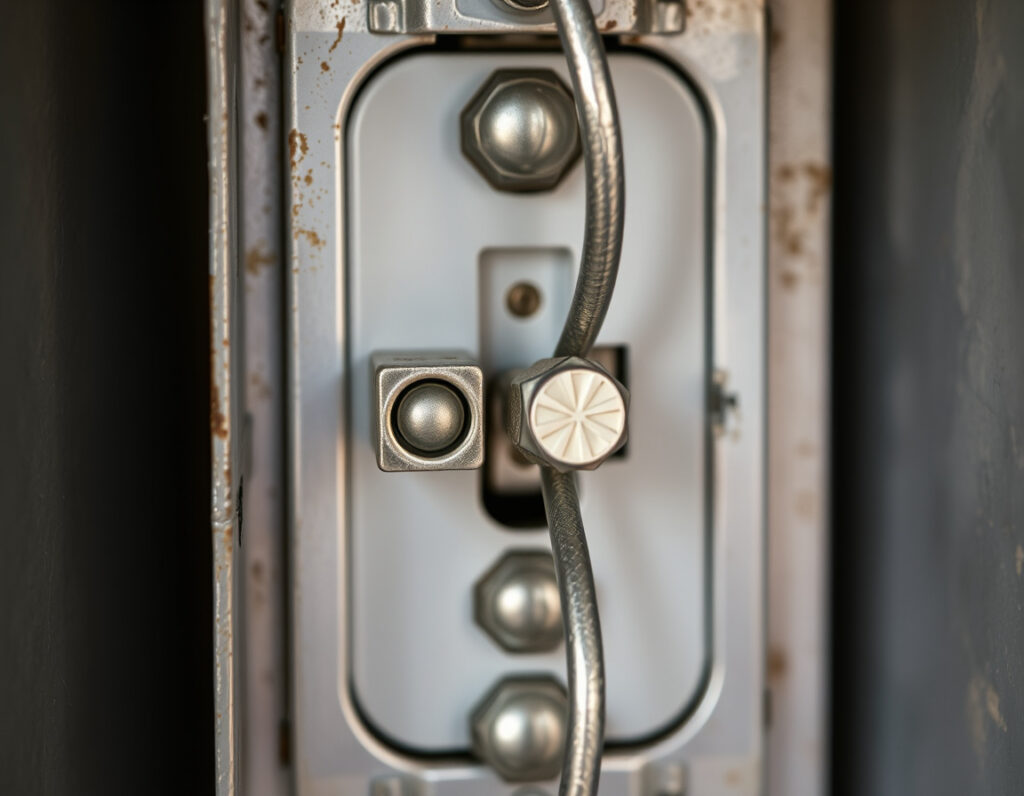
Rewiring the branch circuits in a home while leaving a 60-amp or undersized fuse panel in place doesn’t fully solve the problem. The panel is what controls everything downstream. Homes near Kean Avenue that still have older fuse boxes often need both addressed at once — not because it’s a convenient upsell, but because the new circuits simply can’t be safely fed from outdated equipment. A panel upgrade paired with a rewire is often the most efficient path, both in terms of labor and long-term reliability.
What Cook County Requires Before You Start Any Wiring Project
Pulling a permit before rewiring work begins isn’t optional in Palos Hills. Cook County and the City of Palos Hills both have permit requirements tied to electrical work, and skipping that step creates real problems when you sell the home. Buyers’ inspectors flag unpermitted electrical work, and that can either kill a sale or force you to pay for a second round of work to get it up to code after the fact.
The permit process also triggers an inspection, which is actually a benefit. An independent inspector verifying that the work was done correctly is a layer of protection for you, not just a bureaucratic step. The Illinois Department of Financial and Professional Regulation maintains licensing standards for electrical contractors — working with a licensed electrician near me or in your specific area means the work is traceable, inspectable, and covered.
For more background on what the City of Palos Hills handles locally, the City of Palos Hills official website lists building and permitting contacts directly. It’s worth a quick check before any project starts.
Reed Electrical Services handles the permit coordination as part of the job. You don’t need to figure out which forms to file or which office to call — that gets sorted before the first wire is pulled. For a look at the full scope of residential electrical services available in this area, the service page covers the range of work handled for homeowners.
Frequently Asked Questions About House Wiring
How long does a full house rewire typically take for a home in Palos Hills?
Most single-family homes in this area fall between 1,200 and 2,200 square feet. A full rewire on a home that size usually takes between three and seven days, depending on the number of circuits, how accessible the walls and attic are, and whether the panel is being replaced at the same time. Older construction with plaster walls can add time compared to drywall. Your electrician should give you a realistic timeline after the initial walkthrough, not a guess made before seeing the home.
Is aluminum wiring actually dangerous, or is it just older?
Aluminum wiring used in branch circuits is not automatically dangerous, but it does require specific handling. The connections expand and contract differently than copper, and over decades that movement can loosen them. Loose connections create heat, and heat at a connection point is a fire risk. The fix is not always a full rewire — in some cases, a process called “pigtailing” with copper at each connection point, using approved connectors, is an acceptable and code-compliant solution. An inspection will tell you which approach applies to your home.
Can I stay in the house while a rewire is being done?
Usually yes, though there will be periods during the project when sections of the home lose power. Electricians typically work room by room or circuit group by circuit group to minimize disruption. You’ll want to plan around the kitchen being down for a portion of a day, or certain parts of the home being without lights temporarily. A good contractor will walk you through the sequence before starting so you’re not caught off guard.
If your home is showing signs of aging wiring, or you just want to know what’s actually going on behind your walls, Reed Electrical Services, LLC. serves Palos Hills and the surrounding South Chicagoland area with licensed, inspectable electrical work. Reach out through the contact page to schedule a walkthrough or get a straight answer about what your home needs.