
14 Jun
Why Outdoor and Landscape Electrical Work Is Different From Indoor Wiring
Outdoor electrical installations carry a different set of demands than anything inside your walls. Moisture, temperature swings, ground contact, and UV exposure all wear on wiring and fixtures in ways that standard interior work never has to deal with. Homes near Palos Hills sit in a climate that swings from sub-zero winters to humid 90-degree summers, and that range is brutal on anything electrical that lives outside.
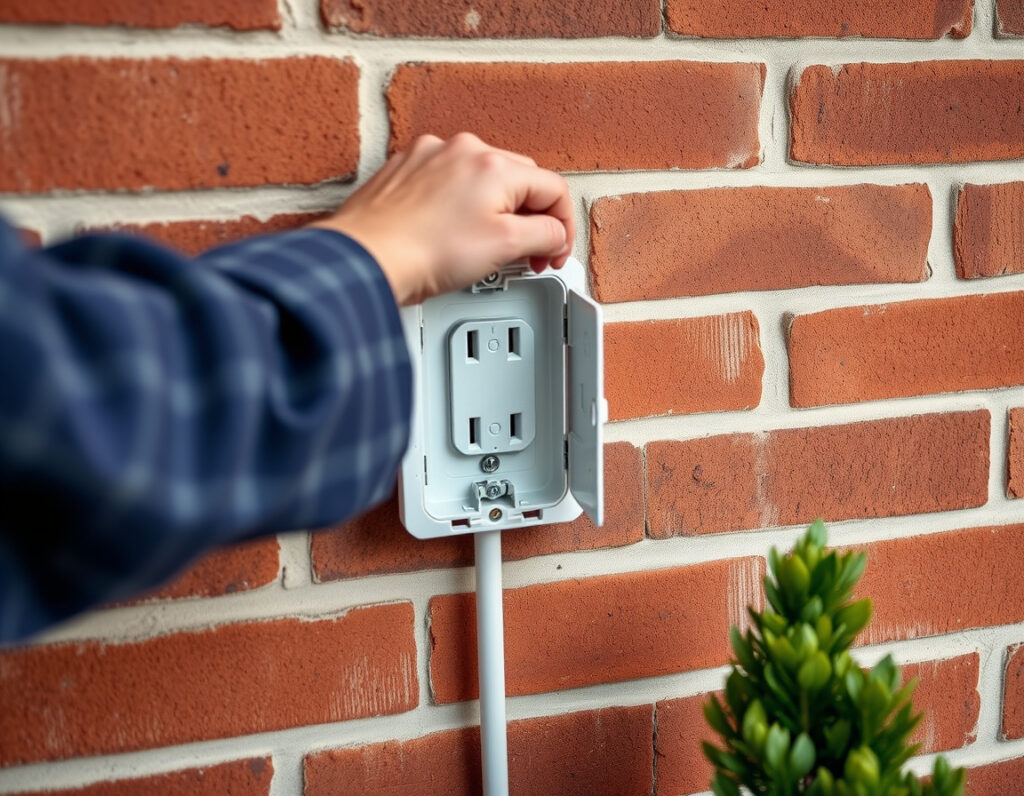
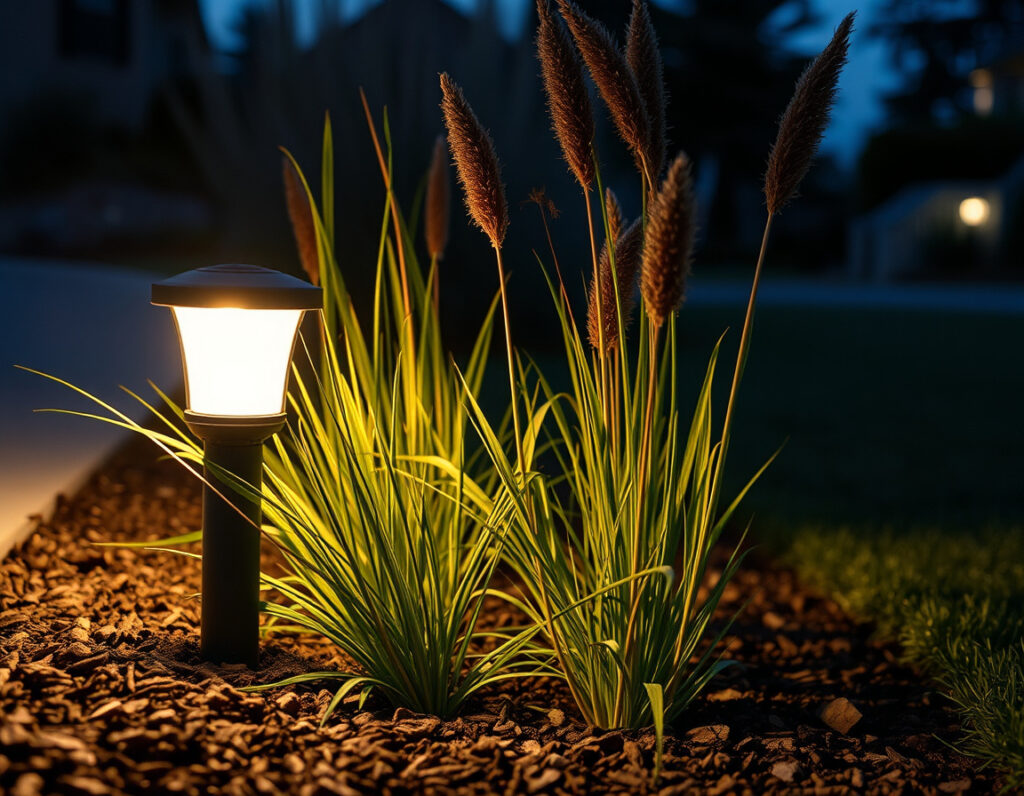
Path lighting along a front walkway, security lights over a garage, a weatherproof outlet on a deck, or wiring for a pergola setup — each of these requires circuits planned and installed specifically for outdoor conditions. That means GFCI-protected circuits, weatherproof covers, conduit rated for direct burial or wet locations, and fixtures with appropriate IP ratings. A circuit that runs fine in your basement will fail fast when it’s exposed to what a typical Palos Hills winter delivers.
Residents along Wolf Road and near the Cal-Sag Trail corridor have been adding outdoor entertaining spaces at a steady pace over the past several years. Pergola outlets, low-voltage landscape lighting transformers tied into a dedicated circuit, and motion-activated security floods are all jobs that require a licensed electrician to do correctly and safely. Doing this work without pulling a permit or using the right materials isn’t just a code violation — it’s a liability when you sell the home.
Dedicated Circuits for Outdoor Spaces
One of the most common mistakes homeowners make is tapping an existing indoor circuit to power outdoor fixtures. That might work short-term, but it creates two problems: you’re adding load to a circuit that wasn’t designed for it, and you’re running conductors through an exterior wall without the right weatherproofing at the penetration point. A proper outdoor electrical circuit runs from the panel, gets its own breaker, and is protected with GFCI from the first outlet outward. If you’re adding a ceiling fan to a covered patio space, that fixture needs to be rated for damp or wet locations depending on how exposed it is — a detail that gets skipped more often than it should.
What Palos Hills Homeowners Should Know About Outdoor Electrical Planning
The neighborhoods tucked between 91st Street and Roberts Road in Palos Hills include a mix of ranch homes, split-levels, and two-stories — many built in the 1960s and 70s. Those homes weren’t designed with today’s outdoor living expectations in mind. Backyard lighting, outlet posts for holiday displays, and EV charging prep near the garage are all electrical additions that require planning before any wire gets pulled.
Cook County and the Village of Palos Hills both require permits for new circuit work, including outdoor lighting circuits. That’s worth knowing before you hire anyone. A licensed electrical contractor will pull the permit, schedule the inspection, and make sure the work passes. Someone who skips that step is putting you at risk. The Village of Palos Hills maintains building and electrical permit requirements through its community development department — it’s worth reviewing if you’re planning a larger outdoor project.
For homes near Kean Avenue or the Palos Hills Country Club area, adding outdoor lighting circuits often means trenching through landscaped yards to reach the panel. That trench work needs to be done at the right depth for Illinois (typically 24 inches for direct-burial cable, 6 inches for conduit), with proper marking and backfill. It’s not complicated when done right, but it’s not a DIY afternoon project either.
Low-Voltage vs. Line-Voltage Outdoor Lighting: Which Makes Sense
Low-voltage landscape lighting systems (typically 12V, transformer-fed) are popular for path lights and garden accents. They’re easier to DIY because the transformer plugs into a standard outlet, but that outlet still needs to be GFCI-protected and in the right location. Line-voltage systems (120V) are better for security floods, overhead string lights on a permanent structure, or anything that needs consistent brightness regardless of wire run length. Many Palos Hills homeowners end up with a combination — low-voltage for aesthetics along paths, and a line-voltage circuit for a garage floodlight or outlet post near the driveway. Getting that combination right means thinking through the panel capacity and conduit routing before anything goes in the ground. See how lighting upgrades work in similar southwest suburban homes for a better sense of the scope involved.
Outdoor EV Charging and What It Adds to the Picture
More homeowners near the Palos Hills area are adding Level 2 EV chargers to their garages or exterior driveways. This is a separate conversation from landscape lighting, but it’s worth raising here because both jobs often get scoped at the same time. A Level 2 charger requires a dedicated 240V circuit, and if your panel is already tight on space, that conversation may include a panel capacity evaluation before the charger goes in. Planning outdoor electrical work in phases — lighting now, EV prep next year — without considering panel load from the start leads to redundant labor costs later.
The U.S. Department of Energy’s outdoor lighting guidance outlines efficiency considerations for residential outdoor lighting systems that are worth reviewing if you’re planning a larger installation. Combining energy-efficient fixtures with properly installed circuits keeps long-term operating costs down.
Reed Electrical Services, LLC. handles outdoor circuit installations across the southwest suburbs, including EV charger prep, landscape lighting circuits, and weatherproof outlet work. If you’re planning a backyard or front-yard electrical project, getting a professional electrical assessment before any digging starts saves time and avoids expensive do-overs.
Frequently Asked Questions
Do I need a permit for outdoor lighting circuits in Palos Hills, IL?
Yes. Any new circuit — including one that feeds outdoor lighting, a pergola outlet, or a landscape lighting transformer plugged into a hardwired outlet — requires an electrical permit through the Village of Palos Hills. A licensed electrical contractor will pull that permit on your behalf and arrange the inspection. Skipping the permit can create problems during a home sale title search and may void your homeowner’s insurance coverage for related losses.
What’s the difference between a damp-rated and wet-rated outdoor fixture?
Damp-rated fixtures handle moisture from condensation and indirect exposure — covered porches, soffits, and protected overhangs. Wet-rated fixtures are built for direct rain and weather contact, which makes them the right call for open decks, driveways, and any location not shielded by a roof overhang. Using a damp-rated fixture in a wet location is a code violation and typically leads to premature fixture failure within a season or two in a Chicago-area climate.
Can I add outdoor outlets to my existing panel without an upgrade?
It depends on your current panel’s available capacity. Many homes in Palos Hills built before 1985 have 100-amp or 150-amp service with panels that are partially full. Adding one or two outdoor circuits is often possible without any panel changes. But if you’re also planning an EV charger, a hot tub, or a large lighting system, it’s worth having an electrician review your available breaker slots and total load before committing to the scope of work.
Reed Electrical Services, LLC. serves homeowners throughout the southwest suburbs with outdoor circuit installation, landscape lighting wiring, and weatherproof outlet work done to code. If you’re near the Wolf Road corridor, off 91st Street, or anywhere in the Palos Hills area and want a straight answer on what your outdoor electrical project actually involves, give us a call. The work gets done right the first time, and the permits get pulled — no shortcuts.