
06 Jun
How Do You Know If Your Home’s Wiring Is Too Old to Be Safe?
Most homes built before 1980 used wiring methods and materials that weren’t designed to handle today’s electrical loads. If your house still has knob-and-tube or aluminum branch circuit wiring, cloth-wrapped cables, or a panel full of fuses instead of breakers, those are clear signs the system needs a professional look before you add anything new to it.
Age alone doesn’t condemn a system, but age combined with high demand, previous DIY work, or zero inspection history is a real problem worth addressing sooner rather than later.
Warning Signs That Show Up Inside the House
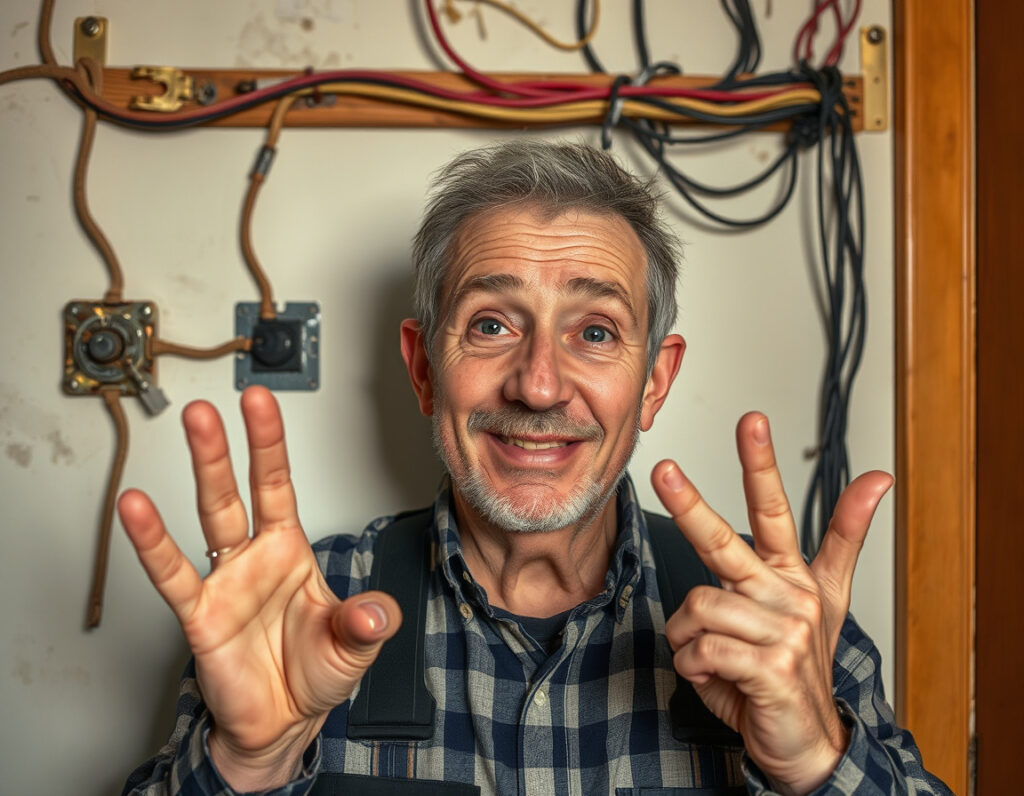
Some indicators are obvious. Others are easy to dismiss as minor annoyances until something goes wrong.
Outlets and Switches That Behave Oddly
An outlet that sparks when you plug something in, a switch that crackles or buzzes, or a two-prong ungrounded outlet throughout most of the house — these aren’t quirks, they’re symptoms. Older receptacles also tend to lose their grip on plugs over time, which creates a loose connection that generates heat. Heat inside a wall cavity is one of the leading causes of residential electrical fires.
If you’re in the southwest suburbs and find your outlets need replacing, a switch and outlet installation in nearby Oak Lawn or similar service from Reed Electrical gives you a clean, code-compliant upgrade without tearing up walls unnecessarily.
Panel and Breaker Red Flags
A Federal Pacific Stab-Lok panel or a Zinsco panel are two names every homeowner should know. Both have well-documented failure rates — breakers that don’t trip when they should, which means a fault can run unchecked. If your home still has one of these, that’s not a “someday” problem. Beyond brand, look for breakers that feel loose, a panel that’s warm to the touch, or breakers that trip repeatedly on normal loads.
A thorough electrical inspection by a licensed electrician will flag these issues with specifics, not just vague concerns. Reed Electrical serves Palos Hills and the surrounding area and can walk you through exactly what needs attention and what can wait.
Visible Wiring Problems
Head to the basement or attic. If you see cloth-wrapped wires, wiring that runs without conduit through open framing, or spliced connections just hanging loose rather than capped inside a junction box, those are signs of an older system that may not meet current safety standards. Rodent damage is also common in older homes — chewed insulation on a wire inside a wall is invisible until it causes a fire.
For context on just how many homes in the area fall into this category, the Village of Palos Hills was largely developed during the 1960s and 1970s, meaning a significant share of local housing stock is now 50 or more years old.
What a Professional Inspection Actually Covers
More Than Just a Visual Check
A licensed electrician doing a proper inspection will pull the panel cover, check wire gauges against breaker sizes, test outlets for ground and polarity, look at service entrance cables, and evaluate whether the overall load capacity still fits how the home is actually being used. Modern households run EV chargers, home offices, and large HVAC systems off panels that were sized for a 1965 lifestyle. That mismatch matters.
The National Fire Protection Association recommends having a home’s wiring inspected every ten years, or any time you’re buying a home, completing a renovation, or adding significant new loads.
When Repairs Turn Into a Full Upgrade
Sometimes a targeted fix is all you need. A bad breaker, a handful of outlets, a new panel — these are contained jobs. But if an inspection reveals outdated wiring throughout the home, the conversation shifts toward a wiring upgrade. That’s not meant to scare anyone; it just means the scope is bigger. Companies like Reed Electrical work with homeowners to phase these projects when a full replacement isn’t in the immediate budget.
Related Questions
How long does a home electrical inspection take?
For an average single-family home, a thorough electrical inspection typically takes two to four hours. Larger homes, older systems, or properties with detached garages and outbuildings will run longer. You’ll get a written report detailing any code violations, safety concerns, and recommended repairs ranked by urgency.
Does old wiring affect my homeowner's insurance?
Yes, in many cases it does. Insurance companies increasingly ask about panel brands and wiring types during underwriting. Homes with knob-and-tube wiring or known problem panels like Stab-Lok may face higher premiums, policy exclusions, or outright denial of coverage until the issues are corrected. Getting an inspection and making documented repairs can directly affect what you pay and what your policy actually covers.