
22 May
What Palos Hills Homeowners Need to Know Before Booking an Electrical Inspection
Buying or selling a home near Wolf Road or along 95th Street in Palos Hills moves fast. One item that slows deals down — or kills them entirely — is an electrical system that hasn’t been looked at in years. A licensed electrical inspection isn’t just a formality. It’s a detailed review of every major component in your home’s electrical system, and what the inspector finds can directly affect your sale price, your closing date, and your homeowner’s insurance rate.
Homes in this part of the southwest Chicago suburbs were built in waves, many of them in the 1960s through 1980s. That means a significant number of properties near Palos Hills, including those tucked behind the Moraine Valley Community College campus along 104th Avenue, still carry original wiring, outdated panels, or federal Pacific breakers that haven’t been touched in decades. An inspection puts a hard number on exactly what needs attention before a deal closes.
What a Licensed Electrician Checks During an Inspection
A thorough electrical inspection covers the main service panel, all branch circuits, wiring condition, grounding, bonding, GFCI and AFCI protection, smoke and carbon monoxide detector placement, and the condition of outlets and switches throughout the home. The inspector is looking for code violations, deteriorated materials, signs of DIY work done without permits, and any conditions that create a shock or fire risk.
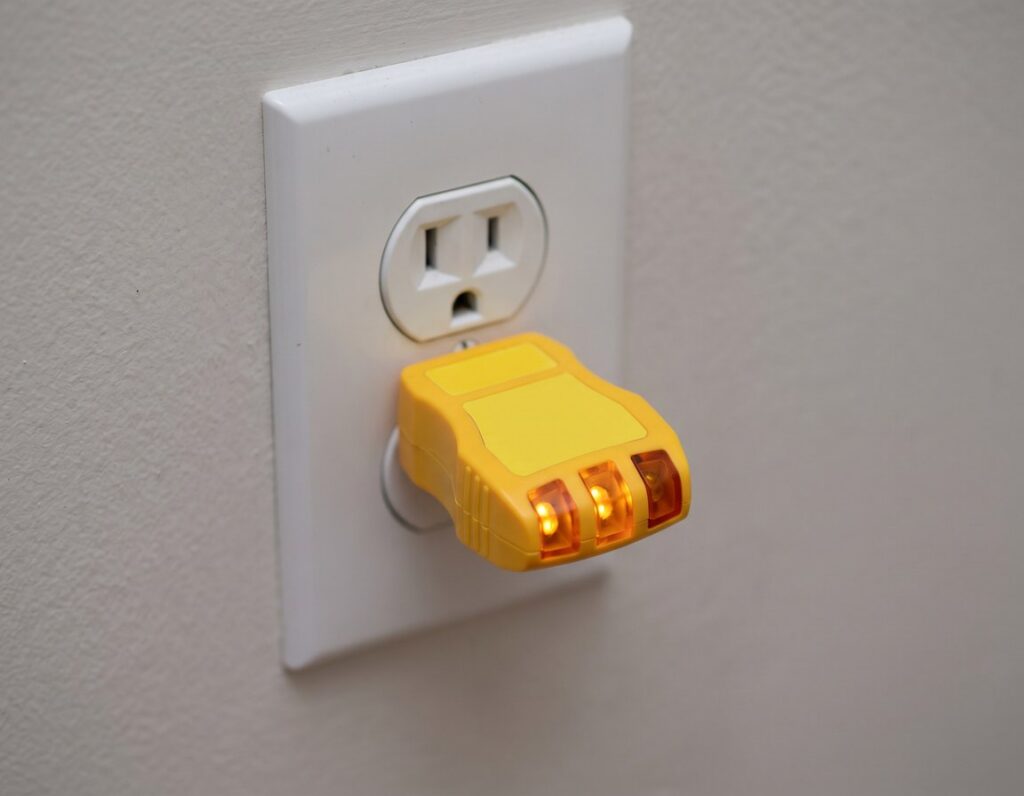
One area that comes up frequently in older homes near Kean Avenue and the neighborhoods bordering Bridgeview is aluminum branch circuit wiring. Aluminum wiring was common in residential construction between roughly 1965 and 1973. It’s not automatically dangerous, but it requires specific connectors and devices rated for aluminum. An inspection will flag whether that’s been done correctly or whether the connections are creating a heat buildup risk inside the walls.
If you’re already thinking about what electrical inspections cover in nearby communities, the scope is similar, but local permit offices can have slightly different requirements for documentation and reinspection.
Common Failures That Turn Up in Pre-Sale Inspections
The most common issues found during pre-listing inspections in this area fall into a predictable set of categories. Double-tapped breakers, where two wires share a single breaker terminal, show up constantly in panels that were expanded over time without professional work. Missing knockouts, improper bonding on water pipes, and missing GFCI protection in kitchens, bathrooms, and garages are also flagged regularly.
Perhaps the most expensive surprise a buyer’s inspector can find is a panel that needs full replacement. Replacing an electrical panel runs $1,500 to $4,000 depending on amperage and access. Sellers who get ahead of that finding with a pre-listing inspection can choose to repair it, price accordingly, or at minimum avoid a last-minute renegotiation. That kind of preparation matters in a competitive market along the I-294 corridor.
Permit Requirements and Code Compliance for Electrical Work in Palos Hills
A question that comes up often: does that electrical work actually need a permit? The honest answer is yes, for more things than most homeowners expect. In Palos Hills, pulling a permit for electrical work isn’t optional for anything beyond basic fixture swaps. Panel upgrades, new circuits, house wiring changes, and even some outlet additions all require a permit and a follow-up inspection by the Village’s building department.
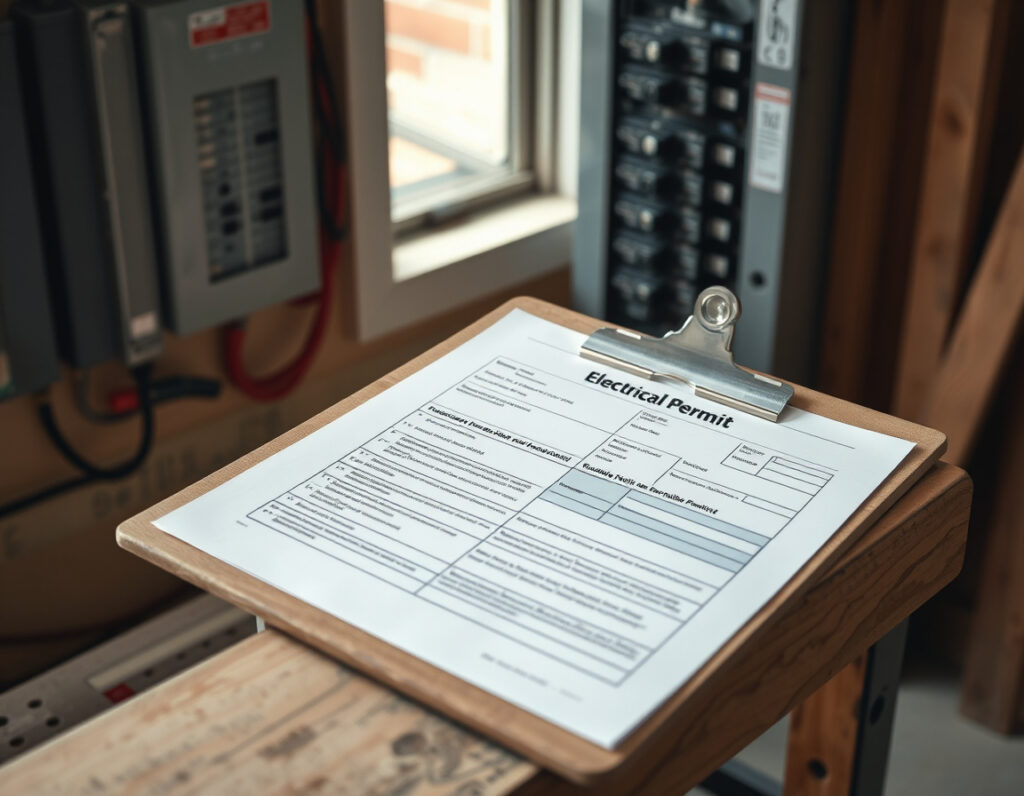
The Village of Palos Hills enforces the National Electrical Code as adopted by Illinois, with local amendments. When a homeowner skips the permit process, the work technically doesn’t exist from the municipality’s perspective. That becomes a real problem when the home sells, when an insurance claim is filed after a fire, or when a buyer’s lender orders an appraisal that includes a code compliance check.
Why Unpermitted Electrical Work Creates Problems Down the Road
Unpermitted work is one of the most common complications in residential real estate transactions in the southwest suburbs. A seller may not even know the work was unpermitted if it was done before they owned the home. When it surfaces during a buyer’s inspection, the options are either a price reduction, an escrow holdback, or bringing in a licensed electrician to correct and permit the work before closing.
The National Fire Protection Association’s NFPA 70, the foundation of the National Electrical Code, is updated every three years. Each cycle adds new requirements around arc-fault protection, tamper-resistant outlets, and energy efficiency. Work done to an older code isn’t automatically in violation, but any new work on the same circuits needs to meet current standards. A good electrical contractor will explain exactly what code cycle applies to your project and what that means for your inspection outcome.
For homeowners who’ve also been considering upgrades like energy-efficient lighting upgrades or new ceiling fans, those projects can often be bundled with permitted electrical work to save on inspection fees and reduce the number of times you need to schedule an appointment with the building department.
How to Prepare Your Home Before the Inspector Arrives
A few simple steps make inspections go faster and reduce the chance of a conditional pass. Clear access to the main electrical panel. Make sure every circuit is labeled, even if roughly. Check that all outlets in bathrooms, the kitchen, and the garage have working GFCI protection. Replace any damaged cover plates. These small items don’t change the fundamental condition of your wiring, but they signal to the inspector that the home has been maintained, and they prevent minor violations from inflating the report.
Seasonal Electrical Demand and Why Older Homes Near Palos Hills Struggle
Summer cooling loads and winter heating systems both put serious stress on electrical infrastructure. Homes in the neighborhoods near LaGrange Road and the Palos Hills border with Hickory Hills were sized for the appliance loads of their era. A 100-amp service panel was standard in the 1970s. Today, with central air conditioning, electric dryers, EV chargers, and modern kitchen appliances all running simultaneously, that same panel is often at or beyond its rated capacity.
The symptoms show up as tripping breakers, flickering lights when large appliances cycle on, and warm or discolored outlet covers. These aren’t just nuisances. They’re signs that residential electrical services are needed before the system causes a more serious problem. A panel upgrade from 100 to 200 amps, combined with any necessary wiring corrections, gives older homes the headroom to handle modern loads safely.
Reed Electrical Services, LLC. works with homeowners across Palos Hills and the surrounding communities to assess existing capacity and recommend upgrades that match actual usage, not just what the minimum code requires. That kind of honest load analysis saves homeowners from spending money on upgrades they don’t need while making sure the ones they do need get done correctly. You can see the same approach applied in the panel upgrade work done for Orland Park homeowners with similar infrastructure ages.
Frequently Asked Questions About Electrical Inspections in Palos Hills
How long does a residential electrical inspection typically take?
For a standard single-family home, most inspections run between one and two hours. Larger homes, homes with detached garages, or properties with older wiring that requires more investigation can take closer to three hours. The inspector needs access to the panel, attic, crawlspace, and every room with outlets or fixtures, so clearing those areas ahead of time keeps the process moving.
Do I need an electrical inspection if I’m not selling my home?
Yes, inspections make sense outside of real estate transactions too. If your home is over 25 years old and hasn’t had an inspection, if you’ve experienced repeated breaker trips or flickering lights, or if you’re planning a major renovation, an inspection gives you a clear picture of what the system can handle and what needs attention before you add any new loads. It’s a diagnostic tool, not just a real estate requirement.
What happens if my home fails an electrical inspection?
A failed inspection doesn’t mean work stops. It means the inspector has documented specific deficiencies that need to be corrected before a certificate of compliance or occupancy can be issued. A licensed electrician addresses those items and schedules a reinspection. In most cases, corrections are straightforward and the reinspection passes without issue. The more important question is whether you find those problems through a proactive inspection or through a buyer’s inspector during a sale.
If your home near Palos Hills hasn’t had a professional look at the electrical system in the last decade, now is a good time to schedule one. Reed Electrical Services, LLC. handles pre-sale inspections, compliance reviews, and full-service electrical repairs for homeowners and buyers across the area. Call or reach out online to get an appointment set up before your next real estate transaction or renovation project gets started. For homeowners in nearby communities who want to understand what to expect, the electrical inspection services available in Oak Lawn follow the same thorough process.