
17 Jul
What Does It Mean When an Outlet Works but a Lamp Doesn’t?
If your lamp goes dead at one outlet but works fine when you plug it into a different one, the outlet itself is almost certainly not the problem. The issue is most likely with the lamp’s cord, bulb, or internal socket. That said, there are a few electrical scenarios worth checking before you toss the lamp or call anyone.
Start With the Simple Stuff First

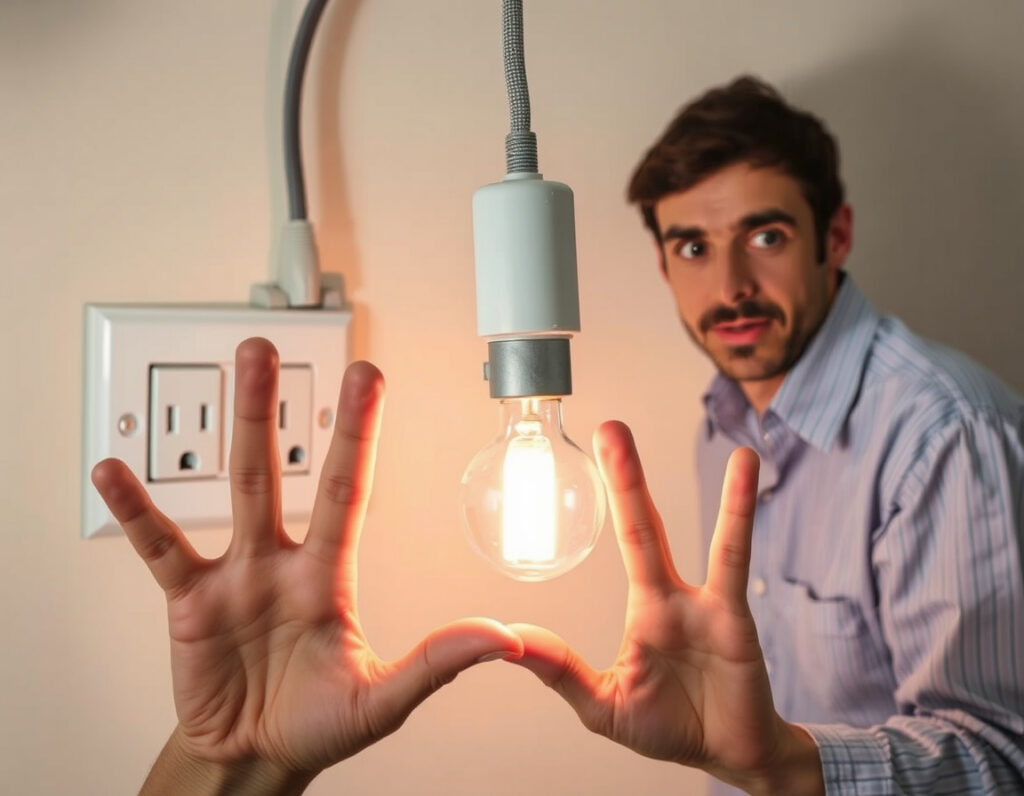
It sounds obvious, but a burned-out bulb is still the number one cause of this exact complaint. Try the lamp with a fresh bulb you know works. If the bulb is fine, plug a different device into the same outlet where the lamp failed. A phone charger works great for this test. If the charger powers up without issue, you’ve confirmed the outlet is live and the problem lives inside the lamp.
The Cord and Plug Are Easy to Overlook
A frayed lamp cord or a plug with bent, corroded prongs can break the connection even when the outlet is perfectly functional. Run your fingers along the cord from the plug to the lamp base and feel for any spots that seem pinched, stiff, or warm. Look at the prongs on the plug too. If one prong is slightly bent inward, it may not be making full contact with the outlet’s contact blades. This is more common in older floor lamps that get bumped and repositioned over the years.
Check if the Outlet Is on a Switch
In a lot of homes, especially those built in the 1970s and 1980s, switched outlets are wired to a wall switch so homeowners can control a floor lamp from across the room. If your outlet has never worked with that particular lamp, flip every switch in the room and see if power comes on. It’s a surprisingly common source of confusion, and it comes up often for local residents who move into older homes in this part of the southwest suburbs.
When the Outlet Actually Is the Problem
If the test device doesn’t work either, the outlet itself needs attention. A few things could cause a live-looking outlet to deliver no power.
A Tripped GFCI Upstream
Outlets in kitchens, bathrooms, garages, and exterior walls are often protected by a GFCI outlet wired earlier in the circuit. When that GFCI trips, every outlet downstream loses power too, even outlets in a completely different room. Look for a GFCI outlet with a “Test” and “Reset” button somewhere nearby and press Reset. If the lamp powers on after that, you’ve found your answer. You can read more about how these work in our post on new outlets and GFCI installation in Palos Hills.
A Loose Wire Inside the Outlet Box
Over time, the wire connections inside an outlet box can loosen, especially in homes where wiring was originally push-connected rather than screw-terminated. A loose neutral or hot wire means the outlet may test fine with a basic plug-in tester but still fail under load. This is not a DIY fix. An outlet that delivers inconsistent power or works sometimes and not others is a sign that the wiring connection needs to be inspected and tightened by a licensed electrician. The National Fire Protection Association consistently identifies loose connections as one of the leading causes of residential electrical fires.
The Outlet Itself Has Failed
Outlets don’t last forever. After years of use, the internal contacts wear down and lose their grip on plugs. If the lamp’s plug feels loose in the outlet, or if the outlet sparks when you insert a plug, outlet replacement is the right move. It’s a straightforward repair for a licensed electrician and one of the more affordable fixes you’ll run into. Our team at Reed Electrical Services handles switch and outlet installation throughout the area, including same-week appointments for issues like this.
For reference, the U.S. Consumer Product Safety Commission recommends having any outlet that sparks, feels warm, or delivers intermittent power inspected before continued use.
Palos Hills homeowners dealing with outlets that behave unpredictably should also check whether their home has had a recent electrical inspection. Older homes sometimes have multiple small issues that look unrelated but trace back to the same aging wiring or panel problem.
Related Questions
Can a bad outlet damage my appliances or electronics?
Yes, a failing outlet with loose connections can cause voltage fluctuations that stress the internal components of electronics and small appliances. Most people think of power surges as coming from lightning, but a loose wire inside a wall can create micro-arcing that sends brief spikes through whatever is plugged in. Consistent use of a damaged outlet shortens the lifespan of anything connected to it.
How much does it cost to replace a standard outlet?
Replacing a standard single outlet typically runs between $75 and $150 when done by a licensed electrician, depending on whether the box needs any additional work or if the wiring behind it turns out to be in poor condition. GFCI outlets cost a bit more, usually in the $100 to $200 range installed, because of the more complex internal components. Prices in the southwest Chicago suburbs are generally in line with those figures.