
20 Feb
Electrical problems in your home aren’t just inconvenient – they can be downright dangerous. At Reed Electrical Services, we’ve seen countless situations where homeowners tried to handle electrical issues themselves, often making the problem worse or putting their families at risk.
Since 2017, we’ve specialized in helping Palos Hills residents and South Chicagoland homeowners recognize when to call an electrician before minor issues become major hazards.
Understanding the warning signs that require immediate professional attention can protect your property, your family, and potentially save your life. We’ve identified five critical scenarios where attempting DIY repairs isn’t just inadvisable – it’s dangerous. Let’s explore these situations and help you recognize when it’s time to put down the tools and pick up the phone.
The Importance of Recognizing Electrical Warning Signs
Electrical systems are complex networks that power our daily lives, but they can also pose serious threats when something goes wrong.
As licensed technicians who’ve handled everything from simple flickering lights to complex emergency diagnostics, we understand that many homeowners struggle to determine when to call an electrician versus when they can handle repairs themselves.
The key difference lies in understanding which symptoms indicate immediate danger. Some electrical issues might seem minor on the surface, but actually signal serious underlying problems that could lead to fires, electrocution, or extensive property damage.
An experienced and professional residential electrician will always be able to find the root of the problem and solve it adequately, while a layman can often make the situation even worse and more dangerous.
Our experience has taught us that homeowners who learn to recognize these warning signs early often avoid costly emergency repairs and, more importantly, keep their families safe. Let’s examine the five scenarios that should always prompt an immediate call to professional electricians.
Scenario 1: Persistent Flickering Lights Throughout Your Home
When lights flicker occasionally, it might not seem alarming. However, persistent flickering, especially when it affects multiple rooms or occurs without obvious triggers like turning on large appliances, signals a serious electrical problem that requires professional attention.
Warning signs that indicate you need to call an electrician:
- Lights dim or flicker when you turn on appliances
- Multiple light fixtures flicker simultaneously
- Flickering occurs in rooms throughout the house, not just one area
- LED bulbs flicker despite being relatively new
- Fluorescent lights flicker more frequently than normal
Flickering lights often indicate problems with your electrical panel, loose connections, or overloaded circuits. These issues can generate heat, leading to fires if left unaddressed. We’ve responded to numerous emergency calls where homeowners ignored flickering lights until they noticed burning smells or experienced complete power outages.
At Reed Electrical Services, our diagnostic approach helps identify whether flickering results from simple bulb issues or more complex wiring problems. Our whole-home electrical safety inspections often reveal underlying causes that aren’t immediately obvious, such as loose connections in junction boxes or problems with your main electrical panel.
The danger of DIY attempts with flickering lights lies in the complexity of potential causes. What appears to be a simple fixture problem might actually stem from serious wiring issues that require professional tools and expertise to diagnose safely.
Scenario 2: Burning Smells from Outlets, Switches, or Electrical Panels
A burning smell near any electrical component represents an immediate fire hazard that demands instant professional attention. This scenario represents one of the clearest examples of when to call an electrician without delay – preferably after shutting off power to the affected area if you can do so safely.
Burning smells from electrical sources typically indicate overheating components, which can ignite surrounding materials within minutes or hours. These odors might smell like burning plastic, rubber, or even metallic scents that seem unusual.
Common sources of electrical burning smells include:
- Outlets that feel warm to the touch
- Light switches that generate heat
- Electrical panels with unusual odors
- Extension cords that smell burnt
- Appliance connections that emit burning scents
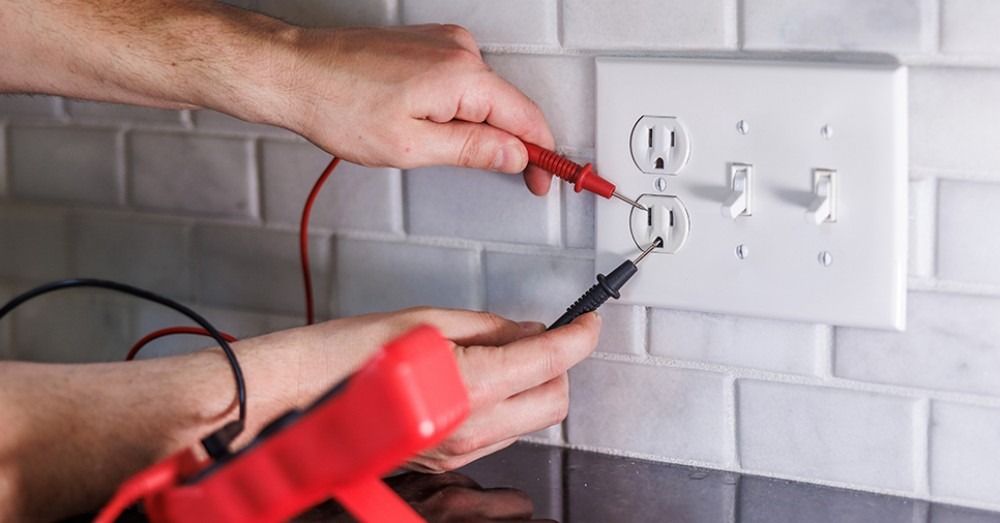
We’ve handled emergency calls where burning smells preceded actual fires by mere hours. In these situations, quick professional intervention often prevents catastrophic damage and potential injuries.
Our emergency diagnostic services include thermal imaging equipment that can identify hot spots in your electrical system before they become visible problems. This technology helps us locate overheating components that might not yet produce obvious burning smells but pose future fire risks.
Never attempt to investigate burning electrical smells yourself by removing outlet covers or opening electrical panels. These areas contain live wires that can cause serious injury or death, especially when components are already overheating.
| Immediate Steps When You Smell Burning | What NOT to Do |
| Turn off the power at the breaker if safe to do so | Don’t remove outlet covers or switch plates |
| Evacuate the area if the smell is strong | Don’t use water on electrical fires |
| Call Reed Electrical Services immediately | Don’t ignore intermittent burning smells |
| Avoid using electrical components in affected areas | Don’t assume the problem will resolve itself |
Scenario 3: Frequent Circuit Breaker Trips
Circuit breakers protect your home by shutting off power when circuits become overloaded. However, breakers that trip frequently indicate serious problems that require professional evaluation to determine when to call an electrician versus when you might have simple overload issues.
Occasional breaker trips, especially when you’re running multiple high-power appliances simultaneously, might not indicate serious problems. However, frequent trips, trips that occur without obvious causes, or breakers that immediately trip after being reset signal dangerous conditions.
Red flags that require immediate professional attention:
- Breakers trip repeatedly, even after reducing the electrical load
- Multiple breakers trip simultaneously
- Breakers feel hot to the touch
- Burning smell near the electrical panel
- Breakers trip when you use specific outlets or appliances
- Old breakers that make unusual sounds when they trip
Frequent breaker trips often indicate overloaded circuits, short circuits, or ground faults – all potentially dangerous conditions. Short circuits, in particular, can generate intense heat and sparks that ignite fires almost immediately.
We’ve encountered situations where homeowners repeatedly reset tripping breakers without addressing underlying causes, eventually leading to damaged wiring, burnt outlets, or electrical fires. Our diagnostic expertise helps identify whether frequent trips result from simple overloads or more serious wiring problems.
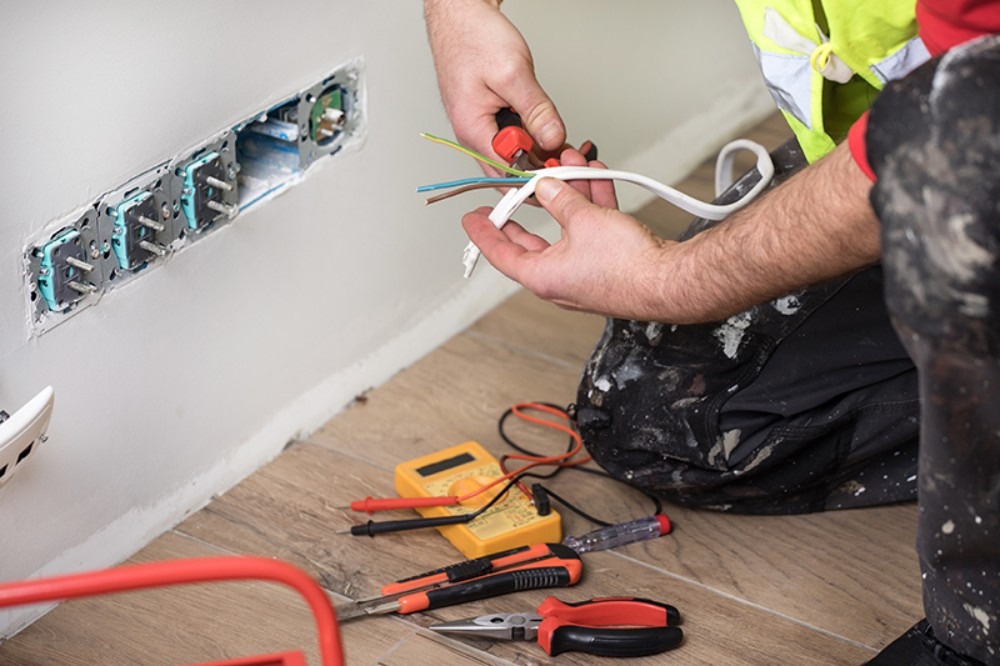
Our licensed technicians use specialized equipment to measure electrical loads, test circuit integrity, and identify problems that cause breakers to trip. This comprehensive approach ensures we address root causes rather than just symptoms.
Scenario 4: Sparking Outlets or Electrical Connections
Sparks from electrical outlets or connections represent immediate fire and electrocution hazards. Any visible sparking indicates when to call an electrician immediately – this situation never represents a safe DIY repair opportunity. This is a serious situation that should only be handled by a professional, such as a specialised licensed commercial electrician.
Small sparks when you plug in appliances occasionally occur due to normal electrical arcing, but continuous sparking, large sparks, or sparks accompanied by burning smells indicate serious problems requiring immediate professional attention.
Dangerous sparking scenarios include:
- Sparks that continue after plugging in devices
- Large or bright sparks from any electrical connection
- Sparks accompanied by popping or crackling sounds
- Sparks from light switches or outlet faces
- Any sparking from electrical panels or junction boxes
Sparking typically results from loose connections, damaged wiring, or electrical components that have degraded over time. These conditions create electrical arcs that generate intense heat and can ignite nearby materials instantly.
At Reed Electrical Services, we treat sparking outlets as emergencies requiring immediate response. Our technicians carry equipment designed to safely diagnose and repair sparking connections while minimizing fire and electrocution risks.
The danger of attempting DIY repairs on sparking electrical components cannot be overstated. Live electrical connections that are already malfunctioning pose extreme risks to anyone without proper training and safety equipment.
Scenario 5: Electrical Shocks from Appliances or Switches
Experiencing electrical shocks from appliances, light switches, or any electrical components indicates serious grounding problems or wiring faults that demand immediate professional attention. This scenario clearly defines when to call an electrician without any hesitation.
Normal electrical systems should never cause shocks under any circumstances. When you feel electrical shocks, it means electrical current is traveling through paths where it shouldn’t – potentially including through your body to the ground.
Types of electrical shocks that require immediate professional response:
- Shocks from light switches or outlet covers
- Shocks when touching appliances
- Shocks from metal fixtures or electrical boxes
- Static-like shocks that seem stronger than normal
- Shocks that occur consistently rather than occasionally
Electrical shocks often indicate problems with grounding systems, damaged wiring insulation, or faulty electrical connections. These conditions pose serious electrocution risks and can worsen quickly without professional intervention.
We’ve responded to emergency calls where electrical shocks preceded more serious electrical failures, including complete system malfunctions and electrical fires. Early professional intervention in these cases often prevents more dangerous situations.
Our comprehensive electrical safety assessments include grounding system tests and insulation integrity checks that identify shock hazards before they cause injuries. These preventive measures help ensure your electrical system operates safely.
| Shock Severity Level | Immediate Action Required | Professional Response Needed |
| Mild tingle sensation | Stop using affected components | Schedule a same-day service call |
| Noticeable shock feeling | Turn off the power to the affected circuits | Emergency service within hours |
| Strong shock or pain | Evacuate the area if safe to do so | Immediate emergency response |
| Shock with a burning smell | Call the fire department if necessary | Critical emergency intervention |
Understanding the Risks of DIY Electrical Work
Many homeowners underestimate the dangers associated with electrical repairs. Unlike plumbing or basic carpentry, electrical work involves invisible hazards that can cause immediate injury or death. Understanding these risks helps explain when to call an electrician rather than attempting repairs yourself.
Electrical current doesn’t provide visual warnings before it injures or kills. Live wires look identical to dead wires, and electrical panels can contain lethal voltage even when individual circuits are turned off. These hidden dangers require specialized knowledge and safety equipment to navigate safely.
Common DIY electrical mistakes include:
- Working on live circuits without proper safety procedures
- Misidentifying wire functions and creating dangerous connections
- Using incorrect materials that don’t meet electrical codes
- Creating fire hazards through improper connections
- Damaging existing wiring while attempting repairs
At Reed Electrical Services, we’ve seen numerous cases where DIY electrical attempts created more extensive problems than the original issues. These situations often result in higher repair costs and increased safety risks for families.
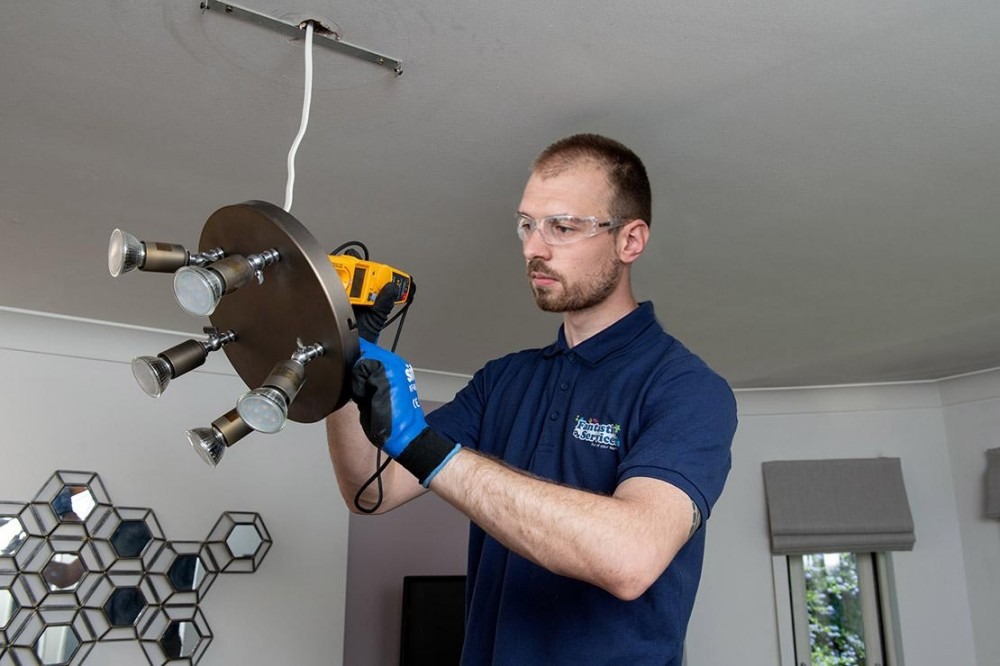
Our licensed technicians undergo extensive training in electrical safety procedures and maintain current knowledge of electrical codes and best practices. This expertise ensures repairs are completed safely and correctly the first time.
Reed Electrical’s Emergency Response and Safety Assessment Services
When you face any of these five critical scenarios, Reed Electrical Services provides the rapid response and expert diagnostics you need to protect your family and property. Our emergency electrical diagnostic services are designed specifically for situations that require immediate professional intervention.
Our First-Class Membership program addresses urgent electrical needs with extended service hours from 7 AM to 7 PM and waived diagnostic fees. This program ensures you can quickly access professional expertise when electrical problems arise, without worrying about additional costs for emergency diagnostics.
Benefits of our emergency response services:
- Licensed technicians available during extended hours
- Transparent pricing that eliminates guesswork for emergency calls
- Advanced diagnostic equipment, including thermal imaging
- Comprehensive safety assessments that identify hidden hazards
- Honest evaluations about whether issues require immediate attention
Our relationship-driven service approach means we provide honest assessments about your electrical concerns. We’ll tell you when problems require immediate professional attention and when issues might be manageable with simple solutions.
Preventive Measures and Regular Safety Inspections
While recognizing emergencies helps you know when to call an electrician for urgent problems, preventive measures can help you avoid many electrical emergencies entirely. Our whole-home electrical safety inspections help clients understand their systems and recognize future warning signs before they become emergencies.
Regular electrical safety inspections typically identify potential problems such as:
- Aging wiring that may fail soon
- Overloaded circuits that could cause breaker trips
- Loose connections that might generate heat
- Grounding problems that could cause shocks
- Electrical code violations that create safety hazards
These inspections provide valuable peace of mind and often prevent costly emergency repairs. By identifying potential problems early, we can schedule convenient repair appointments rather than responding to urgent situations.
Our comprehensive approach to electrical safety education helps homeowners understand their electrical systems better, enabling them to recognize warning signs and maintain safer homes.
Don’t Wait for Electrical Emergencies to Strike
Electrical problems don’t improve on their own – they typically worsen over time and eventually create dangerous situations that threaten your family’s safety.
At Reed Electrical Services, we’re committed to providing South Chicagoland residents with the rapid response and expert diagnostics they need when electrical emergencies arise.
Remember, knowing when to call an electrician can prevent minor issues from becoming major hazards. If you’re experiencing any of the five scenarios we’ve discussed, don’t hesitate to seek professional help immediately.
Licensed technicians in Reed Electrical Services are ready to respond to your electrical emergencies with the expertise and safety focus that has made us the trusted choice for electrical services in the Palos Hills area and throughout South Chicagoland.
It’s always better to be safe at all times, which is why you can contact us today to schedule your emergency diagnostic service or learn more about our First-Class Membership program.