
30 Jan
When you need electrical work done, the choice of an electrician can make the difference between a safe, code-compliant installation and a potential hazard. At Reed Electrical Services, we’ve seen firsthand how crucial it is to understand the different types of electricians and match the right professional to your specific needs.
Since our founding in 2017, we’ve built our reputation on two fundamental principles: proper licensing and specialized expertise. Our approach reflects what every property owner should know about the electrical industry – not all electricians are the same, and understanding these differences can save you time, money, and potential safety risks.
The Foundation: Licensed vs. Unlicensed Electricians
The most basic distinction in the electrical field separates licensed from unlicensed workers. Licensed electricians have completed formal training, passed state examinations, and maintain their credentials through continuing education. They carry insurance, understand local codes, and can pull permits for electrical work.
Unlicensed individuals might offer lower prices, but they lack the training and legal authority to perform electrical work safely. More importantly, work performed by unlicensed electricians often violates local codes and can void your insurance coverage.
At Reed Electrical Services, all our technicians maintain current state licensing. This ensures every project meets regulatory requirements while protecting our clients from liability issues.
Understanding Electrical License Levels
The electrical industry recognizes several license levels, each requiring different training and experience:
- Apprentice Electricians work under supervision while learning the trade. They’re in training but can perform basic electrical tasks with proper oversight.
- Journeyman Electricians have completed their apprenticeship and passed licensing exams. They can work independently on most electrical projects but may need supervision for complex installations.
- Master Electricians represent the highest license level. They can design electrical systems, supervise other electricians, and handle any electrical work. Master electricians often run their own businesses and can pull permits for major projects.
Understanding these levels helps you know what to expect from different electrical professionals and ensures you get the right expertise for your project.
Major Specialization Categories
Within the licensed electrical field, different types of electricians focus on specific areas. These specializations require additional training and experience beyond basic licensing.
Residential Electricians
Residential specialists focus on homes and small buildings. They understand household electrical systems, from basic outlet installation to complete rewiring projects.
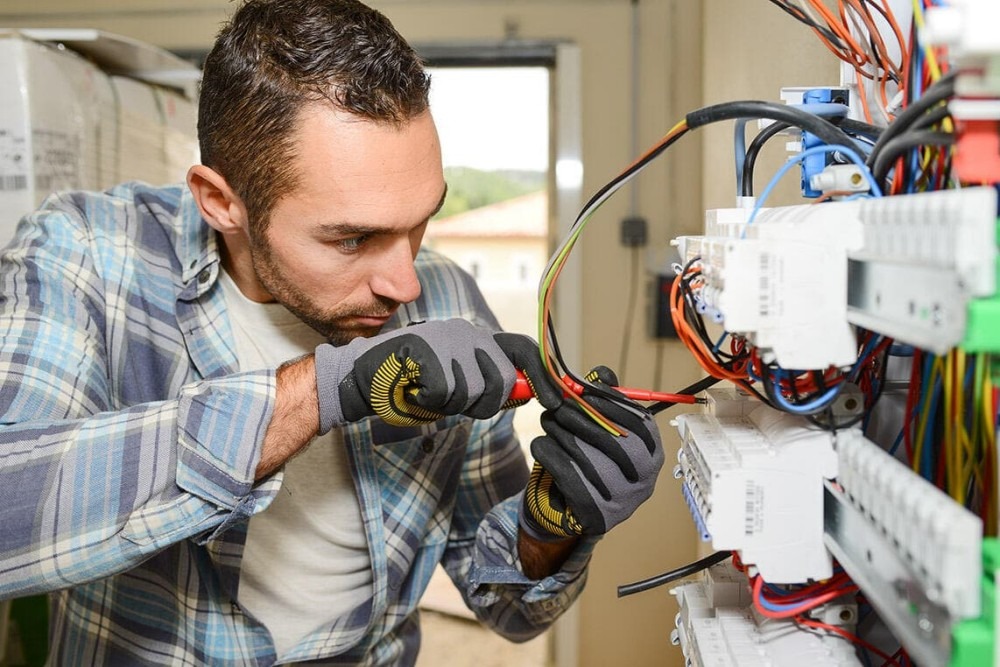
We work extensively in residential settings, handling everything from panel upgrades to whole-house electrical safety inspections. Residential electricians must understand local housing codes, work in confined spaces, and coordinate with homeowners’ schedules and budgets.
Commercial Electricians
Commercial electrical work involves office buildings, retail spaces, and other business properties. These projects typically require more complex systems and higher power loads than residential work.
Our commercial team handles everything from basic office wiring to sophisticated lighting control systems. Commercial electricians must understand three-phase power, emergency systems, and business electrical codes that differ significantly from residential requirements.
Industrial Electricians
Industrial specialists work in manufacturing facilities, power plants, and other heavy-duty environments. They deal with high-voltage systems, specialized machinery, and complex control systems.
While Reed Electrical Services focuses primarily on residential and commercial work, we understand industrial requirements and can refer clients to appropriate specialists when needed.
Specialized Electrical Fields
Beyond the major categories, numerous specializations exist within the electrical field. These different types of electricians bring focused expertise to specific applications.
| Specialization | Focus Area | Typical Projects |
| EV Charging Specialists | Electric vehicle infrastructure | Home charging stations, commercial charging networks |
| Solar Installation Electricians | Renewable energy systems | Rooftop solar panels, battery backup systems |
| Smart Home Specialists | Home automation | Integrated lighting, security systems, smart panels |
| Emergency Service Electricians | Urgent repairs | Power outages, electrical failures, safety hazards |
Electric Vehicle Charging Specialists
EV charging installation has become one of the fastest-growing electrical specializations. These electricians understand the specific requirements for different charging levels and vehicle compatibility.
At Reed Electrical Services, we’ve invested heavily in EV charging expertise. Our technicians understand the electrical requirements for Level 1, Level 2, and DC fast charging systems. We also know local permitting requirements and utility coordination needed for charging station installations.
Smart Home and Automation Specialists
Modern homes increasingly incorporate smart electrical systems. These specialists understand how to integrate traditional electrical work with advanced automation technologies.
Our smart home specialists can install everything from intelligent lighting controls to whole-house automation systems. This specialization requires understanding both electrical fundamentals and rapidly evolving technology.
How to Choose the Right Type of Electrician
Selecting the appropriate electrician for your project requires understanding both your needs and the electrician’s capabilities. Here’s our step-by-step approach:
- Identify your project scope – Determine whether you need residential, commercial, or specialized services
- Verify licensing status – Confirm the electrician holds current, appropriate licenses
- Check specialization match – Ensure their expertise aligns with your project requirements
- Review insurance coverage – Verify they carry adequate liability and workers’ compensation insurance
- Ask about permits – Confirm they can pull necessary permits and handle inspections
- Get detailed estimates – Compare not just prices but the scope of work and timeline
- Check references – Speak with previous clients about similar projects
This systematic approach helps ensure you get the right professional for your specific electrical needs.
Common Mistakes When Hiring Electricians
We’ve seen many property owners make costly mistakes when selecting electrical contractors. Understanding these common errors can help you avoid them.
- Choosing based solely on price often leads to problems. The lowest bidder might lack proper licensing, insurance, or specialization for your project.
- Failing to verify licensing is another frequent mistake. Always confirm current licensing status with your state’s licensing board.
- Ignoring specialization requirements can result in subpar work. A residential electrician might struggle with commercial three-phase systems, while a commercial electrician might not understand residential code requirements.
- Not checking insurance coverage leaves you liable for accidents or damages. Always verify current liability and workers’ compensation coverage.
- Skipping the permit process creates legal and safety issues. Proper permits ensure work meets code requirements and passes inspections.
Project Matching: Getting the Right Electrician
Different electrical projects require different expertise. Here’s how various project types align with electrician specializations:
| Project Type | Best Electrician Type | Key Considerations |
| Panel upgrades | Residential or Commercial (depending on property) | Requires permit, inspection, and utility coordination |
| EV charging installation | EV charging specialist | Needs load calculation, potential panel upgrade |
| Office building wiring | Commercial electrician | Three-phase power, emergency systems, and code compliance |
| Home automation | Smart home specialist | Integration with existing systems, future expansion |
Residential Project Examples
For typical home electrical work, residential specialists usually provide the best match. This includes outlet installation, lighting upgrades, and electrical safety inspections.
However, some residential projects benefit from specialized expertise. EV charging station installation, for instance, requires understanding both residential electrical systems and vehicle charging requirements.
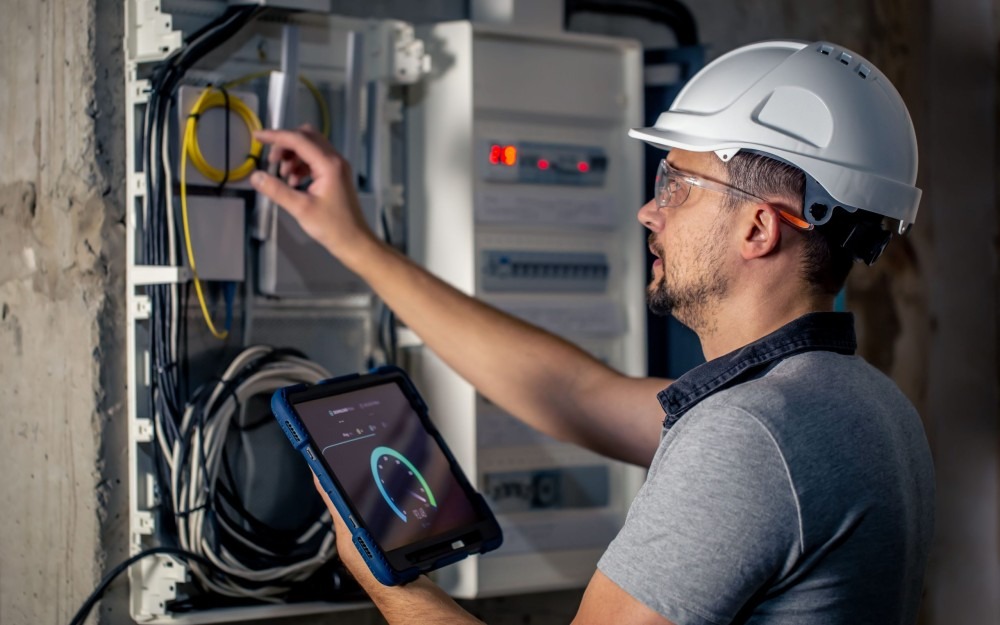
At Reed Electrical Services, we match technicians to projects based on both licensing and specialization. Our residential specialists handle standard home electrical work, while our EV charging experts take on vehicle infrastructure projects.
Commercial Project Considerations
Commercial electrical work typically involves more complex requirements than residential projects. Three-phase power systems, emergency lighting, and fire alarm integration require specialized knowledge.
Our commercial team understands these complexities and works with business owners to minimize disruption while ensuring code compliance. We coordinate with other trades and work around business schedules to complete projects efficiently.
The Reed Electrical Approach to Specialization
Our success stems from combining proper licensing with targeted specializations. Rather than claiming expertise in every electrical area, we focus on services where we can deliver exceptional results.
- Our residential specialists handle home electrical work from basic repairs to complete rewiring projects. They understand residential codes, work efficiently in occupied homes, and communicate clearly with homeowners.
- Our commercial team focuses on business electrical needs. They understand commercial codes, work with business schedules, and coordinate with other contractors on complex projects.
- Our EV charging specialists represent our newest specialization area. As electric vehicle adoption grows, we’ve invested in training and equipment to serve this expanding market.
This specialization approach ensures our clients get technicians with relevant experience and current knowledge for their specific projects.
Benefits of Working with Specialized Electricians
Choosing electricians with relevant specializations offers several advantages:
- Enhanced safety through specialized training and experience
- Code compliance from understanding specific requirements
- Efficient project completion through familiarity with similar work
- Better troubleshooting when problems arise
- Appropriate equipment for specialized applications
- Current knowledge of evolving technologies and codes
These benefits translate to better outcomes, fewer callbacks, and greater long-term satisfaction with electrical work.
Questions to Ask Potential Electricians
Before hiring any electrician, ask these key questions to ensure they’re the right fit:
- What’s your licensing status? Verify they hold current, appropriate licenses for your project type.
- What’s your specialization? Ensure their expertise matches your project requirements.
- Can you pull permits? Confirm they can handle necessary permits and inspections.
- What insurance do you carry? Verify adequate liability and workers’ compensation coverage.
- Can you provide references? Speak with previous clients about similar projects.
- What’s included in your estimate? Understand exactly what work is covered and what might cost extra.
These questions help you evaluate different electricians and make informed decisions about your electrical projects.
The Importance of Proper Licensing
Licensing requirements exist to protect both electricians and their clients. Licensed electricians have demonstrated knowledge of electrical codes, safety procedures, and proper installation techniques.
At Reed Electrical Services, we maintain all required licenses and stay current with continuing education requirements. This ensures our work meets current codes and safety standards.
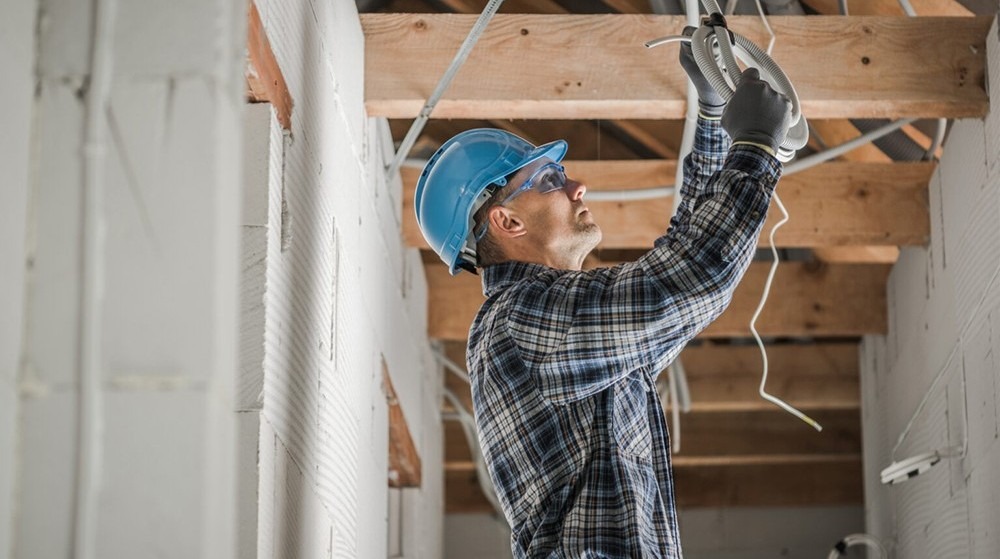
Working with unlicensed electricians might seem cost-effective initially, but it often leads to problems. Code violations, safety hazards, and insurance issues can result in expensive corrections later.
Future Trends in Electrical Specializations
The electrical industry continues evolving, creating new specialization areas. Electric vehicle infrastructure, renewable energy systems, and smart home technologies represent growing fields.
We stay ahead of these trends through ongoing training and equipment investments. Our EV charging specialization exemplifies this approach – we identified growing demand and developed expertise to serve it.
Other emerging specializations include battery backup systems, solar installation, and advanced home automation. Understanding these trends helps property owners plan for future electrical needs.
Ready to Work with True Electrical Specialists?
Understanding the different types of electricians empowers you to make better decisions about your electrical projects. At Reed Electrical Services, we’ve built our reputation on matching the right specialist to each client’s specific needs.
Licensed professionals at Reed Electrical Services bring both fundamental electrical expertise and specialized knowledge to every project. Whether you need residential electrical work, commercial installations, or specialized services like EV charging stations, our team delivers results that meet both your requirements and industry standards.
Don’t settle for generic electrical work when specialized expertise is available. If you want to be constantly secured and protected by a professional team, call us and subscribe to our First-Class Membership. Contact us today to discuss your electrical project with professionals who understand the importance of proper licensing and specialization.