
16 Feb
When homeowners face electrical issues or plan home improvements, understanding what a residential electrician is becomes essential. At Reed Electrical Services, we’ve been helping South Chicagoland residents since 2017 understand the vital role residential electricians play in maintaining safe, functional homes.
A residential electrician is a licensed professional who specializes in electrical systems within homes and residential properties. Unlike commercial or industrial electricians, we focus specifically on the unique challenges and requirements of residential electrical work, from basic outlet installations to complex electrical panel upgrades.
Understanding the Role of a Residential Electrician
What does a residential electrician do on a daily basis? The answer encompasses a wide range of specialized tasks that require extensive training, licensing, and ongoing education. We work with the electrical systems that power every aspect of modern home life. This is quite different from the work of a professional commercial electrician, who typically works with much more complex systems.
Residential electricians complete formal training programs and obtain state licensing to work on home electrical systems safely and legally. This education covers electrical theory, safety protocols, local building codes, and hands-on experience with residential wiring systems.
At Reed Electrical Services, our licensed technicians bring years of experience to every job. We understand that residential electrical work requires not just technical expertise, but also clear communication with homeowners about their electrical systems and any issues we discover.
The residential electrical field continues to evolve with new technologies, from smart home systems to electric vehicle charging stations. We stay current with these developments to provide modern solutions while maintaining the safety-first approach that defines professional electrical service.
Core Duties and Responsibilities of Residential Electricians
Understanding what a residential electrician does requires looking at our primary responsibilities. These duties form the foundation of professional residential electrical service.
Electrical Panel Upgrades and Installations
One of our most important responsibilities involves electrical panel work. Modern homes require electrical panels that can safely handle today’s electrical demands. We assess existing panels, recommend upgrades when necessary, and install new panels that meet current electrical codes.
Electrical panel upgrades often become necessary when homeowners add new appliances, expand their homes, or experience frequent circuit breaker trips. We evaluate the home’s electrical needs and install panels with adequate capacity for safe operation.
Circuit Installations and Modifications
Circuit work represents another core area of residential electrical service. We install new circuits for home additions, upgraded appliances, or areas that need additional electrical capacity. This work requires careful planning to ensure proper load distribution and safety.
Circuit modifications also fall under our expertise. When homeowners remodel kitchens, bathrooms, or other areas, we modify existing circuits or install new ones to meet updated electrical codes and usage requirements.
Outlet and Switch Services
Daily residential electrical work frequently involves outlet and switch installations, replacements, and upgrades. We install standard outlets, GFCI outlets for wet locations, USB outlets, and specialized outlets for specific appliances.
Switch work includes installing dimmer switches, smart switches, three-way switches, and troubleshooting switch problems. These seemingly simple tasks require proper wiring knowledge and adherence to safety protocols.
Lighting Installations and Repairs
Lighting work encompasses both indoor and outdoor installations. We install ceiling fans, chandeliers, recessed lighting, landscape lighting, and security lighting systems. Each type of lighting installation has specific requirements for mounting, wiring, and switch controls.
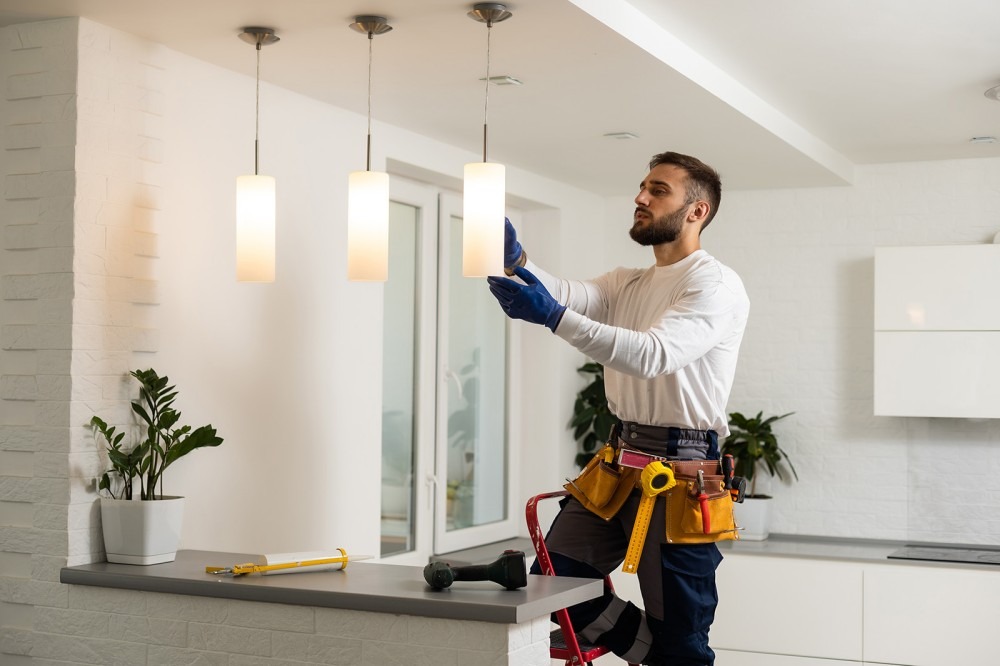
Lighting repairs often reveal underlying electrical issues. When we troubleshoot lighting problems, we check connections, switches, and circuits to identify and resolve the root cause of the problem.
Electrical Safety Inspections
Safety inspections represent one of our most valuable services. We conduct comprehensive evaluations of home electrical systems to identify potential hazards, code violations, or systems that need updating.
During safety inspections, we examine electrical panels, wiring, outlets, switches, and other system components. We provide homeowners with detailed reports and recommendations for any necessary repairs or upgrades.
The Detailed Breakdown: What Does a Residential Electrician Do?
To fully answer what a residential electrician does, we need to examine our daily activities and specialized services in greater detail.
| Service Category | Specific Tasks | Frequency |
| Electrical Panels | Upgrades, installations, and troubleshooting | Weekly |
| Wiring Services | New installations, repairs, and code updates | Daily |
| Outlet/Switch Work | Installations, replacements, GFCI upgrades | Daily |
| Lighting Solutions | Indoor/outdoor installations, repairs | Daily |
| Safety Inspections | Whole-home evaluations, code compliance checks | Weekly |
| Emergency Repairs | Power outages, electrical hazards, urgent fixes | As needed |
Emergency Electrical Repairs
Emergency situations require immediate response from qualified residential electricians. We handle power outages, electrical fires, exposed wiring, and other hazardous situations that threaten home safety.
Emergency repairs often occur outside normal business hours. At Reed Electrical Services, our First-Class Membership program includes extended service hours to address urgent electrical problems when they arise.
Troubleshooting Electrical Problems
Problem-solving forms a major part of our daily work. When homeowners experience electrical issues, we use systematic diagnostic procedures to identify problems and develop solutions.
Troubleshooting requires understanding how residential electrical systems work together. We trace circuits, test connections, and use specialized equipment to locate problems that aren’t immediately visible.
Code Compliance and Safety Standards
Ensuring all electrical work meets current codes represents a fundamental responsibility. Electrical codes change over time, and we stay updated on these changes to ensure all installations and repairs comply with current standards.
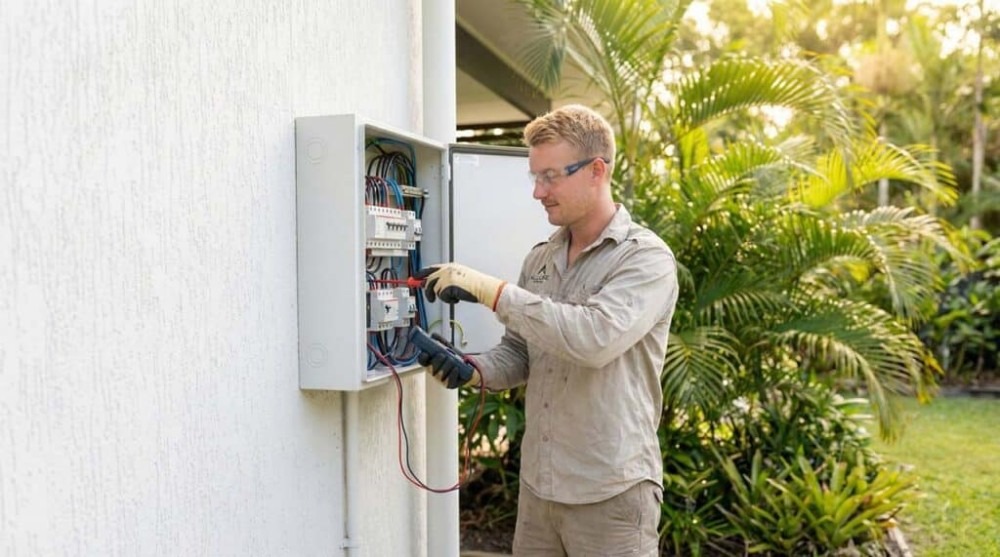
Code compliance protects homeowners from electrical hazards and ensures their electrical systems will pass inspections. We explain code requirements to homeowners and ensure all work meets or exceeds these standards.
Modern Electrical Solutions for Today’s Homes
The residential electrical field continues expanding with new technologies and changing home energy needs. We adapt traditional electrical skills to meet contemporary requirements.
Electric Vehicle Charging Stations
EV charging station installations represent a growing area of residential electrical work. These installations require dedicated circuits, proper grounding, and compliance with specific electrical codes for EV charging equipment.
We evaluate homes for EV charging readiness and install appropriate charging solutions. This work often includes electrical panel upgrades to provide adequate capacity for vehicle charging.
Smart Home Technologies
Smart home systems require specialized knowledge of low-voltage wiring, network connections, and integration with existing electrical systems. We install smart switches, outlets, and other devices that enhance home automation.
Smart electrical devices often require specific wiring configurations and network connections. We ensure these installations work properly with existing electrical systems and home networks.
Energy Efficiency Upgrades
Energy efficiency improvements often involve electrical work. We install LED lighting systems, programmable thermostats, and other electrical devices that help homeowners reduce energy consumption.
These upgrades frequently require circuit modifications or new electrical connections. We ensure energy efficiency improvements integrate properly with existing electrical systems.
How Residential Electricians Differ from General Contractors
Understanding the distinction between residential electricians and general contractors helps homeowners choose the right professional for their needs.
Specialized Training and Licensing
Residential electricians complete specific electrical training programs and obtain electrical licenses. General contractors typically have broader construction knowledge but may lack specialized electrical expertise.
Electrical licensing requirements include formal education, apprenticeships, and ongoing continuing education. We maintain current licenses and stay updated on electrical codes and safety requirements.
Safety Protocols and Expertise
Electrical work involves unique safety hazards that require specialized knowledge and equipment. We follow specific safety protocols designed for electrical work and use specialized tools and testing equipment.
General contractors may not have the same level of electrical safety training or specialized equipment. For electrical work, using qualified residential electricians ensures proper safety procedures and code compliance.
Comprehensive System Knowledge
Residential electricians understand how entire electrical systems work together. We consider load calculations, circuit protection, grounding systems, and other factors that affect overall system performance and safety.
This comprehensive understanding allows us to identify potential problems and design electrical solutions that work properly with existing systems. General contractors may not have this specialized system knowledge.
When to Call a Professional Residential Electrician
Recognizing when to contact qualified residential electricians helps homeowners maintain safe electrical systems and avoid potential hazards.
Here are the top situations that require professional electrical service:
- Frequent circuit breaker trips or blown fuses
- Flickering or dimming lights throughout the home
- Electrical outlets that feel warm or show scorch marks
- Burning smells from electrical panels or outlets
- Electrical shocks from appliances or switches
- GFCI outlets that won’t reset or trip frequently
- Home additions or major appliance installations
- Electrical systems over 20 years old
Planning Electrical Upgrades
Major home improvements often require electrical upgrades. We work with homeowners to plan electrical systems that support their renovation goals while meeting current electrical codes.
Kitchen and bathroom remodels typically require significant electrical work. We install new circuits, outlets, and lighting to support modern appliances and meet current code requirements for these areas.
Routine Maintenance and Inspections
Regular electrical maintenance helps prevent problems and ensures continued safe operation. We recommend annual electrical inspections to identify potential issues before they become serious problems.
Our First-Class Membership program includes annual whole-home electrical safety inspections. These comprehensive evaluations help homeowners maintain safe, reliable electrical systems.
The Reed Electrical Services Approach to Residential Electrical Work
At Reed Electrical Services, our approach to residential electrical work emphasizes thorough diagnostics, proper safety protocols, and transparent communication with homeowners.
| Service Aspect | Our Approach | Benefits to Homeowners |
| Diagnostics | Comprehensive system evaluation | Accurate problem identification |
| Safety | Strict adherence to safety protocols | Protection from electrical hazards |
| Communication | Clear explanations of electrical issues | Informed decision-making |
| Code Compliance | All work meets current electrical codes | Safe, legal electrical systems |
| Follow-up | Ongoing support and maintenance options | Long-term electrical system reliability |
Thorough Electrical System Diagnostics
When we respond to electrical problems, we don’t just fix immediate symptoms. We conduct thorough diagnostics to identify underlying issues that might cause future problems.
This comprehensive approach often reveals multiple issues that need attention. We prioritize repairs based on safety concerns and help homeowners plan for necessary electrical system improvements.
Transparent Communication About Electrical Issues
We believe homeowners should understand their electrical systems and any problems we discover. We explain electrical issues in clear terms and discuss available solutions.
Our transparent approach helps homeowners make informed decisions about electrical repairs and upgrades. We provide detailed estimates and explain why specific work is necessary for safety or code compliance.
Safety-First Approach to All Electrical Work
Safety considerations guide every aspect of our electrical work. We use proper safety equipment, follow established safety procedures, and ensure all installations meet current safety standards.
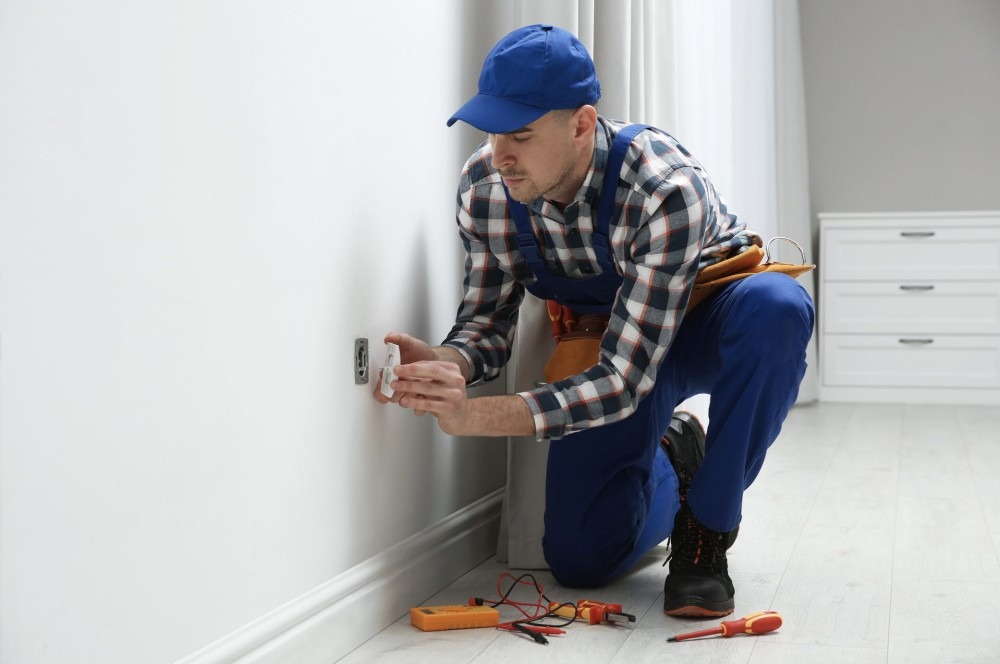
This safety-first approach protects both our technicians and homeowners. We never compromise on safety to save time or reduce costs.
Professional Development and Continuing Education
The electrical field continues evolving with new technologies, updated codes, and improved safety practices. We maintain current knowledge through ongoing professional development.
Continuing education requirements for electrical licensing ensure we stay updated on code changes and new technologies. We exceed minimum requirements to provide the best possible service to our customers.
Professional development also includes training on new electrical products and installation techniques. We regularly update our knowledge and skills to provide modern electrical solutions.
Quality Assurance and Customer Satisfaction
Quality electrical work requires attention to detail, proper materials, and adherence to established procedures. We maintain high standards for all electrical installations and repairs.
Our quality assurance procedures include thorough testing of all electrical work before considering jobs complete. We verify the proper operation and safety of all installations.
Customer satisfaction depends on quality work, clear communication, and reliable service. We stand behind our work and provide ongoing support for all electrical installations.
Building Long-Term Relationships with Homeowners
What is a residential electrician in terms of customer relationships? We view ourselves as long-term partners in maintaining safe, functional home electrical systems.
Building lasting relationships means being available when homeowners need electrical service and providing consistent, reliable work. We develop an understanding of each home’s electrical systems and history.
Long-term relationships also allow us to help homeowners plan for future electrical needs. We provide guidance on electrical system improvements and help prioritize electrical projects.
Ready to Experience Professional Residential Electrical Service?
Understanding what a residential electrician is and what a residential electrician does helps you recognize the value of professional electrical service. At Reed Electrical Services, we bring years of experience and expertise to every electrical project in the South Chicagoland area.
Our licensed technicians are ready to handle all your residential electrical needs, from routine maintenance to complex installations. Reed Electrical Services provides the thorough diagnostics, safety protocols, and transparent communication that define professional electrical service.
Whether you need emergency repairs, electrical upgrades, or routine safety inspections, we’re here to help. Contact us today to schedule your electrical service and experience the Reed Electrical Services difference.