When to Call an Electrician (5 Must-Know Scenarios)

Electrical problems in your home aren’t just inconvenient – they can be downright dangerous. At Reed Electrical Services, we’ve seen countless situations where homeowners tried to handle electrical issues themselves, often making the problem worse or putting their families at risk. 

Since 2017, we’ve specialized in helping Palos Hills residents and South Chicagoland homeowners recognize when to call an electrician before minor issues become major hazards.

Understanding the warning signs that require immediate professional attention can protect your property, your family, and potentially save your life. We’ve identified five critical scenarios where attempting DIY repairs isn’t just inadvisable –  it’s dangerous. Let’s explore these situations and help you recognize when it’s time to put down the tools and pick up the phone.

The Importance of Recognizing Electrical Warning Signs

Electrical systems are complex networks that power our daily lives, but they can also pose serious threats when something goes wrong. 

As licensed technicians who’ve handled everything from simple flickering lights to complex emergency diagnostics, we understand that many homeowners struggle to determine when to call an electrician versus when they can handle repairs themselves.

The key difference lies in understanding which symptoms indicate immediate danger. Some electrical issues might seem minor on the surface, but actually signal serious underlying problems that could lead to fires, electrocution, or extensive property damage. 

An experienced and professional residential electrician will always be able to find the root of the problem and solve it adequately, while a layman can often make the situation even worse and more dangerous.

Our experience has taught us that homeowners who learn to recognize these warning signs early often avoid costly emergency repairs and, more importantly, keep their families safe. Let’s examine the five scenarios that should always prompt an immediate call to professional electricians.

Scenario 1: Persistent Flickering Lights Throughout Your Home

When lights flicker occasionally, it might not seem alarming. However, persistent flickering, especially when it affects multiple rooms or occurs without obvious triggers like turning on large appliances, signals a serious electrical problem that requires professional attention.

Warning signs that indicate you need to call an electrician:

  • Lights dim or flicker when you turn on appliances
  • Multiple light fixtures flicker simultaneously
  • Flickering occurs in rooms throughout the house, not just one area
  • LED bulbs flicker despite being relatively new
  • Fluorescent lights flicker more frequently than normal

Flickering lights often indicate problems with your electrical panel, loose connections, or overloaded circuits. These issues can generate heat, leading to fires if left unaddressed. We’ve responded to numerous emergency calls where homeowners ignored flickering lights until they noticed burning smells or experienced complete power outages.

At Reed Electrical Services, our diagnostic approach helps identify whether flickering results from simple bulb issues or more complex wiring problems. Our whole-home electrical safety inspections often reveal underlying causes that aren’t immediately obvious, such as loose connections in junction boxes or problems with your main electrical panel.

The danger of DIY attempts with flickering lights lies in the complexity of potential causes. What appears to be a simple fixture problem might actually stem from serious wiring issues that require professional tools and expertise to diagnose safely.

Scenario 2: Burning Smells from Outlets, Switches, or Electrical Panels

A burning smell near any electrical component represents an immediate fire hazard that demands instant professional attention. This scenario represents one of the clearest examples of when to call an electrician without delay – preferably after shutting off power to the affected area if you can do so safely.

Burning smells from electrical sources typically indicate overheating components, which can ignite surrounding materials within minutes or hours. These odors might smell like burning plastic, rubber, or even metallic scents that seem unusual.

Common sources of electrical burning smells include:

  • Outlets that feel warm to the touch
  • Light switches that generate heat
  • Electrical panels with unusual odors
  • Extension cords that smell burnt
  • Appliance connections that emit burning scents
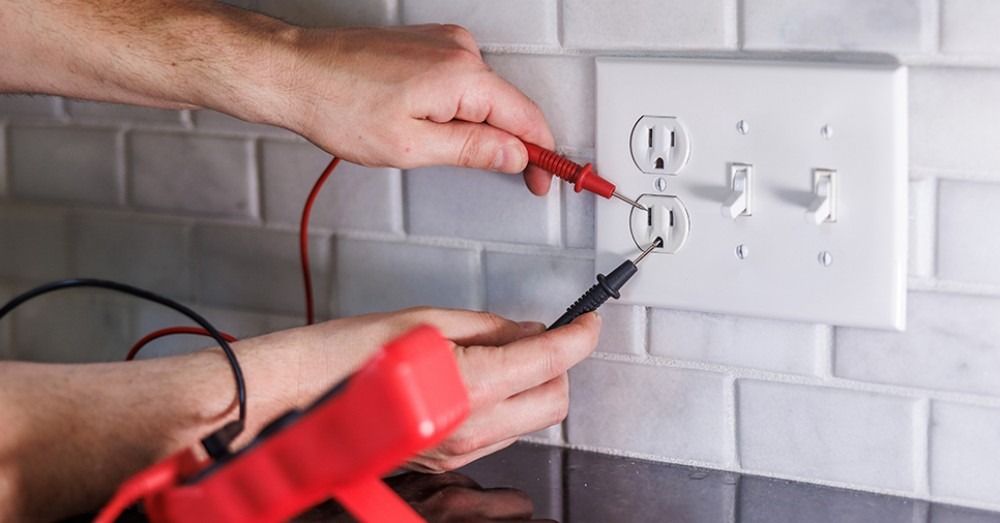
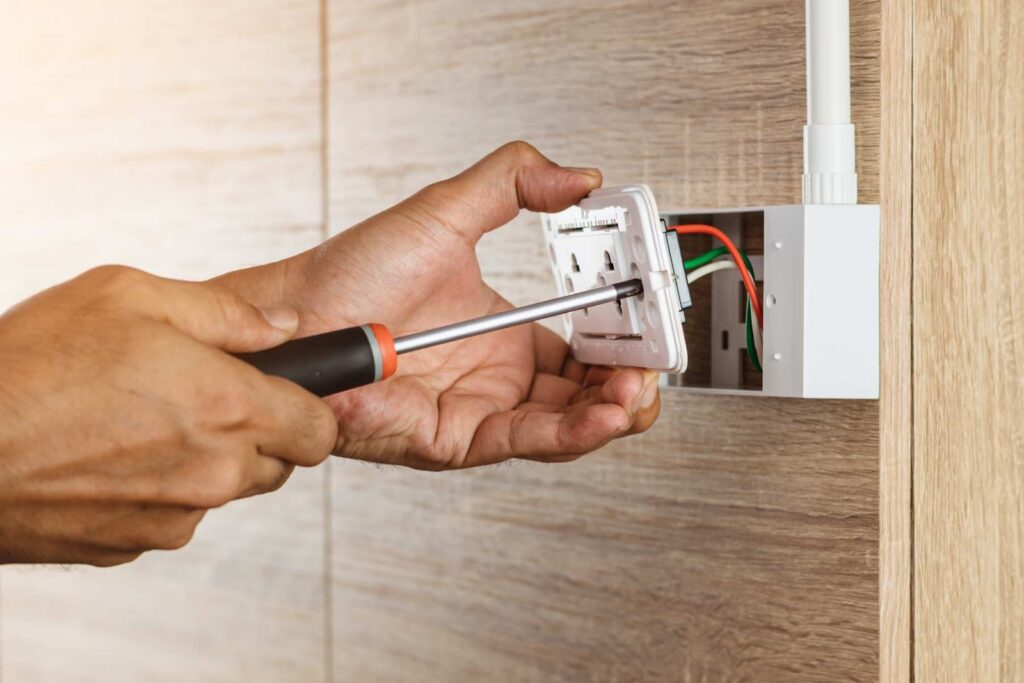
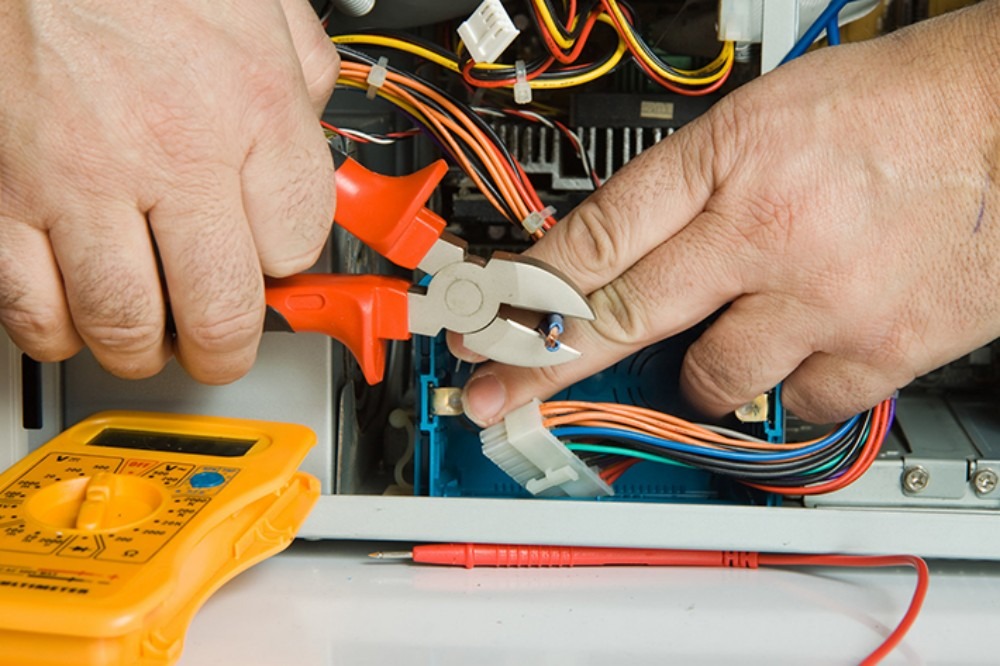
Checking the integrity of a broken outlet.

We’ve handled emergency calls where burning smells preceded actual fires by mere hours. In these situations, quick professional intervention often prevents catastrophic damage and potential injuries.

Our emergency diagnostic services include thermal imaging equipment that can identify hot spots in your electrical system before they become visible problems. This technology helps us locate overheating components that might not yet produce obvious burning smells but pose future fire risks.

Never attempt to investigate burning electrical smells yourself by removing outlet covers or opening electrical panels. These areas contain live wires that can cause serious injury or death, especially when components are already overheating.

Immediate Steps When You Smell BurningWhat NOT to Do
Turn off the power at the breaker if safe to do soDon’t remove outlet covers or switch plates
Evacuate the area if the smell is strongDon’t use water on electrical fires
Call Reed Electrical Services immediatelyDon’t ignore intermittent burning smells
Avoid using electrical components in affected areasDon’t assume the problem will resolve itself

Scenario 3: Frequent Circuit Breaker Trips

Circuit breakers protect your home by shutting off power when circuits become overloaded. However, breakers that trip frequently indicate serious problems that require professional evaluation to determine when to call an electrician versus when you might have simple overload issues.

Occasional breaker trips, especially when you’re running multiple high-power appliances simultaneously, might not indicate serious problems. However, frequent trips, trips that occur without obvious causes, or breakers that immediately trip after being reset signal dangerous conditions.

Red flags that require immediate professional attention:

  1. Breakers trip repeatedly, even after reducing the electrical load
  2. Multiple breakers trip simultaneously
  3. Breakers feel hot to the touch
  4. Burning smell near the electrical panel
  5. Breakers trip when you use specific outlets or appliances
  6. Old breakers that make unusual sounds when they trip

Frequent breaker trips often indicate overloaded circuits, short circuits, or ground faults – all potentially dangerous conditions. Short circuits, in particular, can generate intense heat and sparks that ignite fires almost immediately.

We’ve encountered situations where homeowners repeatedly reset tripping breakers without addressing underlying causes, eventually leading to damaged wiring, burnt outlets, or electrical fires. Our diagnostic expertise helps identify whether frequent trips result from simple overloads or more serious wiring problems.
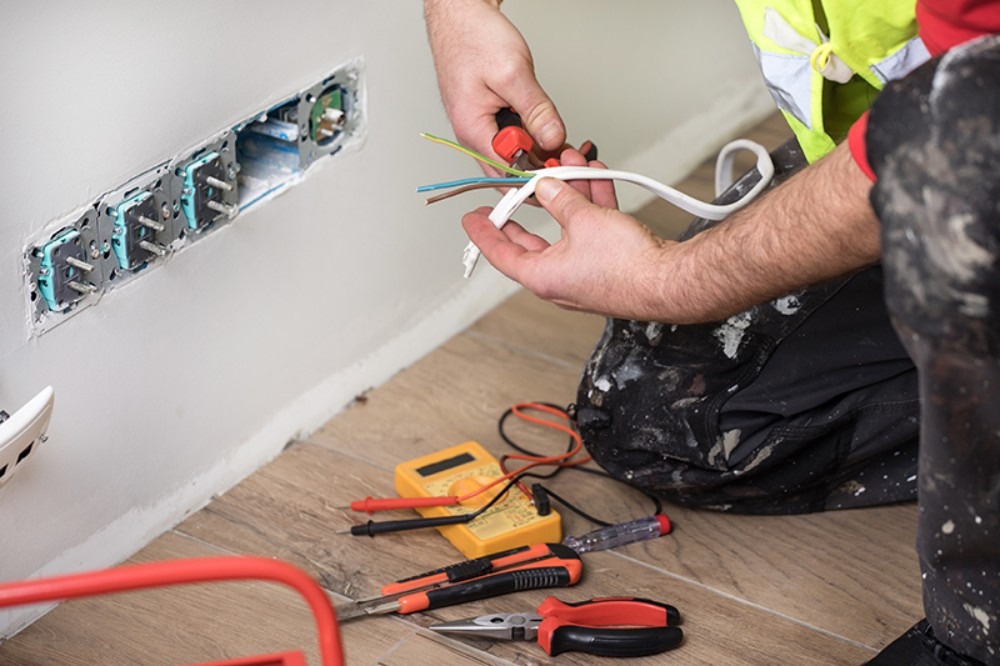
Using professional equipment for installing home outlets.

Our licensed technicians use specialized equipment to measure electrical loads, test circuit integrity, and identify problems that cause breakers to trip. This comprehensive approach ensures we address root causes rather than just symptoms.

Scenario 4: Sparking Outlets or Electrical Connections

Sparks from electrical outlets or connections represent immediate fire and electrocution hazards. Any visible sparking indicates when to call an electrician immediately – this situation never represents a safe DIY repair opportunity. This is a serious situation that should only be handled by a professional, such as a specialised licensed commercial electrician.

Small sparks when you plug in appliances occasionally occur due to normal electrical arcing, but continuous sparking, large sparks, or sparks accompanied by burning smells indicate serious problems requiring immediate professional attention.

Dangerous sparking scenarios include:

  • Sparks that continue after plugging in devices
  • Large or bright sparks from any electrical connection
  • Sparks accompanied by popping or crackling sounds
  • Sparks from light switches or outlet faces
  • Any sparking from electrical panels or junction boxes

Sparking typically results from loose connections, damaged wiring, or electrical components that have degraded over time. These conditions create electrical arcs that generate intense heat and can ignite nearby materials instantly.

At Reed Electrical Services, we treat sparking outlets as emergencies requiring immediate response. Our technicians carry equipment designed to safely diagnose and repair sparking connections while minimizing fire and electrocution risks.

The danger of attempting DIY repairs on sparking electrical components cannot be overstated. Live electrical connections that are already malfunctioning pose extreme risks to anyone without proper training and safety equipment.

Scenario 5: Electrical Shocks from Appliances or Switches

Experiencing electrical shocks from appliances, light switches, or any electrical components indicates serious grounding problems or wiring faults that demand immediate professional attention. This scenario clearly defines when to call an electrician without any hesitation.

Normal electrical systems should never cause shocks under any circumstances. When you feel electrical shocks, it means electrical current is traveling through paths where it shouldn’t – potentially including through your body to the ground.

Types of electrical shocks that require immediate professional response:

  • Shocks from light switches or outlet covers
  • Shocks when touching appliances
  • Shocks from metal fixtures or electrical boxes
  • Static-like shocks that seem stronger than normal
  • Shocks that occur consistently rather than occasionally

Electrical shocks often indicate problems with grounding systems, damaged wiring insulation, or faulty electrical connections. These conditions pose serious electrocution risks and can worsen quickly without professional intervention.

We’ve responded to emergency calls where electrical shocks preceded more serious electrical failures, including complete system malfunctions and electrical fires. Early professional intervention in these cases often prevents more dangerous situations.

Our comprehensive electrical safety assessments include grounding system tests and insulation integrity checks that identify shock hazards before they cause injuries. These preventive measures help ensure your electrical system operates safely.

Shock Severity LevelImmediate Action RequiredProfessional Response Needed
Mild tingle sensationStop using affected componentsSchedule a same-day service call
Noticeable shock feelingTurn off the power to the affected circuitsEmergency service within hours
Strong shock or painEvacuate the area if safe to do soImmediate emergency response
Shock with a burning smellCall the fire department if necessaryCritical emergency intervention

Understanding the Risks of DIY Electrical Work

Many homeowners underestimate the dangers associated with electrical repairs. Unlike plumbing or basic carpentry, electrical work involves invisible hazards that can cause immediate injury or death. Understanding these risks helps explain when to call an electrician rather than attempting repairs yourself.

Electrical current doesn’t provide visual warnings before it injures or kills. Live wires look identical to dead wires, and electrical panels can contain lethal voltage even when individual circuits are turned off. These hidden dangers require specialized knowledge and safety equipment to navigate safely.

Common DIY electrical mistakes include:

  • Working on live circuits without proper safety procedures
  • Misidentifying wire functions and creating dangerous connections
  • Using incorrect materials that don’t meet electrical codes
  • Creating fire hazards through improper connections
  • Damaging existing wiring while attempting repairs

At Reed Electrical Services, we’ve seen numerous cases where DIY electrical attempts created more extensive problems than the original issues. These situations often result in higher repair costs and increased safety risks for families.
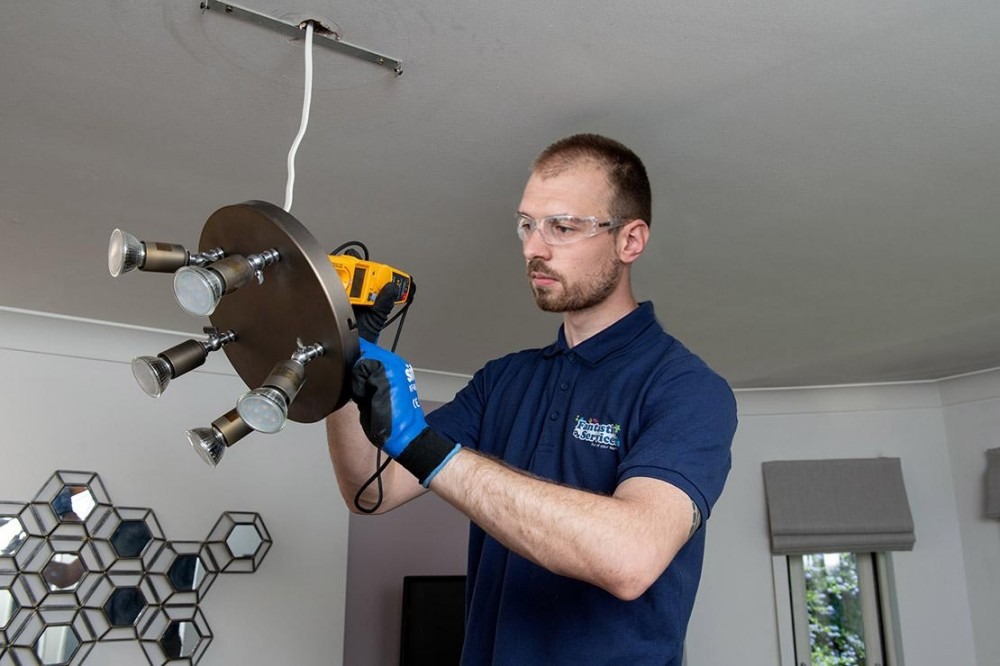
An electrician repairs lighting in a house.

Our licensed technicians undergo extensive training in electrical safety procedures and maintain current knowledge of electrical codes and best practices. This expertise ensures repairs are completed safely and correctly the first time.

Reed Electrical’s Emergency Response and Safety Assessment Services

When you face any of these five critical scenarios, Reed Electrical Services provides the rapid response and expert diagnostics you need to protect your family and property. Our emergency electrical diagnostic services are designed specifically for situations that require immediate professional intervention.

Our First-Class Membership program addresses urgent electrical needs with extended service hours from 7 AM to 7 PM and waived diagnostic fees. This program ensures you can quickly access professional expertise when electrical problems arise, without worrying about additional costs for emergency diagnostics.

Benefits of our emergency response services:

  • Licensed technicians available during extended hours
  • Transparent pricing that eliminates guesswork for emergency calls
  • Advanced diagnostic equipment, including thermal imaging
  • Comprehensive safety assessments that identify hidden hazards
  • Honest evaluations about whether issues require immediate attention

Our relationship-driven service approach means we provide honest assessments about your electrical concerns. We’ll tell you when problems require immediate professional attention and when issues might be manageable with simple solutions.

Preventive Measures and Regular Safety Inspections

While recognizing emergencies helps you know when to call an electrician for urgent problems, preventive measures can help you avoid many electrical emergencies entirely. Our whole-home electrical safety inspections help clients understand their systems and recognize future warning signs before they become emergencies.

Regular electrical safety inspections typically identify potential problems such as:

  • Aging wiring that may fail soon
  • Overloaded circuits that could cause breaker trips
  • Loose connections that might generate heat
  • Grounding problems that could cause shocks
  • Electrical code violations that create safety hazards

These inspections provide valuable peace of mind and often prevent costly emergency repairs. By identifying potential problems early, we can schedule convenient repair appointments rather than responding to urgent situations.

Our comprehensive approach to electrical safety education helps homeowners understand their electrical systems better, enabling them to recognize warning signs and maintain safer homes.

Don’t Wait for Electrical Emergencies to Strike

Electrical problems don’t improve on their own – they typically worsen over time and eventually create dangerous situations that threaten your family’s safety. 

At Reed Electrical Services, we’re committed to providing South Chicagoland residents with the rapid response and expert diagnostics they need when electrical emergencies arise.

Remember, knowing when to call an electrician can prevent minor issues from becoming major hazards. If you’re experiencing any of the five scenarios we’ve discussed, don’t hesitate to seek professional help immediately.

Licensed technicians in Reed Electrical Services are ready to respond to your electrical emergencies with the expertise and safety focus that has made us the trusted choice for electrical services in the Palos Hills area and throughout South Chicagoland.

It’s always better to be safe at all times, which is why you can contact us today to schedule your emergency diagnostic service or learn more about our First-Class Membership program.

Read More

What is a Residential Electrician & What are Their Duties

When homeowners face electrical issues or plan home improvements, understanding what a residential electrician is becomes essential. At Reed Electrical Services, we’ve been helping South Chicagoland residents since 2017 understand the vital role residential electricians play in maintaining safe, functional homes.

A residential electrician is a licensed professional who specializes in electrical systems within homes and residential properties. Unlike commercial or industrial electricians, we focus specifically on the unique challenges and requirements of residential electrical work, from basic outlet installations to complex electrical panel upgrades.

Understanding the Role of a Residential Electrician

What does a residential electrician do on a daily basis? The answer encompasses a wide range of specialized tasks that require extensive training, licensing, and ongoing education. We work with the electrical systems that power every aspect of modern home life. This is quite different from the work of a professional commercial electrician, who typically works with much more complex systems.

Residential electricians complete formal training programs and obtain state licensing to work on home electrical systems safely and legally. This education covers electrical theory, safety protocols, local building codes, and hands-on experience with residential wiring systems.

At Reed Electrical Services, our licensed technicians bring years of experience to every job. We understand that residential electrical work requires not just technical expertise, but also clear communication with homeowners about their electrical systems and any issues we discover.

The residential electrical field continues to evolve with new technologies, from smart home systems to electric vehicle charging stations. We stay current with these developments to provide modern solutions while maintaining the safety-first approach that defines professional electrical service.

Core Duties and Responsibilities of Residential Electricians

Understanding what a residential electrician does requires looking at our primary responsibilities. These duties form the foundation of professional residential electrical service.

Electrical Panel Upgrades and Installations

One of our most important responsibilities involves electrical panel work. Modern homes require electrical panels that can safely handle today’s electrical demands. We assess existing panels, recommend upgrades when necessary, and install new panels that meet current electrical codes.

Electrical panel upgrades often become necessary when homeowners add new appliances, expand their homes, or experience frequent circuit breaker trips. We evaluate the home’s electrical needs and install panels with adequate capacity for safe operation.

Circuit Installations and Modifications

Circuit work represents another core area of residential electrical service. We install new circuits for home additions, upgraded appliances, or areas that need additional electrical capacity. This work requires careful planning to ensure proper load distribution and safety.

Circuit modifications also fall under our expertise. When homeowners remodel kitchens, bathrooms, or other areas, we modify existing circuits or install new ones to meet updated electrical codes and usage requirements.

Outlet and Switch Services

Daily residential electrical work frequently involves outlet and switch installations, replacements, and upgrades. We install standard outlets, GFCI outlets for wet locations, USB outlets, and specialized outlets for specific appliances.

Switch work includes installing dimmer switches, smart switches, three-way switches, and troubleshooting switch problems. These seemingly simple tasks require proper wiring knowledge and adherence to safety protocols.

Lighting Installations and Repairs

Lighting work encompasses both indoor and outdoor installations. We install ceiling fans, chandeliers, recessed lighting, landscape lighting, and security lighting systems. Each type of lighting installation has specific requirements for mounting, wiring, and switch controls.

A residential electrician is working on installing lighting in a home.

Lighting repairs often reveal underlying electrical issues. When we troubleshoot lighting problems, we check connections, switches, and circuits to identify and resolve the root cause of the problem.

Electrical Safety Inspections

Safety inspections represent one of our most valuable services. We conduct comprehensive evaluations of home electrical systems to identify potential hazards, code violations, or systems that need updating.

During safety inspections, we examine electrical panels, wiring, outlets, switches, and other system components. We provide homeowners with detailed reports and recommendations for any necessary repairs or upgrades.

The Detailed Breakdown: What Does a Residential Electrician Do?

To fully answer what a residential electrician does, we need to examine our daily activities and specialized services in greater detail.

Service CategorySpecific TasksFrequency
Electrical PanelsUpgrades, installations, and troubleshootingWeekly
Wiring ServicesNew installations, repairs, and code updatesDaily
Outlet/Switch WorkInstallations, replacements, GFCI upgradesDaily
Lighting SolutionsIndoor/outdoor installations, repairsDaily
Safety InspectionsWhole-home evaluations, code compliance checksWeekly
Emergency RepairsPower outages, electrical hazards, urgent fixesAs needed

Emergency Electrical Repairs

Emergency situations require immediate response from qualified residential electricians. We handle power outages, electrical fires, exposed wiring, and other hazardous situations that threaten home safety.

Emergency repairs often occur outside normal business hours. At Reed Electrical Services, our First-Class Membership program includes extended service hours to address urgent electrical problems when they arise.

Troubleshooting Electrical Problems

Problem-solving forms a major part of our daily work. When homeowners experience electrical issues, we use systematic diagnostic procedures to identify problems and develop solutions.

Troubleshooting requires understanding how residential electrical systems work together. We trace circuits, test connections, and use specialized equipment to locate problems that aren’t immediately visible.

Code Compliance and Safety Standards

Ensuring all electrical work meets current codes represents a fundamental responsibility. Electrical codes change over time, and we stay updated on these changes to ensure all installations and repairs comply with current standards.

An electrician is checking the electrical system in a home.

Code compliance protects homeowners from electrical hazards and ensures their electrical systems will pass inspections. We explain code requirements to homeowners and ensure all work meets or exceeds these standards.

Modern Electrical Solutions for Today’s Homes

The residential electrical field continues expanding with new technologies and changing home energy needs. We adapt traditional electrical skills to meet contemporary requirements.

Electric Vehicle Charging Stations

EV charging station installations represent a growing area of residential electrical work. These installations require dedicated circuits, proper grounding, and compliance with specific electrical codes for EV charging equipment.

We evaluate homes for EV charging readiness and install appropriate charging solutions. This work often includes electrical panel upgrades to provide adequate capacity for vehicle charging.

Smart Home Technologies

Smart home systems require specialized knowledge of low-voltage wiring, network connections, and integration with existing electrical systems. We install smart switches, outlets, and other devices that enhance home automation.

Smart electrical devices often require specific wiring configurations and network connections. We ensure these installations work properly with existing electrical systems and home networks.

Energy Efficiency Upgrades

Energy efficiency improvements often involve electrical work. We install LED lighting systems, programmable thermostats, and other electrical devices that help homeowners reduce energy consumption.

These upgrades frequently require circuit modifications or new electrical connections. We ensure energy efficiency improvements integrate properly with existing electrical systems.

How Residential Electricians Differ from General Contractors

Understanding the distinction between residential electricians and general contractors helps homeowners choose the right professional for their needs.

Specialized Training and Licensing

Residential electricians complete specific electrical training programs and obtain electrical licenses. General contractors typically have broader construction knowledge but may lack specialized electrical expertise.

Electrical licensing requirements include formal education, apprenticeships, and ongoing continuing education. We maintain current licenses and stay updated on electrical codes and safety requirements.

Safety Protocols and Expertise

Electrical work involves unique safety hazards that require specialized knowledge and equipment. We follow specific safety protocols designed for electrical work and use specialized tools and testing equipment.

General contractors may not have the same level of electrical safety training or specialized equipment. For electrical work, using qualified residential electricians ensures proper safety procedures and code compliance.

Comprehensive System Knowledge

Residential electricians understand how entire electrical systems work together. We consider load calculations, circuit protection, grounding systems, and other factors that affect overall system performance and safety.

This comprehensive understanding allows us to identify potential problems and design electrical solutions that work properly with existing systems. General contractors may not have this specialized system knowledge.

When to Call a Professional Residential Electrician

Recognizing when to contact qualified residential electricians helps homeowners maintain safe electrical systems and avoid potential hazards.

Here are the top situations that require professional electrical service:

  1. Frequent circuit breaker trips or blown fuses
  2. Flickering or dimming lights throughout the home
  3. Electrical outlets that feel warm or show scorch marks
  4. Burning smells from electrical panels or outlets
  5. Electrical shocks from appliances or switches
  6. GFCI outlets that won’t reset or trip frequently
  7. Home additions or major appliance installations
  8. Electrical systems over 20 years old

Planning Electrical Upgrades

Major home improvements often require electrical upgrades. We work with homeowners to plan electrical systems that support their renovation goals while meeting current electrical codes.

Kitchen and bathroom remodels typically require significant electrical work. We install new circuits, outlets, and lighting to support modern appliances and meet current code requirements for these areas.

Routine Maintenance and Inspections

Regular electrical maintenance helps prevent problems and ensures continued safe operation. We recommend annual electrical inspections to identify potential issues before they become serious problems.

Our First-Class Membership program includes annual whole-home electrical safety inspections. These comprehensive evaluations help homeowners maintain safe, reliable electrical systems.

The Reed Electrical Services Approach to Residential Electrical Work

At Reed Electrical Services, our approach to residential electrical work emphasizes thorough diagnostics, proper safety protocols, and transparent communication with homeowners.

Service AspectOur ApproachBenefits to Homeowners
DiagnosticsComprehensive system evaluationAccurate problem identification
SafetyStrict adherence to safety protocolsProtection from electrical hazards
CommunicationClear explanations of electrical issuesInformed decision-making
Code ComplianceAll work meets current electrical codesSafe, legal electrical systems
Follow-upOngoing support and maintenance optionsLong-term electrical system reliability

Thorough Electrical System Diagnostics

When we respond to electrical problems, we don’t just fix immediate symptoms. We conduct thorough diagnostics to identify underlying issues that might cause future problems.

This comprehensive approach often reveals multiple issues that need attention. We prioritize repairs based on safety concerns and help homeowners plan for necessary electrical system improvements.

Transparent Communication About Electrical Issues

We believe homeowners should understand their electrical systems and any problems we discover. We explain electrical issues in clear terms and discuss available solutions.

Our transparent approach helps homeowners make informed decisions about electrical repairs and upgrades. We provide detailed estimates and explain why specific work is necessary for safety or code compliance.

Safety-First Approach to All Electrical Work

Safety considerations guide every aspect of our electrical work. We use proper safety equipment, follow established safety procedures, and ensure all installations meet current safety standards.

A residential electrician is installing an outlet.

This safety-first approach protects both our technicians and homeowners. We never compromise on safety to save time or reduce costs.

Professional Development and Continuing Education

The electrical field continues evolving with new technologies, updated codes, and improved safety practices. We maintain current knowledge through ongoing professional development.

Continuing education requirements for electrical licensing ensure we stay updated on code changes and new technologies. We exceed minimum requirements to provide the best possible service to our customers.

Professional development also includes training on new electrical products and installation techniques. We regularly update our knowledge and skills to provide modern electrical solutions.

Quality Assurance and Customer Satisfaction

Quality electrical work requires attention to detail, proper materials, and adherence to established procedures. We maintain high standards for all electrical installations and repairs.

Our quality assurance procedures include thorough testing of all electrical work before considering jobs complete. We verify the proper operation and safety of all installations.

Customer satisfaction depends on quality work, clear communication, and reliable service. We stand behind our work and provide ongoing support for all electrical installations.

Building Long-Term Relationships with Homeowners

What is a residential electrician in terms of customer relationships? We view ourselves as long-term partners in maintaining safe, functional home electrical systems.

Building lasting relationships means being available when homeowners need electrical service and providing consistent, reliable work. We develop an understanding of each home’s electrical systems and history.

Long-term relationships also allow us to help homeowners plan for future electrical needs. We provide guidance on electrical system improvements and help prioritize electrical projects.

Ready to Experience Professional Residential Electrical Service?

Understanding what a residential electrician is and what a residential electrician does helps you recognize the value of professional electrical service. At Reed Electrical Services, we bring years of experience and expertise to every electrical project in the South Chicagoland area.

Our licensed technicians are ready to handle all your residential electrical needs, from routine maintenance to complex installations. Reed Electrical Services provides the thorough diagnostics, safety protocols, and transparent communication that define professional electrical service.

Whether you need emergency repairs, electrical upgrades, or routine safety inspections, we’re here to help. Contact us today to schedule your electrical service and experience the Reed Electrical Services difference.

Read More

What is a Journeyman Electrician & What is Their Field of Expertise? [Detailed Dive]

When you need electrical work done in your home or business, understanding the different levels of electrician expertise can help you make the right hiring decision. The role of a journeyman electrician is often a key point of interest for homeowners seeking reliable electrical services, and for good reason.

A journeyman electrician represents the middle tier of electrical professionals, positioned between apprentices and master electricians. These skilled tradespeople have completed extensive training and gained significant hands-on experience, making them qualified to work independently on most electrical projects.

At Reed Electrical Services, we embody the skilled craftsmanship and comprehensive knowledge that define this professional tier. Since our founding by Peter Reed in 2017, we’ve demonstrated the hallmark characteristics of journeyman electricians through our extensive field experience across both residential and commercial electrical systems in South Chicagoland.

Understanding the Journeyman Electrician Level

The term “journeyman” comes from the traditional guild system, where skilled craftspeople would “journey” from job to job, working for different masters to perfect their trade. In modern electrical work, this title carries significant meaning and represents a specific level of competency and legal authorization.

Journeyman electricians have moved beyond the learning phase of apprenticeship but haven’t yet reached the master level that allows them to run their own contracting business or train apprentices. This middle ground represents a sweet spot of experience, skill, and cost-effectiveness for most electrical projects.

We at Reed Electrical Services understand that homeowners want to know they’re hiring qualified professionals. Our technicians possess the advanced training and licensing credentials typical of journeyman electricians, enabling them to handle complex installations, troubleshooting, and electrical system diagnostics independently.

Training Requirements for Journeyman Electricians

Becoming a journeyman electrician requires a substantial investment in education and practical experience. The path typically involves several key stages that ensure comprehensive competency.

Most states require completion of an apprenticeship program lasting four years. During this time, future journeymen work under the supervision of experienced electricians while attending classroom instruction. This combination provides both theoretical knowledge and practical skills.

The apprenticeship includes approximately 8,000 hours of on-the-job training. This extensive hands-on experience covers residential, commercial, and industrial electrical systems. Apprentices learn to work with various voltage levels, understand electrical codes, and master safety protocols.

Classroom instruction typically totals 144 hours per year during the apprenticeship. These courses cover electrical theory, code requirements, blueprint reading, and specialized applications. The academic component ensures that future journeyman electricians understand the science behind their craft.

Here’s the typical progression path for becoming a journeyman electrician:

  1. High school diploma or equivalent – Basic educational foundation
  2. Trade school or community college – Optional but beneficial pre-apprenticeship education
  3. Apprenticeship application and acceptance – Competitive process with testing and interviews
  4. Four-year apprenticeship program – Combination of work experience and classroom learning
  5. Journeyman licensing exam – Comprehensive test covering electrical codes and practices
  6. State licensing and registration – Legal authorization to work independently
  7. Continuing education requirements – Ongoing training to maintain licensing

Licensing Credentials and Legal Authorization

Journeyman electricians must obtain proper licensing to work legally in their jurisdiction. This licensing process ensures that they meet minimum competency standards and understand current electrical codes.

The licensing exam covers the National Electrical Code (NEC), local electrical codes, and electrical theory. Passing this comprehensive test demonstrates that the electrician understands safe practices and legal requirements.

Most states require continuing education to maintain journeyman licenses. This ensures that journeyman electricians stay current with code changes, new technologies, and evolving safety standards.

At Reed Electrical Services, our commitment to proper licensing and ongoing education reflects the professional integrity expected of journeyman-level practitioners. We can accurately assess electrical problems and provide reliable solutions because we maintain current credentials and stay updated on industry developments.

Scope of Work: What Journeyman Electricians Can Do

The scope of work for journeyman electricians is extensive, covering most electrical installations, repairs, and maintenance tasks. Understanding these capabilities helps homeowners know when they need this level of expertise.

Journeyman electricians can work independently without direct supervision on most projects. This independence means faster project completion and more efficient service delivery for customers.

Residential ServicesCommercial Services
Panel upgrades and replacementsCommercial lighting systems
Outlet and switch installationEmergency lighting systems
Ceiling fan installationSecurity system wiring
GFCI and AFCI protectionFire alarm systems
Electrical troubleshootingMotor controls and starters

These professionals handle complex installations that require a deep understanding of electrical principles. Unlike apprentices, they don’t need constant supervision and can make independent decisions about installation methods and problem-solving approaches.

Journeyman electricians are also qualified to pull electrical permits in most jurisdictions. This ability streamlines the permit process and ensures that work meets inspection requirements.

Technical Capabilities and Specialized Skills

The technical expertise of journeyman electricians extends far beyond basic electrical work. These professionals possess advanced skills that enable them to tackle complex projects safely and efficiently.

Load calculations represent a critical skill for journeyman electricians. They must determine electrical demands for new circuits, panel upgrades, and service increases. This mathematical analysis ensures that electrical systems can handle their intended loads without overheating or tripping breakers.

A journeyman electrician is learning new skills.

Code compliance knowledge is essential for journeyman electricians. They must understand the National Electrical Code, local amendments, and specific requirements for different types of installations. 

This knowledge prevents violations that could create safety hazards or fail inspections. Such practice will later create specialized licensed residential electricians who perform their work responsibly by following all regulations.

Electrical diagnostics require systematic troubleshooting skills. Journeyman electricians use multimeters, oscilloscopes, and other testing equipment to identify problems in complex electrical systems. They can trace circuits, identify short circuits, and locate intermittent faults.

Blueprint reading and electrical plan interpretation are advanced skills that journeyman electricians master during their training. They can work from architectural drawings, understand electrical symbols, and coordinate their work with other trades.

Complex Installations and System Upgrades

Journeyman electricians excel at complex installations that require advanced planning and execution. These projects often involve multiple circuits, coordination with other trades, and adherence to strict safety protocols.

Panel upgrades represent one of the most common complex installations. Journeyman electricians must evaluate existing electrical systems, calculate new load requirements, and install upgraded panels that meet current codes. This work requires an understanding of service entrance requirements, grounding systems, and circuit protection.

Whole-home rewiring projects demand comprehensive planning and execution skills. Journeyman electricians must route new circuits through existing structures, minimize damage to finished surfaces, and ensure that new wiring meets all code requirements.

Our expertise at Reed Electrical Services spans the full spectrum of journeyman electrical work, from intricate panel upgrades and whole-home safety inspections to specialized installations. We understand the complexities involved in these projects and have the experience to complete them efficiently.

EV Charging Station Installations

Electric vehicle charging station installations represent a growing specialty area for journeyman electricians. These installations require specific knowledge of EV charging requirements, load calculations, and safety protocols.

Journeyman electricians must understand the different levels of EV charging and their electrical requirements. Level 1 charging uses standard 120V outlets, while Level 2 charging requires 240V circuits similar to electric dryers or ranges.

Load calculations for EV charging stations require careful analysis of existing electrical systems. Journeyman electricians must determine whether current panels can handle additional loads or if upgrades are necessary.

At Reed Electrical Services, our specialized EV charging station installations require a deep understanding of electrical codes and load calculations. We ensure that these installations meet manufacturer requirements and local electrical codes while providing reliable charging capability.

The installation process involves several critical steps:

  • Site evaluation – Assessing electrical capacity and installation location
  • Permit acquisition – Obtaining necessary electrical permits
  • Circuit installation – Running appropriate wiring and installing breakers
  • Charging station mounting – Securing the unit according to manufacturer specifications
  • Final testing and commissioning – Verifying proper operation and safety features

Electrical Safety Inspections and Code Compliance

Safety inspections represent a crucial service that journeyman electricians provide. These comprehensive evaluations identify potential hazards and ensure that electrical systems meet current safety standards.

Journeyman electricians can identify outdated wiring methods, inadequate circuit protection, and other safety hazards. Their training enables them to recognize problems that untrained individuals might miss.

Code compliance knowledge helps journeyman electricians bring older electrical systems up to current standards. They understand grandfather clauses and know when upgrades are required for safety or legal compliance.

Common safety issues that journeyman electricians address include:

  • Outdated electrical panels with inadequate circuit protection
  • Missing GFCI protection in bathrooms, kitchens, and outdoor areas
  • Overloaded circuits that create fire hazards
  • Improper grounding that increases shock risks
  • Aluminum wiring that may require special connections
  • Knob and tube wiring that needs replacement

Troubleshooting and Diagnostic Expertise

Electrical troubleshooting requires systematic problem-solving skills that journeyman electricians develop through training and experience. These professionals can diagnose complex electrical problems and develop effective solutions.

Journeyman electricians use specialized testing equipment to isolate electrical problems. Multimeters, circuit analyzers, and thermal imaging cameras help them identify issues that aren’t visible through basic inspection.

Using the necessary equipment in the work of an electrician.

Intermittent electrical problems present particular challenges that require advanced diagnostic skills. Journeyman electricians understand how to set up monitoring equipment and use the process of elimination to identify elusive faults.

Our transparent pricing and upfront diagnostics at Reed Electrical Services reflect the professional integrity expected of journeyman-level practitioners. We can accurately assess electrical problems because we have the training and experience to understand complex electrical systems.

Diagnostic ToolPrimary UseSkill Level Required
Digital MultimeterVoltage, current, and resistance testingJourneyman
Circuit AnalyzerPower quality analysisJourneyman
Thermal CameraHot spot identificationJourneyman
OscilloscopeWaveform analysisAdvanced Journeyman
MegohmeterInsulation testingJourneyman
Clamp MeterNon-invasive current measurementJourneyman

Working Independently vs. Under Supervision

One of the key distinctions of journeyman electricians is their ability to work independently on most electrical projects. This independence represents a significant advantage for both the electrician and the customer.

Independent work capability means that journeyman electricians can assess situations, make decisions, and complete projects without constant oversight. This efficiency translates to faster project completion and lower labor costs.

Journeyman electricians take responsibility for their work quality and code compliance. This accountability ensures that projects meet professional standards and pass electrical inspections.

However, journeyman electricians still work under master electricians for certain projects or in specific jurisdictions. Complex commercial installations or projects requiring special permits may still require master electrician oversight.

Professional Integrity and Customer Service

The professional integrity of journeyman electricians extends beyond technical competency to include ethical business practices and customer service excellence. These professionals understand that their reputation depends on honest dealings and quality work.

Accurate estimates and transparent pricing are hallmarks of professional journeyman electricians. They provide detailed explanations of required work and avoid surprising customers with unexpected charges. 

This practice has proven to be an excellent way to maintain a trusting and sustainable relationship with customers, which is later practiced by licensed commercial electricians and others.

Journeyman electricians also understand the importance of ongoing customer relationships. They provide reliable service, honor warranties, and maintain professional appearance and conduct.

A journeyman electrician is working on a project.

At Reed Electrical Services, our First-Class Membership program offering extended service hours and waived diagnostic fees demonstrates the accessibility and reliability that homeowners seek when hiring qualified journeyman electricians.

Our focus on relationship-driven service and guaranteed long-term safety exemplifies how experienced journeyman electricians build trust through technical competence combined with exceptional customer care and ongoing professional accountability.

Choosing the Right Journeyman Electrician

When selecting a journeyman electrician, homeowners should verify licensing credentials, insurance coverage, and professional references. These qualifications ensure that the electrician meets legal requirements and maintains professional standards.

Experience with similar projects is another important consideration. Journeyman electricians may specialize in residential work, commercial installations, or specific types of electrical systems.

Professional communication and transparent pricing practices indicate the level of service you can expect. Reliable journeyman electricians provide detailed estimates, explain their recommendations, and maintain professional conduct throughout the project.

Ready to Experience Journeyman-Level Electrical Expertise?

When you need electrical work done right the first time, Reed Electrical Services brings the skilled craftsmanship and comprehensive knowledge that defines journeyman-level electrical expertise to South Chicagoland. Our licensed technicians possess the advanced training and experience to handle your electrical projects safely and efficiently.

From complex panel upgrades and EV charging station installations to electrical troubleshooting and safety inspections, Reed Electrical Services provides the professional integrity and technical competence you deserve. Our transparent pricing and upfront diagnostics ensure you know exactly what to expect before work begins.

Don’t trust your electrical needs to anyone less than qualified journeyman electricians. Contact us today to schedule your electrical consultation and experience the difference that journeyman-level expertise makes for your home or business.

Read More

What is a Commercial Electrician & What do They Do

When business owners face electrical issues or need new installations, many wonder whether they should call any electrician or specifically seek out commercial electrical services. 

Understanding what a commercial electrician is and what a commercial electrician does can help you make informed decisions that protect your business operations and ensure compliance with safety regulations.

At Reed Electrical Services, we’ve been serving the South Chicagoland area since 2017, specializing in commercial electrical work. Founded by Peter Reed, a lifelong Palos Hills resident, our company has developed deep expertise in the unique challenges that commercial properties present. 

Through our years of experience, we’ve learned that commercial electrical work requires a fundamentally different approach than residential services.

Defining What a Commercial Electrician Is

A commercial electrician is a licensed electrical professional who specializes in working with the complex electrical systems found in business environments. Unlike residential electricians who focus on homes and apartments, commercial electricians handle the higher-voltage systems, industrial-grade equipment, and specialized installations that keep businesses running.

Commercial electricians undergo extensive training to understand the intricacies of three-phase power systems, commercial-grade electrical panels, and the strict safety codes that govern business properties. 

At Reed Electrical Services, our licensed commercial electricians possess the specialized knowledge needed to work safely and efficiently in office buildings, retail establishments, warehouses, and industrial facilities throughout the South Chicagoland area.

The distinction between commercial and residential electrical work goes beyond just the size of the project. Commercial electricians must understand business operations, minimize disruptions during repairs or installations, and ensure all work meets stringent commercial electrical codes that are often more complex than residential requirements.

Key Differences Between Commercial and Residential Electrical Work

The electrical systems in commercial properties operate at much higher complexity levels than typical residential installations. While homes typically use single-phase power at 120/240 volts, commercial buildings often require three-phase power systems that can handle 208V, 480V, or even higher voltages depending on the facility’s needs.

Commercial electrical panels are significantly larger and more sophisticated than residential panels. These systems must distribute power to multiple zones, handle varying load demands throughout the day, and incorporate safety features that prevent costly business interruptions. Reed Electrical Services specializes in commercial-grade electrical panel upgrades that ensure your business has the power capacity and reliability it needs.

The materials and methods used in commercial electrical work also differ substantially. Commercial installations typically use conduit systems, commercial-grade wiring, and industrial components designed to withstand the demands of business environments. 

Fire safety requirements are more stringent, and backup power considerations often play a crucial role in system design.

What Does a Commercial Electrician Do? Core Responsibilities

Commercial electricians handle a wide range of specialized services that keep businesses operating safely and efficiently. At Reed Electrical Services, our team’s responsibilities span from initial system design to emergency repairs and everything in between.

1. Electrical System Design and Installation

Commercial electricians begin many projects by designing electrical systems that meet the specific needs of a business. This involves calculating power requirements, planning distribution pathways, and ensuring the system can accommodate both current needs and future growth. We work closely with business owners to understand their operational requirements and design systems accordingly.

New construction projects require comprehensive electrical planning that coordinates with other building systems. Our team handles the installation of the main electrical service, distribution panels, lighting circuits, and power outlets positioned to support business operations efficiently.

2. Electrical Panel Upgrades and Power Distribution

One of the most critical services commercial electricians provide is electrical panel upgrades. Many businesses outgrow their existing electrical capacity as they expand operations or add new equipment. Reed Electrical Services specializes in upgrading commercial electrical panels to handle increased power demands while maintaining safety and code compliance.

Power distribution in commercial settings requires careful planning to ensure adequate power reaches all areas of a facility. We install and maintain distribution panels, transformers, and switching equipment that deliver reliable power throughout commercial properties.

3. Lighting System Installations and Maintenance

Commercial lighting systems are far more complex than residential installations, although residential installations always require an excellent licensed residential electrician. They must provide adequate illumination for work activities, meet energy efficiency standards, and often incorporate emergency lighting systems required by building codes.

Electrician working on the installation of a switch.

Our team handles everything from fluorescent and LED lighting installations to specialized lighting for warehouses, retail displays, and office environments. We also install and maintain emergency lighting systems that activate during power outages to ensure safe building evacuation.

4. Electrical Safety Assessments and Code Compliance

Commercial electrical code compliance inspections represent a crucial service that helps businesses avoid safety hazards and regulatory violations. Commercial properties must meet strict electrical codes that differ from residential requirements, and these codes are regularly updated.

Reed Electrical Services conducts comprehensive electrical safety assessments that identify potential hazards, code violations, and opportunities for system improvements. These inspections help business owners maintain safe working environments and avoid costly citations from regulatory authorities.

The Following Services Define Commercial Electrical Expertise:

  1. Three-phase power system installation and maintenance
  2. Commercial lighting design and implementation
  3. Industrial equipment electrical connections
  4. Emergency power system installation
  5. Electrical code compliance consulting
  6. Power quality analysis and improvement
  7. Preventive maintenance programs
  8. Emergency electrical repairs with minimal business disruption

Types of Commercial Properties We Serve

Commercial electricians work across a diverse range of business environments, each presenting unique challenges and requirements. At Reed Electrical Services, our experience spans multiple commercial property types throughout the South Chicagoland area.

  • Office buildings require sophisticated electrical systems to support modern business technology, lighting, HVAC systems, and security equipment. These properties often need frequent modifications as businesses expand or reconfigure their spaces.
  • Retail establishments have unique electrical needs, including specialized lighting for product displays, point-of-sale system power, and security system integration. The electrical infrastructure must support both customer-facing areas and back-of-house operations.
  • Warehouses and distribution centers typically require high-voltage power systems to operate material handling equipment, conveyor systems, and industrial lighting that covers large spaces efficiently.
  • Industrial facilities present some of the most complex electrical challenges, often requiring custom power solutions for manufacturing equipment, process control systems, and safety equipment that meet strict industrial standards.

Specialized Commercial Electrical Services

EV Charging Station Installations

As electric vehicles become more common, businesses increasingly need EV charging station installations to accommodate employees and customers. Reed Electrical Services has developed expertise in commercial EV charging infrastructure, helping businesses stay ahead of this growing trend.

Commercial EV charging installations require careful electrical planning to handle the high power demands of multiple charging stations without overloading existing electrical systems. We assess your current electrical capacity and recommend upgrades when necessary to support EV charging infrastructure.

The installation process involves coordinating with local utilities, obtaining necessary permits, and ensuring compliance with electrical codes specific to EV charging equipment. Our team handles every aspect of the installation process, from initial assessment to final testing and commissioning.

Emergency Electrical Services

When electrical problems occur in commercial settings, the cost of downtime can be substantial. Reed Electrical Services provides emergency electrical repairs designed to restore power quickly while maintaining safety protocols.

Our emergency response approach prioritizes business continuity. We assess the situation quickly, implement temporary solutions when possible, and develop repair plans that minimize operational disruption. Our licensed commercial electricians are experienced in working around business schedules to complete repairs efficiently.

Working in Business Environments: Unique Challenges

Commercial electricians must master skills that go beyond technical electrical knowledge. Working within business environments requires understanding operational demands and the critical need to minimize disruption to daily activities.

At Reed Electrical Services, we’ve developed processes that allow us to complete electrical work while businesses remain operational. This often involves working during off-hours, coordinating with multiple departments, and implementing temporary power solutions during major upgrades.

Commercial electrician maintaining an electrical system in a building.

Safety protocols in commercial environments are more complex due to the presence of employees, customers, and ongoing business activities. Our team maintains the highest safety standards while working efficiently to complete projects on schedule.

Communication becomes crucial when working in business settings. We coordinate closely with facility managers, business owners, and other contractors to ensure our work integrates seamlessly with overall business operations.

Qualifications and Training for Commercial Electricians

Qualification TypeRequirementsPurpose
Electrical LicenseState licensing examination and experience requirementsEnsures competency and legal authority to perform electrical work
Commercial TrainingSpecialized education in three-phase systems and commercial codesProvides knowledge specific to commercial electrical systems
Safety CertificationsOSHA training and ongoing safety educationMaintains current knowledge of safety protocols and regulations
Continuing EducationRegular updates on code changes and new technologiesKeeps electricians current with evolving industry standards

The path to becoming a qualified commercial electrician involves extensive training beyond basic electrical education. Commercial electricians must understand complex power systems, industrial equipment, and the unique safety requirements that apply to business environments.

At Reed Electrical Services, our licensed commercial electricians maintain current certifications and participate in ongoing education to stay current with evolving electrical codes and emerging technologies. This commitment to professional development ensures we can handle the most challenging commercial electrical projects safely and efficiently.

When Your Business Needs a Commercial Electrician

SituationSigns You Need Commercial Electrical Service
Power IssuesFrequent circuit breaker trips, voltage fluctuations, or insufficient power for equipment
Code ComplianceBuilding inspections, insurance requirements, or regulatory citations
Expansion ProjectsAdding new equipment, expanding facilities, or increasing power capacity
Safety ConcernsElectrical hazards, outdated equipment, or employee safety requirements
Technology UpgradesInstalling new systems, EV charging stations, or energy-efficient lighting

Recognizing when your business needs commercial electrical services can prevent costly problems and ensure continued safe operations. Electrical issues in commercial settings often start small but can quickly escalate into major problems that disrupt business operations.

Electrical code compliance represents another critical reason to engage commercial electricians. Building codes change regularly, and businesses must maintain compliance to avoid regulatory issues and ensure insurance coverage remains valid.

Business expansion or equipment additions frequently require electrical system upgrades. Rather than pushing existing systems beyond their capacity, working with commercial electricians ensures your electrical infrastructure can safely support your business growth.

The Reed Electrical Services Approach to Commercial Electrical Work

Our approach to commercial electrical work centers on understanding each business’s unique operational requirements. Since founding Reed Electrical Services in 2017, we’ve learned that successful commercial electrical projects require more than technical expertise; they demand understanding how businesses operate and what they need to remain successful.

Transparent pricing has become a cornerstone of our service approach. We provide detailed estimates that help business owners understand exactly what they’re investing in and why specific services are recommended. This transparency builds trust and helps businesses make informed decisions about their electrical infrastructure.

Our relationship-driven service model recognizes that commercial electrical needs are ongoing rather than one-time events. We work to become a trusted partner that businesses can rely on for everything  – from routine maintenance to emergency repairs and major upgrades.

The South Chicagoland area presents unique challenges and opportunities for commercial electrical work. Our local knowledge helps us navigate regional building codes, work effectively with local utilities, and understand the specific needs of businesses in our service area.

Essential Commercial Electrical Services Checklist:

  • Electrical system capacity assessment
  • Code compliance inspection and certification
  • Preventive maintenance scheduling
  • Emergency response planning
  • Power quality analysis
  • Lighting efficiency evaluation
  • Safety training for facility staff
  • Technology integration planning
  • Energy usage optimization
  • Backup power system evaluation

Future-Proofing Your Commercial Electrical Systems

Commercial electrical systems must accommodate not just current needs but also future business growth and technological changes. Modern business electrical infrastructure needs to support evolving technology requirements, energy efficiency goals, and changing operational demands.

EV charging infrastructure represents just one example of how businesses must adapt their electrical systems to meet emerging needs. As electric vehicles become more common, businesses that proactively install charging stations position themselves to attract environmentally conscious employees and customers.

Energy efficiency continues to drive commercial electrical decisions. LED lighting upgrades, smart electrical systems, and power monitoring equipment help businesses reduce operating costs while meeting sustainability goals that are increasingly important to customers and stakeholders.

Reed Electrical Services helps businesses plan electrical systems that accommodate future growth and technological changes. Our commercial expertise allows us to recommend solutions that provide immediate benefits while maintaining flexibility for future modifications and upgrades.

Professional Standards and Safety in Commercial Electrical Work

Commercial electrical work operates under strict safety standards that protect workers, building occupants, and property. Professional commercial electricians maintain rigorous safety protocols that go far beyond basic electrical safety practices.

The complexity of commercial electrical systems requires systematic approaches to ensure work is completed safely and correctly. At Reed Electrical Services, we follow established procedures for testing, installation, and maintenance that meet or exceed industry standards.

Commercial electrician working with a system of wires.

Documentation becomes crucial in commercial electrical work. We maintain detailed records of all work performed, including test results, material specifications, and compliance certifications. This documentation supports ongoing maintenance, future modifications, and regulatory compliance requirements.

Technology Integration in Modern Commercial Electrical Systems

Today’s businesses rely heavily on technology, and commercial electrical systems must support increasingly sophisticated electronic equipment. Commercial electricians must understand how electrical infrastructure impacts technology performance and reliability.

Power quality has become a critical concern as businesses depend more heavily on sensitive electronic equipment. Voltage fluctuations, electrical noise, and power interruptions that might be minor inconveniences in residential settings can cause significant problems for business technology systems.

Reed Electrical Services incorporates power quality considerations into all our commercial electrical work. We install surge protection, power conditioning equipment, and monitoring systems that protect valuable business technology and ensure reliable operation.

Smart building technologies are changing how commercial electrical systems are designed and operated. From automated lighting controls to energy management systems, commercial electricians must understand how these technologies integrate with traditional electrical infrastructure.

Partner with Reed Electrical Services for Your Commercial Electrical Needs

Understanding what a commercial electrician is and what they do helps you recognize the specialized expertise required for business electrical systems. Commercial electrical work demands technical knowledge, safety expertise, and business understanding that goes far beyond residential electrical services.

Reed Electrical Services brings the specialized commercial electrical expertise that South Chicagoland businesses need to operate safely and efficiently. 

Our licensed commercial electricians understand the unique challenges of working in business environments and maintaining the reliable electrical systems that keep your operations running smoothly.

Whether you need routine maintenance, emergency repairs, electrical upgrades, or specialized installations like EV charging stations, our team has the experience and commitment to deliver professional results

To always be completely sure, contact us anytime to discuss your commercial electrical needs and discover how our expertise can support your business success.

Read More

What Does an Electrician Do? – Complete Rundown

When most people think about what an electrician does, they picture someone installing light fixtures or replacing outlets. While these tasks are certainly part of our work, the reality is far more complex and comprehensive. 

At Reed Electrical Services, we’ve spent years demonstrating the true scope of modern electrical work across South Chicagoland since our founding in 2017.

The electrical industry has evolved dramatically, and today’s professional electricians handle everything from basic installations to cutting-edge technologies like EV charging stations. We’re problem-solvers, safety experts, and technology specialists all rolled into one. Our work protects homes and businesses while ensuring electrical systems operate efficiently and safely.

Understanding what an electrician does in today’s world requires looking beyond simple repairs. We’re responsible for diagnosing complex electrical issues, upgrading outdated systems, implementing new technologies, and providing ongoing maintenance to prevent problems before they occur.

The Foundation of Electrical Work

Every electrician’s work begins with a solid understanding of electrical theory, safety protocols, and building codes. We work with live electrical systems that can be dangerous if not handled properly, which is why proper licensing and training are essential.

Our daily responsibilities start with ensuring every job site is safe. This means turning off power at the appropriate breakers, testing circuits to confirm they’re de-energized, and using proper safety equipment. Safety isn’t just about protecting ourselves; it’s about protecting our clients’ properties and families.

We also spend considerable time reading electrical diagrams, understanding local building codes, and staying current with changing regulations. The electrical code is updated regularly, and professional electricians must stay informed about these changes to ensure all work meets current standards.

Diagnostic and Troubleshooting Services

One of the most critical aspects of what an electrician does involves diagnosing electrical problems. When clients call us with issues like flickering lights, tripping breakers, or outlets that don’t work, we become electrical detectives.

Diagnostic work requires specialized tools and extensive knowledge. We use multimeters to measure voltage, amperage, and resistance. Circuit analyzers help us identify wiring problems, while thermal imaging cameras can detect hot spots that indicate potential fire hazards.

The troubleshooting process often begins with gathering information from the client about when the problem started and what circumstances might have triggered it. We then systematically test different components of the electrical system to isolate the issue.

Many electrical problems aren’t obvious. A flickering light might indicate loose connections, overloaded circuits, or voltage fluctuations from the utility company. Our experience helps us quickly identify the root cause and develop an appropriate solution.

Diagnosing an electrical problem.

Reed Electrical Services has built a reputation for thorough diagnostic work. We don’t just fix the immediate symptom; we identify underlying issues that could cause future problems and present clients with comprehensive solutions.

Essential Electrical Installation Services

Service TypeDescriptionTypical Applications
New OutletsInstalling additional electrical outletsHome additions, workshops, kitchen upgrades
Lighting FixturesReplacing or installing new lightingCeiling fans, chandeliers, and recessed lighting
Switch InstallationAdding or upgrading electrical switchesDimmer switches, smart switches, three-way switches
Appliance CircuitsDedicated circuits for major appliancesAir conditioners, washers, dryers, and hot tubs

Installation work forms a significant part of what an electrician does on a daily basis. These projects range from simple outlet additions to complex whole-house rewiring projects.

When installing new electrical components, we must ensure proper wire sizing, appropriate circuit protection, and compliance with local building codes. Each installation requires careful planning to ensure the electrical system can handle the additional load safely.

We also coordinate with other tradespeople during renovation projects. This might involve working with plumbers to avoid conflicts between electrical and plumbing systems, or collaborating with contractors to ensure proper electrical rough-in before walls are closed up.

Panel Upgrades and Electrical System Overhauls

Modern homes require significantly more electrical capacity than homes built even 20 years ago. Many older homes have electrical panels that can’t handle today’s electrical demands, which is where panel upgrades become necessary.

Panel upgrades involve replacing the main electrical distribution panel with a larger capacity unit. This work requires coordinating with the utility company, obtaining proper permits, and ensuring the new panel meets current electrical codes. A licensed residential electrician with many years of experience can easily handle even such complex projects.

During a panel upgrade, we evaluate the entire electrical system. This often reveals other issues like outdated wiring, improper grounding, or code violations that need attention. We provide clients with honest assessments of their electrical systems and explain what work is necessary versus what would be beneficial.

Complete electrical system overhauls involve replacing most or all of the electrical wiring in a building. This extensive work is often necessary in older homes where the original wiring has reached the end of its useful life or doesn’t meet current safety standards.

These large projects require careful planning and coordination. We work with clients to minimize disruption to their daily routines while ensuring all work meets the highest safety standards.

Modern Technology Integration

Today’s electricians must adapt to rapidly evolving technology, and what an electrician does now includes installing and maintaining sophisticated electrical systems that didn’t exist even a decade ago.

EV charging station installation has become a significant part of our business at Reed Electrical Services. These installations require understanding different charging standards, proper electrical sizing, and coordination with utility companies for any necessary service upgrades.

Smart home technology integration is another growing area. We install smart switches, outlets, and electrical panels that can be controlled remotely. This work requires understanding both the electrical and networking aspects of these systems.

Energy management systems help homeowners monitor and control their electrical usage. Installing these systems involves both electrical work and programming to ensure they operate correctly.

Solar panel installations and battery backup systems represent another area where modern electricians must expand their expertise. While we don’t install the panels themselves, we handle all the electrical connections and safety systems required for these installations.

Safety Inspections and Preventive Maintenance

Inspection ComponentFrequencyPurpose
Electrical PanelAnnuallyCheck for loose connections, corrosion, and proper labeling
GFCI/AFCI OutletsMonthlyTest the proper operation of safety devices
Smoke DetectorsMonthlyVerify operation and replace batteries as needed
Whole-Home AssessmentAnnuallyIdentify potential hazards and maintenance needs

Preventive maintenance and safety inspections represent a crucial aspect of what an electrician does that many people overlook. Regular electrical inspections can identify potential problems before they become dangerous or expensive.

Our First-Class Membership program at Reed Electrical Services emphasizes the importance of annual whole-home electrical safety inspections. During these inspections, we check electrical panels, test GFCI and AFCI devices, examine visible wiring, and identify any potential safety hazards.

We also provide diagnostic evaluations when clients are experiencing intermittent electrical problems. These issues can be particularly challenging because they don’t always occur when we’re present, requiring patience and systematic testing to identify the root cause.

Preventive maintenance extends the life of electrical systems and helps avoid emergency situations. We clean electrical panels, tighten connections, and replace worn components before they fail.

Emergency Electrical Services

Electrical emergencies don’t follow business hours, which is why Reed Electrical Services provides emergency repairs during extended hours from 7 AM to 7 PM. When clients face electrical emergencies, they need immediate professional help.

Installation of electrical sockets.

Common electrical emergencies include:

  • Power outages affecting part of a home or business
  • Electrical fires or burning smells from electrical components
  • Sparking outlets or electrical panels
  • Complete loss of power despite utility service being available
  • Electrical shocks from appliances or fixtures

Emergency electrical work requires quick thinking and extensive experience. We must rapidly assess the situation, ensure everyone’s safety, and implement temporary or permanent solutions as appropriate.

During emergencies, we prioritize safety above everything else. This might mean shutting off power to large portions of a building until we can identify and correct the problem safely.

We also help clients understand what constitutes a true electrical emergency versus problems that can wait for normal business hours. Proper client education helps ensure emergency services are available when truly needed.

Commercial Electrical Services

What an electrician does in commercial settings involves additional complexity and responsibility. Commercial electrical systems operate at higher voltages and serve more critical functions than residential systems, which is why it is best to call a professional licensed commercial electrician in such situations.

Commercial electrical work includes:

  • Three-phase power systems – Most commercial buildings use three-phase electrical service for efficiency and capacity
  • Emergency lighting systems – Required by building codes to ensure safe evacuation during power outages
  • Fire alarm systems – Complex electrical systems that must meet strict code requirements
  • Industrial equipment wiring – Specialized electrical connections for manufacturing and commercial equipment
  • Energy management systems – Sophisticated controls to optimize electrical usage and reduce costs

Commercial projects often require coordination with building owners, tenants, and other contractors. We must complete work while minimizing disruption to business operations, which often means working during off-hours or weekends.

Code compliance is particularly important in commercial work. Buildings must pass electrical inspections, and any code violations can prevent occupancy permits or create liability issues.

The Importance of Professional Licensing and Training

Professional electricians complete extensive training and maintain proper licensing to ensure they can safely perform electrical work. This training never really ends. We continuously update our knowledge as technology evolves and code changes.

Licensed electricians understand electrical theory, safety protocols, and building codes. We carry insurance to protect clients and ourselves, and we guarantee our work meets professional standards.

At Reed Electrical Services, our licensed technicians bring years of experience to every project. We don’t cut corners or provide quick fixes that might create future problems. Instead, we focus on long-term electrical system performance and safety.

Unlicensed electrical work can create serious safety hazards and legal issues. Insurance companies may deny claims for damage caused by improper electrical work, and unprofessional installations can create fire hazards or electrocution risks.

Client Education and Transparent Communication

Professional electricians should provide more than just technical expertise – we should also educate our clients about their electrical systems. What an electrician does includes explaining electrical issues in terms that clients can understand and helping them make informed decisions about their electrical systems.

We believe in transparent communication about electrical work. This means providing honest assessments of electrical systems, explaining what work is necessary versus optional, and giving upfront pricing before beginning any work.

Electrician at work.

Client education extends to helping people understand how their electrical systems work, what signs might indicate problems, and when to call for professional help. Well-informed clients can often prevent small issues from becoming major problems.

We also explain the reasoning behind our recommendations. When we suggest a panel upgrade or circuit addition, we explain why this work is necessary and how it will benefit the client’s electrical system.

Adapting to Evolving Energy Needs

The electrical industry continues to evolve as energy needs change and new technologies emerge. What an electrician does today includes staying current with these changes and helping clients adapt their electrical systems accordingly.

Electric vehicle adoption is driving demand for home charging stations. These installations require understanding charging standards, proper electrical sizing, and sometimes utility service upgrades to handle the additional electrical load.

Energy storage systems are becoming more common as battery technology improves and costs decrease. These systems require specialized knowledge of battery safety, charging systems, and integration with existing electrical systems.

Smart home technology continues to evolve, requiring electricians to understand both electrical and networking technologies. Modern homes might include smart panels, automated lighting systems, and sophisticated energy management controls.

Renewable energy systems like solar panels require electrical expertise for proper connection and safety system installation. While we might not install the panels themselves, we handle all the electrical connections and safety systems.

Quality Workmanship and Long-Term Performance

Professional electrical work should last for decades when properly installed and maintained. At Reed Electrical Services, we focus on quality workmanship that provides long-term value rather than quick fixes that might create future problems.

This commitment to quality means using appropriate materials, following proper installation procedures, and ensuring all work meets or exceeds code requirements. We stand behind our work and maintain relationships with clients long after projects are completed.

Quality electrical work also means proper cleanup and restoration after electrical projects. We respect our clients’ properties and leave job sites clean and organized.

We prioritize electrical system performance over time, not just immediate functionality. This might mean recommending additional work that provides long-term benefits, even if it’s not immediately necessary.

Ready to Experience Professional Electrical Service?

Understanding what an electrician does helps you recognize the value of professional electrical service and the importance of choosing experienced, licensed technicians for your electrical needs.

At Reed Electrical Services, we bring comprehensive expertise to every electrical project across South Chicagoland. Whether you need diagnostic troubleshooting, system upgrades, or cutting-edge technology installations, our team provides the professional service your electrical systems deserve.

Don’t let electrical issues compromise your safety or property value. Contact us today to experience the difference professional electrical service makes.

Read More

Plumber vs Electrician: Who Should I Call & When?

When water starts pooling around your water heater or your bathroom outlet suddenly stops working, every minute counts. Knowing whether the situation requires a plumber or an electrician becomes critical during an emergency repair. Making the wrong choice can result in wasted time, increased costs, and potentially hazardous conditions.

At Reed Electrical Services, we’ve been helping South Chicagoland homeowners navigate these urgent decisions since 2017. Our founder, Peter Reed, recognized early on that emergencies require immediate expert guidance, especially when electrical and plumbing systems interact in ways that aren’t always obvious to homeowners.

The reality is that many home emergencies fall into a gray area where both trades might be involved. Understanding when to call which professional can mean the difference between a quick resolution and costly damage to your home.

Understanding the Core Differences: Plumber vs Electrician

Before we address specific scenarios, let’s establish the fundamental differences between these two essential trades. This understanding will help you make faster, more informed decisions during emergencies.

Plumbers handle all water-related systems in your home. They work with pipes, fixtures, drains, water supply lines, and gas lines. Their expertise covers installation, repair, and maintenance of systems that transport water, waste, and gas throughout your property.

Electricians manage your home’s electrical systems. We work with wiring, circuits, outlets, panels, and any device that requires electrical power. Our focus is on ensuring safe electrical connections and preventing hazards that could lead to fires, shocks, or electrocution.

The confusion often arises because many appliances and systems in your home require both water connections and electrical power to function properly. Consultations with a professional and licensed residential electrician can help you make the right decision.

Clear-Cut Scenarios: When the Decision Is Obvious

Some situations have straightforward answers that don’t require much deliberation.

Call a plumber when:

  • Pipes are leaking or bursting
  • Toilets are clogged or not flushing
  • Drains are completely blocked
  • Water pressure is low throughout the house
  • Gas lines are leaking (emergency)
  • Faucets need replacement or repair

Call an electrician when:

  • Power is out in part of your home
  • Circuit breakers keep tripping
  • Outlets aren’t working
  • Light fixtures need installation
  • Electrical panels require upgrades
  • You smell burning from electrical sources

These scenarios are relatively straightforward because they involve systems that operate independently of each other.

Complex Scenarios: When the Answer Isn’t Clear

Many homeowners struggle with situations where both electrical and plumbing elements are involved. These are the cases where making the right choice becomes more challenging and where our diagnostic expertise at Reed Electrical Services proves most valuable.

Water Heater Malfunctions

Water heater problems represent one of the most common areas of confusion. When your water heater stops working, whether you call a plumber or an electrician depends entirely on the specific issue you’re experiencing.

The plumber is installing a faucet.

Electrical water heater issues typically require our expertise:

  • No hot water production with electrical units
  • The circuit breaker trips when the water heater runs
  • A burnt smell is coming from the electrical connections
  • Temperature control problems with digital displays

Plumbing-related water heater problems need a plumber’s attention:

  • Water is pooling around the base of the unit
  • Strange noises from inside the tank
  • Discolored or bad-tasting hot water
  • Low water pressure only on the hot water lines

At Reed Electrical Services, our technicians are trained to identify which system is causing the problem, ensuring you get connected with the right professional immediately.

GFCI Outlet Problems in Wet Areas

GFCI (Ground Fault Circuit Interrupter) outlets in bathrooms, kitchens, and outdoor areas present another common dilemma. These outlets are designed to shut off when they detect moisture, but determining whether the problem is electrical or water-related requires professional assessment.

We handle GFCI issues when:

  • The outlet won’t reset after pressing the buttons
  • Multiple GFCI outlets have stopped working simultaneously
  • The outlet sparks or shows signs of electrical damage
  • Circuit breakers trip when you attempt to reset the GFCI

However, if water is actively entering the outlet box or if plumbing leaks are causing the GFCI to trip repeatedly, the underlying water intrusion needs plumbing attention first.

Garbage Disposal Failures

Garbage disposal problems often leave homeowners wondering whether to call the plumber or the electrician. These units require both electrical connections and plumbing integration, making diagnosis more complex.

Reed Electrical Services handles disposal issues when:

  • The unit receives no power
  • Motors run, but the disposal doesn’t operate
  • Electrical connections show signs of damage
  • Circuit protection devices activate when running the disposal

Plumbing professionals address:

  • Clogs in the disposal chamber
  • Leaks from pipe connections
  • Drainage problems below the unit
  • Installation of new plumbing connections

The Safety Factor: When Electrical Hazards Take Priority

One of the most important aspects of the plumber vs electrician decision involves recognizing electrical safety hazards. At Reed Electrical Services, we’ve seen too many situations where homeowners attempted DIY fixes or called the wrong professional first, creating dangerous conditions.

Immediate electrical safety concerns that require our emergency response:

  • Water and electricity interaction – Any situation where water contacts electrical components
  • Burning smells from electrical sources near plumbing fixtures
  • Electrical shocks when touching plumbing fixtures or appliances
  • Sparking outlets in areas with water exposure
  • Circuit breakers that won’t stay reset in wet locations

These scenarios require immediate electrical safety intervention before any plumbing work can safely proceed.

Systems Requiring Both Trades: Coordination Is Key

Some projects and repairs require both plumbing and electrical work. Understanding this helps you plan appropriately and avoid delays.

Project TypeElectrical NeedsPlumbing NeedsWho to Call First
Kitchen RenovationNew circuits for appliancesWater supply for sink/dishwasherPlan together
Bathroom AdditionGFCI outlets, lighting, and fanWater supply, drainage, fixturesElectrician (rough-in)
Basement FinishingOutlets, lighting circuitsBathroom plumbing, if applicableElectrician
Sump Pump InstallationDedicated circuit, backup powerDischarge piping, drainageElectrician
Emergency ScenarioPrimary ConcernSecondary NeedFirst Call
Basement FloodingElectrical safetyWater removalElectrician
Water Heater Leak with Power IssuesSafety assessmentLeak repairElectrician
Bathroom Fan Not WorkingElectrical diagnosisVentilation needsElectrician
Kitchen Island InstallationPower supply planningPlumbing if neededElectrician

Sump Pump Electrical Connections: A Common Gray Area

Sump pumps represent another area where the plumber vs electrician question frequently arises. While plumbers typically handle the pump installation and discharge piping, the electrical connections fall squarely in our area of expertise.

Reed Electrical Services manages:

  • Dedicated circuit installation for sump pumps
  • GFCI protection requirements
  • Backup power systems and battery connections
  • Electrical troubleshooting when pumps fail to operate
  • Safety assessments when water affects electrical components
The electrician installs a switch in the bathroom.

The key is understanding that sump pump failures during storms often involve electrical issues rather than mechanical problems. When your basement is flooding, and the sump pump isn’t running, electrical diagnosis should be your first priority.

Appliance Installations: Making the Right Choice

New appliance installations often require both trades, but the sequence and primary responsibility depend on the specific appliance and your home’s existing infrastructure.

Appliances requiring primarily electrical work:

  • Electric ranges and cooktops
  • Built-in microwaves
  • Garbage disposals (electrical connections)
  • Bathroom exhaust fans
  • Electric water heaters

Appliances requiring primarily plumbing work:

  • Dishwashers (water supply and drainage)
  • Ice makers and water lines
  • Gas ranges (gas line connections)
  • Washing machines (water supply and drainage)

Many modern appliances require both services, which is why Reed Electrical Services maintains relationships with trusted plumbing professionals to coordinate complex installations.

Emergency Decision Framework

When facing an urgent repair situation, use this decision-making framework to determine whether to call a plumber or an electrician:

Step 1: Safety Assessment

  • Is there immediate danger from electrical hazards?
  • Are the electrical and water systems interacting unsafely?
  • Do you smell gas or detect electrical burning?

Step 2: Primary System Identification

  • Which system failed first – electrical or plumbing?
  • Is the problem with the power supply or the water supply?
  • Are multiple systems affected?

Step 3: Professional Selection

  • Choose electrical first for safety-critical situations
  • Select based on the primary failing system
  • Consider which trade can perform immediate safety interventions

At Reed Electrical Services, our extended hours from 7 AM to 7 PM ensure you can reach professional guidance when these critical decisions arise. Whether you need expert help from a professional commercial electrician or a licensed residential electrician, our team has all your questions and concerns covered.

Common DIY Mistakes to Avoid

We’ve responded to numerous emergency calls that resulted from homeowners making incorrect professional choices or attempting DIY repairs in complex situations. These mistakes can create dangerous conditions and increase repair costs significantly.

Dangerous DIY mistakes we frequently encounter:

  • Attempting electrical repairs on wet appliances
  • Ignoring GFCI outlet trips in bathroom areas
  • Bypassing electrical safety devices to “test” plumbing fixtures
  • Working on garbage disposal electrical connections without proper safety procedures
  • Installing new outlets near water sources without understanding code requirements
The electrician is repairing the water heater.

The cost of professional diagnosis is always less than the potential cost of safety hazards, additional damage, or code violations from incorrect repairs.

The Value of Professional Diagnosis

Reed Electrical Services’ diagnostic expertise extends to situations where both trades may be involved. Our technicians understand the crucial safety protocols when electrical systems interact with water sources, helping homeowners avoid dangerous decisions during stressful emergency situations.

Our First-Class Membership program includes priority emergency response and waived diagnostic fees, ensuring rapid professional assessment. This service proves especially valuable during complex scenarios where immediate professional guidance can prevent costly mistakes.

Benefits of professional diagnosis:

  • Rapid identification of safety hazards
  • Clear direction on which professional to engage
  • Prevention of additional damage from incorrect repairs
  • Compliance with safety codes and regulations
  • Coordination between trades when both are needed

Seasonal Considerations

Certain times of the year present more frequent plumber or electrician decision points. Understanding these patterns helps with preparation and faster decision-making.

Winter challenges:

  • Frozen pipes are affecting electrical appliances
  • Heating system electrical failures
  • Ice dam situations are affecting both systems
  • Power outages are complicating plumbing freezing issues

Spring and summer issues:

  • Basement flooding is affecting electrical systems
  • Air conditioning electrical problems
  • Outdoor electrical systems exposed to water
  • Increased appliance usage is straining both systems

Storm-related emergencies:

  • Power outages are affecting water pumps
  • Flooding creates electrical hazards
  • Lightning damage to appliances requires both services
  • Generator installation for essential water systems

Making the Right Choice Under Pressure

Emergency situations create stress that can cloud judgment. Having a clear framework for the plumber vs electrician decision helps you act quickly and safely when time matters most.

Remember that electrical safety always takes precedence. When in doubt, contact Reed Electrical Services first for a professional assessment. Our diagnostic expertise can quickly determine whether the situation requires electrical intervention, plumbing services, or coordination between both trades.

The peace of mind that comes from making the right professional choice immediately is invaluable during home emergencies. Don’t let confusion about whether to call a plumber or an electrician delay critical repairs or compromise your family’s safety.

Get Expert Guidance When You Need It Most

When you’re facing an emergency repair situation and aren’t sure whether to call a plumber or an electrician, Reed Electrical Services provides the immediate professional assessment you need. Our licensed technicians can quickly identify electrical hazards and guide you toward the right solution, whether that’s our electrical expertise or coordination with trusted plumbing professionals.

Don’t risk safety or additional damage by guessing. Our First-Class Membership program ensures priority response and waived diagnostic fees when these critical decisions arise. Contact us today for immediate consultation and expert guidance on your electrical emergency needs.

Read More

Licensed vs. Specialized Electricians: Understanding the Different Types of Electricians

When you need electrical work done, the choice of an electrician can make the difference between a safe, code-compliant installation and a potential hazard. At Reed Electrical Services, we’ve seen firsthand how crucial it is to understand the different types of electricians and match the right professional to your specific needs.

Since our founding in 2017, we’ve built our reputation on two fundamental principles: proper licensing and specialized expertise. Our approach reflects what every property owner should know about the electrical industry – not all electricians are the same, and understanding these differences can save you time, money, and potential safety risks.

The Foundation: Licensed vs. Unlicensed Electricians

The most basic distinction in the electrical field separates licensed from unlicensed workers. Licensed electricians have completed formal training, passed state examinations, and maintain their credentials through continuing education. They carry insurance, understand local codes, and can pull permits for electrical work.

Unlicensed individuals might offer lower prices, but they lack the training and legal authority to perform electrical work safely. More importantly, work performed by unlicensed electricians often violates local codes and can void your insurance coverage.

At Reed Electrical Services, all our technicians maintain current state licensing. This ensures every project meets regulatory requirements while protecting our clients from liability issues.

Understanding Electrical License Levels

The electrical industry recognizes several license levels, each requiring different training and experience:

  • Apprentice Electricians work under supervision while learning the trade. They’re in training but can perform basic electrical tasks with proper oversight.
  • Journeyman Electricians have completed their apprenticeship and passed licensing exams. They can work independently on most electrical projects but may need supervision for complex installations.
  • Master Electricians represent the highest license level. They can design electrical systems, supervise other electricians, and handle any electrical work. Master electricians often run their own businesses and can pull permits for major projects.

Understanding these levels helps you know what to expect from different electrical professionals and ensures you get the right expertise for your project.

Major Specialization Categories

Within the licensed electrical field, different types of electricians focus on specific areas. These specializations require additional training and experience beyond basic licensing.

Residential Electricians

Residential specialists focus on homes and small buildings. They understand household electrical systems, from basic outlet installation to complete rewiring projects.

Electrician working on switchboard.

We work extensively in residential settings, handling everything from panel upgrades to whole-house electrical safety inspections. Residential electricians must understand local housing codes, work in confined spaces, and coordinate with homeowners’ schedules and budgets.

Commercial Electricians

Commercial electrical work involves office buildings, retail spaces, and other business properties. These projects typically require more complex systems and higher power loads than residential work.

Our commercial team handles everything from basic office wiring to sophisticated lighting control systems. Commercial electricians must understand three-phase power, emergency systems, and business electrical codes that differ significantly from residential requirements.

Industrial Electricians

Industrial specialists work in manufacturing facilities, power plants, and other heavy-duty environments. They deal with high-voltage systems, specialized machinery, and complex control systems.

While Reed Electrical Services focuses primarily on residential and commercial work, we understand industrial requirements and can refer clients to appropriate specialists when needed.

Specialized Electrical Fields

Beyond the major categories, numerous specializations exist within the electrical field. These different types of electricians bring focused expertise to specific applications.

SpecializationFocus AreaTypical Projects
EV Charging SpecialistsElectric vehicle infrastructureHome charging stations, commercial charging networks
Solar Installation ElectriciansRenewable energy systemsRooftop solar panels, battery backup systems
Smart Home SpecialistsHome automationIntegrated lighting, security systems, smart panels
Emergency Service ElectriciansUrgent repairsPower outages, electrical failures, safety hazards

Electric Vehicle Charging Specialists

EV charging installation has become one of the fastest-growing electrical specializations. These electricians understand the specific requirements for different charging levels and vehicle compatibility.

At Reed Electrical Services, we’ve invested heavily in EV charging expertise. Our technicians understand the electrical requirements for Level 1, Level 2, and DC fast charging systems. We also know local permitting requirements and utility coordination needed for charging station installations.

Smart Home and Automation Specialists

Modern homes increasingly incorporate smart electrical systems. These specialists understand how to integrate traditional electrical work with advanced automation technologies.

Our smart home specialists can install everything from intelligent lighting controls to whole-house automation systems. This specialization requires understanding both electrical fundamentals and rapidly evolving technology.

How to Choose the Right Type of Electrician

Selecting the appropriate electrician for your project requires understanding both your needs and the electrician’s capabilities. Here’s our step-by-step approach:

  1. Identify your project scope – Determine whether you need residential, commercial, or specialized services
  2. Verify licensing status – Confirm the electrician holds current, appropriate licenses
  3. Check specialization match – Ensure their expertise aligns with your project requirements
  4. Review insurance coverage – Verify they carry adequate liability and workers’ compensation insurance
  5. Ask about permits – Confirm they can pull necessary permits and handle inspections
  6. Get detailed estimates – Compare not just prices but the scope of work and timeline
  7. Check references – Speak with previous clients about similar projects

This systematic approach helps ensure you get the right professional for your specific electrical needs.

Common Mistakes When Hiring Electricians

We’ve seen many property owners make costly mistakes when selecting electrical contractors. Understanding these common errors can help you avoid them.

  • Choosing based solely on price often leads to problems. The lowest bidder might lack proper licensing, insurance, or specialization for your project.
  • Failing to verify licensing is another frequent mistake. Always confirm current licensing status with your state’s licensing board.
  • Ignoring specialization requirements can result in subpar work. A residential electrician might struggle with commercial three-phase systems, while a commercial electrician might not understand residential code requirements.
  • Not checking insurance coverage leaves you liable for accidents or damages. Always verify current liability and workers’ compensation coverage.
  • Skipping the permit process creates legal and safety issues. Proper permits ensure work meets code requirements and passes inspections.

Project Matching: Getting the Right Electrician

Different electrical projects require different expertise. Here’s how various project types align with electrician specializations:

Project TypeBest Electrician TypeKey Considerations
Panel upgradesResidential or Commercial (depending on property)Requires permit, inspection, and utility coordination
EV charging installationEV charging specialistNeeds load calculation, potential panel upgrade
Office building wiringCommercial electricianThree-phase power, emergency systems, and code compliance
Home automationSmart home specialistIntegration with existing systems, future expansion

Residential Project Examples

For typical home electrical work, residential specialists usually provide the best match. This includes outlet installation, lighting upgrades, and electrical safety inspections.

However, some residential projects benefit from specialized expertise. EV charging station installation, for instance, requires understanding both residential electrical systems and vehicle charging requirements.

Professional electrician working with modern equipment.

At Reed Electrical Services, we match technicians to projects based on both licensing and specialization. Our residential specialists handle standard home electrical work, while our EV charging experts take on vehicle infrastructure projects.

Commercial Project Considerations

Commercial electrical work typically involves more complex requirements than residential projects. Three-phase power systems, emergency lighting, and fire alarm integration require specialized knowledge.

Our commercial team understands these complexities and works with business owners to minimize disruption while ensuring code compliance. We coordinate with other trades and work around business schedules to complete projects efficiently.

The Reed Electrical Approach to Specialization

Our success stems from combining proper licensing with targeted specializations. Rather than claiming expertise in every electrical area, we focus on services where we can deliver exceptional results.

  • Our residential specialists handle home electrical work from basic repairs to complete rewiring projects. They understand residential codes, work efficiently in occupied homes, and communicate clearly with homeowners.
  • Our commercial team focuses on business electrical needs. They understand commercial codes, work with business schedules, and coordinate with other contractors on complex projects.
  • Our EV charging specialists represent our newest specialization area. As electric vehicle adoption grows, we’ve invested in training and equipment to serve this expanding market.

This specialization approach ensures our clients get technicians with relevant experience and current knowledge for their specific projects.

Benefits of Working with Specialized Electricians

Choosing electricians with relevant specializations offers several advantages:

  • Enhanced safety through specialized training and experience
  • Code compliance from understanding specific requirements
  • Efficient project completion through familiarity with similar work
  • Better troubleshooting when problems arise
  • Appropriate equipment for specialized applications
  • Current knowledge of evolving technologies and codes

These benefits translate to better outcomes, fewer callbacks, and greater long-term satisfaction with electrical work.

Questions to Ask Potential Electricians

Before hiring any electrician, ask these key questions to ensure they’re the right fit:

  • What’s your licensing status? Verify they hold current, appropriate licenses for your project type.
  • What’s your specialization? Ensure their expertise matches your project requirements.
  • Can you pull permits? Confirm they can handle necessary permits and inspections.
  • What insurance do you carry? Verify adequate liability and workers’ compensation coverage.
  • Can you provide references? Speak with previous clients about similar projects.
  • What’s included in your estimate? Understand exactly what work is covered and what might cost extra.

These questions help you evaluate different electricians and make informed decisions about your electrical projects.

The Importance of Proper Licensing

Licensing requirements exist to protect both electricians and their clients. Licensed electricians have demonstrated knowledge of electrical codes, safety procedures, and proper installation techniques.

At Reed Electrical Services, we maintain all required licenses and stay current with continuing education requirements. This ensures our work meets current codes and safety standards.

Commercial electrician working with cables.

Working with unlicensed electricians might seem cost-effective initially, but it often leads to problems. Code violations, safety hazards, and insurance issues can result in expensive corrections later.

Future Trends in Electrical Specializations

The electrical industry continues evolving, creating new specialization areas. Electric vehicle infrastructure, renewable energy systems, and smart home technologies represent growing fields.

We stay ahead of these trends through ongoing training and equipment investments. Our EV charging specialization exemplifies this approach – we identified growing demand and developed expertise to serve it.

Other emerging specializations include battery backup systems, solar installation, and advanced home automation. Understanding these trends helps property owners plan for future electrical needs.

Ready to Work with True Electrical Specialists?

Understanding the different types of electricians empowers you to make better decisions about your electrical projects. At Reed Electrical Services, we’ve built our reputation on matching the right specialist to each client’s specific needs.

Licensed professionals at Reed Electrical Services bring both fundamental electrical expertise and specialized knowledge to every project. Whether you need residential electrical work, commercial installations, or specialized services like EV charging stations, our team delivers results that meet both your requirements and industry standards.

Don’t settle for generic electrical work when specialized expertise is available. If you want to be constantly secured and protected by a professional team, call us and subscribe to our First-Class Membership. Contact us today to discuss your electrical project with professionals who understand the importance of proper licensing and specialization. 

Read More

Cost of An Electrician in 2026 – Financial Service Rundown

When it comes to electrician cost, home and business owners in South Chicagoland usually want a clear breakdown of what they’re paying for. 

At Reed Electrical Services, we’ve been answering this question with complete transparency since 2017, building our reputation on honest, upfront pricing that helps our community make informed electrical investment decisions.

The electrical service industry has evolved significantly, and understanding current pricing structures is more important than ever. Whether you’re planning a simple outlet repair or a complex commercial installation, knowing what factors influence electrician cost helps you budget appropriately and avoid unexpected expenses.

We’ve structured our entire business model around transparent pricing because we understand the frustration of hidden fees and surprise charges. Our approach ensures you know exactly what you’re paying for, when you’ll pay it, and why each service costs what it does.

Understanding Electrician Hourly Rates in 2026

Electrician cost varies significantly based on several key factors, including the type of work, time of service, and complexity of the project. In the South Chicagoland area, standard hourly rates typically range from $85 to $150 for licensed electricians, depending on the specific service requirements.

At Reed Electrical Services, our hourly rates reflect the expertise and quality of our licensed technicians. We maintain competitive pricing while ensuring our team receives ongoing training on the latest electrical codes, safety standards, and emerging technologies like EV charging systems.

Emergency services naturally command higher rates due to the immediate response required and the after-hours nature of many electrical emergencies. However, we’ve found that many emergency calls can be prevented through regular maintenance and proactive electrical system care.

Our extended service hours from 7 AM to 7 PM help accommodate various budgets and schedules, allowing customers to choose appointment times that work best for their financial planning. This flexibility often means the difference between emergency rates and standard pricing.

Service Call Fees and Diagnostic Costs

One of the most significant cost factors for electricians that catches homeowners off guard is the diagnostic or service call fee. Many electrical companies charge between $75 and $200 just to assess your electrical issue, regardless of whether you proceed with the recommended repairs.

Reed Electrical Services takes a different approach. Our First-Class Members enjoy waived diagnostic fees, which immediately provides value and demonstrates our commitment to cost-effective solutions. This membership benefit alone can save hundreds of dollars annually for homeowners who require multiple electrical services.

Electrician performing diagnostic work.

For non-members, our diagnostic fees are clearly explained upfront and applied toward any work performed. We believe in earning your business through transparent communication about all costs involved, not through surprise charges that appear on your final bill.

Our diagnostic process includes a comprehensive assessment of your electrical system, a detailed explanation of any issues found, and a clear breakdown of recommended solutions with associated costs. This thorough approach helps prevent future problems that could result in more expensive emergency repairs.

Common Electrical Service Costs

Understanding typical project costs helps you budget appropriately for electrical work. Here’s a breakdown of common electrical services and their associated electrician cost ranges:

Service TypeCost RangeTypical Duration
Outlet Installation$125 – $2501-2 hours
Circuit Breaker Replacement$150 – $4001-3 hours
Ceiling Fan Installation$200 – $5002-4 hours
Electrical Panel Upgrade$1,500 – $4,0004-8 hours
Whole House Rewiring$8,000 – $15,0003-7 days
EV Charging Station$1,200 – $3,5004-8 hours

These ranges reflect the complexity variations within each service category. For example, installing a standard outlet in an easily accessible location costs significantly less than adding an outlet that requires running new wiring through finished walls.

At Reed Electrical Services, we provide detailed cost breakdowns for every project, explaining exactly why certain factors influence the final price. This transparency helps our clients understand the value they receive and make informed decisions about their electrical investments.

Emergency vs. Scheduled Service Pricing

The timing of electrical work significantly impacts electrician costs. Emergency services typically cost 1.5 to 2 times more than scheduled appointments due to the immediate response required and potential after-hours work.

Here’s how emergency and scheduled pricing typically compare:

Service TimingCost MultiplierAvailabilityResponse Time
Scheduled ServiceStandard Rate7 AM – 7 PMNext Available Appointment
After-Hours1.5x Rate7 PM – 11 PMWithin 2 hours
Emergency2x Rate24/7Within 1 hour
Holiday/Weekend1.75x RateVariesWithin 2-4 hours

Our First-Class Members receive priority scheduling, which means they can often secure same-day or next-day appointments at standard rates, avoiding the need for emergency service pricing. This benefit alone frequently pays for the membership program multiple times over.

We’ve designed our service structure to help customers avoid emergency situations whenever possible. Our annual whole-home electrical safety inspections identify potential problems before they become expensive emergencies, providing significant long-term cost savings.

Residential vs. Commercial Electrician Costs

Electrician cost differs substantially between residential and commercial projects due to varying complexity, code requirements, and scale. Commercial electrical work typically requires additional permits, specialized equipment, and compliance with stricter safety standards.

Residential electrical projects generally focus on comfort, convenience, and safety improvements. Common residential services include outlet additions, lighting upgrades, ceiling fan installations, and electrical panel updates to support modern electrical demands.

An electrician working in a home.

Commercial electrical work often involves more complex systems, three-phase power, industrial equipment connections, and compliance with commercial building codes. These projects require specialized expertise and typically command higher hourly rates due to their complexity.

At Reed Electrical Services, we handle both residential and commercial projects with the same commitment to transparent pricing. Whether you’re a homeowner looking to install EV charging or a business owner planning an electrical system upgrade, we provide detailed cost estimates that account for all project requirements.

Hidden Fees to Avoid When Hiring Electricians

Understanding potential hidden fees helps you make informed decisions about electrician cost and avoid unpleasant billing surprises. Many electrical contractors add fees that aren’t clearly explained during the initial consultation.

Common hidden fees include:

  • Travel charges for distances over a certain mileage
  • Permit fees are marked up significantly above actual costs
  • Material handling fees added to supply costs
  • After-hours charges for work extending past normal business hours
  • Change order fees for modifications to the original project scope
  • Cleanup fees for removing debris from electrical work
  • Disposal fees for old electrical components and materials

Reed Electrical Services operates on a no-hidden-fees policy. Every potential cost is explained upfront, including any applicable permits, materials, or additional services. We provide written estimates that clearly outline all charges, ensuring you understand exactly what you’re paying for.

Our commitment to transparent pricing means we explain why certain costs exist and how they contribute to the overall project success. This approach builds trust and helps our clients make informed financial decisions about their electrical work.

EV Charging Station Installation Costs

As electric vehicle adoption increases, electrician cost of electricians for EV charging stations has become a common concern for homeowners. The total cost depends on several factors, including the charging station type, electrical panel capacity, and installation complexity.

Here are the key cost factors for EV charging installation:

  • Charging station equipment – Level 2 chargers range from $400 to $1,200
  • Electrical panel assessment – Determining if upgrades are needed
  • Circuit installation – Running a dedicated 240V circuit to the charging location
  • Permit fees – Required for most residential charging installations
  • Labor costs – Professional installation ensuring code compliance
  • Additional materials – Conduit, wiring, and mounting hardware

Most EV charging installations require a dedicated 240V circuit, which may necessitate electrical panel upgrades if insufficient capacity exists. Reed Electrical Services provides comprehensive assessments to determine exact requirements and associated costs before beginning any work.

Our EV charging installation expertise includes working with various charging station manufacturers and understanding local permit requirements. This experience helps streamline the installation process and minimize unexpected costs that can arise from inexperienced contractors.

First-Class Membership Cost Savings

Reed Electrical Services’ First-Class Membership program provides significant electrician cost savings for homeowners who use our services regularly. The membership pays for itself quickly through various benefits and cost reductions.

Key membership benefits include:

  • Waived diagnostic fees on all service calls
  • Priority scheduling for faster appointment availability
  • Reduced service fees on all electrical work
  • Annual whole-home electrical safety inspections are included
  • Extended warranty coverage on all work performed
  • 24/7 emergency service access at reduced rates

Our members typically save 15-30% on their annual electrical costs compared to non-members. For homeowners who require multiple electrical services throughout the year, these savings quickly exceed the membership cost.

The preventive maintenance aspect of membership provides additional value by identifying potential problems before they become expensive emergencies. This proactive approach helps extend the electrical system’s lifespan and avoid costly replacement projects.

Preventive Maintenance and Long-Term Cost Savings

Investing in preventive electrical maintenance significantly reduces long-term electrician costs by preventing major system failures and extending equipment lifespan. Regular maintenance identifies minor issues before they become expensive problems.

Our annual whole-home electrical safety inspections include:

  • Electrical panel assessment and testing
  • Circuit load analysis and balance verification
  • GFCI outlet testing and replacement if needed
  • Smoke detector and carbon monoxide detector checks
  • Electrical connection tightening and corrosion removal
  • Surge protection system evaluation
  • Energy efficiency recommendations

These comprehensive inspections typically cost a fraction of emergency electrical repairs. By identifying worn components, overloaded circuits, or safety hazards early, homeowners avoid the higher costs associated with electrical emergencies and system failures.

Reed Electrical Services tracks maintenance history for all clients, helping us identify patterns and recommend proactive solutions that provide maximum cost savings over time. This data-driven approach ensures our recommendations align with your specific electrical system needs and usage patterns.

Factors That Influence Project Completion Times

Electrician cost of an electrician is directly related to project duration, making completion time estimates crucial for accurate budgeting. Several factors influence how long electrical projects take and their associated labor costs.

Project complexity significantly impacts completion time. Simple repairs like outlet replacements typically take 1-2 hours, while major installations like electrical panel upgrades can require full days or multiple visits to complete properly.

Material availability affects project timelines, especially for specialized equipment or custom electrical components. Reed Electrical Services maintains relationships with multiple suppliers to minimize delays and keep projects on schedule.

Permit approval processes can extend project timelines, particularly for major electrical work requiring municipal inspections. We handle all permit applications and coordinate inspections to streamline the approval process and minimize delays.

Residential electrician working.

Our guaranteed project completion times help control labor costs and reduce disruption to your daily routine. When we provide a timeline estimate, we commit to meeting that schedule unless unforeseen circumstances require modifications.

Getting Accurate Electrical Cost Estimates

Obtaining accurate electrician cost estimates requires clear communication about project scope, timing requirements, and specific needs. Detailed estimates help prevent cost overruns and ensure all parties understand the work involved.

When requesting estimates, provide comprehensive information about your electrical needs, including any specific equipment preferences, timeline requirements, and budget considerations. This information helps contractors provide more accurate pricing.

Reed Electrical Services provides written estimates that break down all costs, including labor, materials, permits, and any additional services required. Our estimates remain valid for 30 days, giving you time to make informed decisions without pressure.

We encourage questions about any aspect of our estimates. Understanding why certain costs exist and how they contribute to project success helps you evaluate the true value of electrical work investments.

Making Informed Electrical Investment Decisions

Smart electrician cost management involves understanding both immediate expenses and long-term value. Quality electrical work provides safety, reliability, and efficiency benefits that justify appropriate investment levels.

Consider the total cost of ownership when evaluating electrical projects. While higher-quality materials and professional installation may cost more initially, they typically provide better long-term value through reduced maintenance needs and longer service life.

Energy efficiency improvements often provide ongoing cost savings that offset initial installation expenses. Modern electrical systems, LED lighting, and smart controls can significantly reduce monthly utility costs while improving comfort and convenience.

At Reed Electrical Services, we help clients understand the complete financial picture of electrical investments, including potential energy savings, safety improvements, and property value increases that quality electrical work provides.

Ready to Get Transparent Electrical Pricing?

Understanding electrician costs doesn’t have to be complicated or stressful. Reed Electrical Services has built our reputation on providing honest, upfront pricing that helps South Chicagoland homeowners and businesses make informed electrical decisions.

Reed Electrical Services‘ commitment to transparent pricing, combined with our First-Class Membership benefits and preventive maintenance approach, ensures you receive maximum value for your electrical investment. We’re ready to provide detailed cost breakdowns for any electrical project you’re considering.

Don’t let uncertainty about electrical costs prevent you from addressing your electrical needs. You can call us and secure your First-Class Membership quickly and easily to secure all your future electrical costs. 

Don’t hesitate to contact us anytime to discuss your project and receive a comprehensive, transparent estimate that puts you in control of your electrical investment decisions.

Read More

House Rewire Palos Hills Guide: Insights from Local Reddit Threads

House Rewire Palos Hills — Why It’s a Smart Move for Older Southwest Suburb Homes

If you own a home in Palos Hills, especially one built several decades ago, you might be hearing little warning signs: flickering lights, two-prong outlets, or breakers that trip more than they should. That’s your home’s wiring telling you something’s up. As your local electrical contractor, Reed Electrical Services, LLC helps you understand when a house rewire Palos Hills isn’t just cosmetic — it’s vital for safety, code compliance, and long-term reliability.

Common Wiring Problems Local Homeowners Face — Stories from Reddit

On subreddits like r/AskElectricians, homeowners in older Chicago-area homes (very similar to many in the Southwest suburbs) share real issues. For example:

  • One homeowner described living in a house with rotting cloth wires and “floating neutrals,” bad grounding, and even lights that stayed on after turning off the breaker.
  • Another discovered that the previous homeowner ran a single neutral wire for two hot wires, a wiring shortcut that many electricians warned was unsafe.
  • In other cases, buyers of mid-century homes discovered ungrounded two-prong outlets during inspections and debated whether to rewire or just label the outlets.

These aren’t hypothetical risks — they’re real problems that could mean shock hazards or even fire.

Full vs. Partial House Rewire Palos Hills — What Do You Need?

Deciding between a full house rewire Palos Hills and a partial update depends on how deep the issues run.

Full rewire

  • Involves replacing all outdated wiring (knob-and-tube, cloth, or aluminum)
  • Usually paired with a panel upgrade to modern capacity
  • Ensures every circuit meets today’s safety standards

Partial rewire

  • Targets specific problem areas (like a kitchen, bathroom, or high-load circuit)
  • Can be more budget-friendly in the short term
  • But — as Redditors point out — it might ignore hidden trouble tucked behind walls, which could come back later.

At Reed Electrical Services, we help you assess your home and decide which route makes sense. Sometimes, firms push full rewires even if only a section is risky — we believe in honest, tailored advice. Learn more about Panel Upgrade Palos Hills: Why Southwest Suburb Homeowners Need It Now

Integrating Panel Upgrades & Safety Features During Your Rewire

When you rewire, it’s often the ideal time to upgrade your electrical panel. Many Reddit homeowners report running into panel capacity issues once they start renovation or electrification projects.

Here’s why combining rewiring + panel upgrade Palos Hills makes sense:

  • A modern panel (often 200 amp) gives much more capacity for today’s demands.
  • While we’re at it, adding whole home surge protection Palos Hills helps safeguard your new wiring and expensive electronics.
  • You can run new new outlets Palos Hills and even recessed lighting installation near me more efficiently, since walls are already opened.

How Reed Electrical Services, LLC Handles Rewiring in Palos Hills

Here’s how we do it:

  1. Inspection & Assessment: We walk through your home, identify outdated wiring, and know when cloth/aluminum or other dangerous wiring is present — very common in older suburban homes.
  2. Load Calculation + Planning: We calculate your current and future needs — considering EV charging, kitchen upgrades, or modern HVAC — and help decide if you need a panel upgrade.
  3. Permitting & Code Compliance: We handle permits, pull library resources on local codes, and make sure all work is up to Illinois / Cook County code.
  4. Rewiring + Installation: Our licensed electricians replace old wiring, install new grounded circuits, and add your planned outlets or lighting.
  5. Safety Testing: We run thorough tests on each circuit, including grounding checks, and verify everything is safe and up to code before closing things up.

FAQs

Q1: How much does a house rewire Palos Hills cost?
It varies. For older homes with problematic wiring, it could range from $8,000 to $20,000+, depending on size, accessibility, and how much rewiring is needed.

Q2: How long does a full rewire take?
Typically, 3–7 days for most suburban homes — but if walls are plaster, or there are many circuits, it could take longer.

Q3: Do I always need to upgrade the panel when rewiring?
Not always, but in many Palos Hills homes, the existing panel (especially 100 amp or old fuse boxes) may not support modern loads. Upgrading increases safety and capacity. 

Q4: Is it safe to live in the house during a rewire?
Yes — we can phase the work so that portions of your home remain powered while others are being rewired.

Q5: Why hire a local electrician like Reed Electrical Services instead of a national company?
Because we know Palos Hills, local building codes, and the most common electrical issues in Southwest Chicago suburbs. Plus, we’re licensed, insured, and focused on doing the job right.

Read More

Panel Upgrade Palos Hills: Why Southwest Suburb Homeowners Need It Now

Why a Panel Upgrade Palos Hills Matters for Your Home’s Safety and Power

Living in Palos Hills, you probably didn’t think much about your electrical panel until… the breaker trips again, or you add something big like a central AC or EV charger. That’s exactly when a panel upgrade Palos Hills becomes more than just a “nice-to-have.” For older homes — especially in the Southwest Chicago suburbs — the old 100-amp panel, or even panels with outdated wiring, can become a serious safety risk.

Reddit homeowners in Chicagoland have shared stories of frequent breaker trips, double-tapped breakers, and under-sized panels — and those aren’t just annoyances. In some cases, the oversaturated system can overheat and become a fire hazard.

At Reed Electrical Services, LLC, we see ‌this often. As your trusted electrical contractor in Palos Hills, our goal is to help you future-proof your home, boost safety, and eliminate those nagging electrical problems — all while staying compliant with local codes.

Choosing Between 100 Amp and 200 Amp — What’s Right for Your Palos Hills Home?

One of the hottest debates on Chicago-area Reddit: is a 100 amp panel still good enough? Some folks think it is — until they add modern loads like EV chargers or renovate their homes. Others push for the 200 amp upgrade because it gives so much more flexibility, especially in older homes.

Here’s what you and I need to think about:

  • Current electrical load: If you’re just running lights, a few outlets, and a small kitchen, 100 amp might be sufficient for now.
  • Planned upgrades: Remodeling, adding a sub-panel, or installing EV chargers? 200 amp is likely the safer bet.
  • Safety margin: Upgrading now avoids overloading circuits and minimizes the risk of overheating or breaker failure.

In a Reddit thread, one homeowner broke down a $19K quote for such an upgrade — including surge protection, grounding, permits, and more.We help you understand those line items, so you’re not overpaying for work you don’t need.

Whole Home Surge Protection Palos Hills — It’s Not Just an Add-On

While we’re opening up your panel for an upgrade, it’s the perfect time to install whole home surge protection Palos Hills. Think of it like insurance for your electronics — protecting everything from your HVAC system to delicate electronics from lightning strikes or utility spikes.

One local Redditor warned how a surge ruined their expensive HVAC gear. Adding a surge protector during your panel upgrade saves labor, prevents opening the panel again later, and gives peace of mind.

We at Reed Electrical Services recommend integrating surge protection right into your new panel installation — efficient, cost-effective, and protective.

Recessed Lighting Installation Near Me & New Outlets Palos Hills — Plan It Together

You might be thinking: “If I’m already doing a panel upgrade, should I run more circuits?” The answer: yes, if you can.

Reddit conversations show homeowners regretting not adding more outlets or lighting when the electrician’s already in.Here’s why:

  • Drywalls might already be opened — adding new outlets Palos Hills or planning recessed lighting installation near me now can be cheaper than retrofitting later.
  • You avoid paying for repeat labor.
  • You can upgrade to grounded, code-compliant wiring with AFCI/GFCI protection all at once.

We’ll walk through your layout with you, helping you map out where to place lights and outlets so the panel upgrade becomes part of a holistic electrical refresh. Learn more about House Rewire Palos Hills Guide: Insights from Local Reddit Threads

Working With a Local Electrical Contractor in Palos Hills You Can Trust

Why choose a local contractor? Because someone who knows the Southwest Chicago suburbs — the codes, permitting process, and common wiring issues — makes a difference. In fact, local electricians warn against “cookie-cutter” installers who don’t account for older homes. 

At Reed Electrical Services, we’re licensed, insured, and committed to quality. We handle:

  • Assessing whether you really need a panel upgrade Palos Hills
  • Pulling permits and coordinating with the utility if needed
  • Installing your surge protection, rewiring for new outlets, or lighting
  • Final inspection and testing, so everything is safe and code-compliant

FAQs

Q1: How much does a panel upgrade Palos Hills usually cost?
It depends — for a straight 100 → 200 amp upgrade, many local homeowners report estimates in the range of $4,000–$6,000, though complex projects can go higher.

Q2: Do I have to upgrade to 200 amps?
Not always. If your usage is modest, 100 amps might be sufficient. But if you plan to renovate, add high-load appliances, or install EV charging, 200 amps gives you a lot more breathing room.

Q3: Can I add surge protection during the panel upgrade?
Yes — and that’s the smartest time to do it. Your panel is already open, so labor cost is minimized, and you get full-home protection.

Q4: Should I also add new outlets or recessed lighting when upgrading?
Definitely consider it. You save money long-term, avoid repeat electrical work, and make your home more functional.

Q5: How long does the upgrade take?
Typically a panel upgrade takes one day, but if you’re also doing rewiring, new circuits, or inspections, it could stretch to two or more days.

Read More