
07 Feb
When most people think about what an electrician does, they picture someone installing light fixtures or replacing outlets. While these tasks are certainly part of our work, the reality is far more complex and comprehensive.
At Reed Electrical Services, we’ve spent years demonstrating the true scope of modern electrical work across South Chicagoland since our founding in 2017.
The electrical industry has evolved dramatically, and today’s professional electricians handle everything from basic installations to cutting-edge technologies like EV charging stations. We’re problem-solvers, safety experts, and technology specialists all rolled into one. Our work protects homes and businesses while ensuring electrical systems operate efficiently and safely.
Understanding what an electrician does in today’s world requires looking beyond simple repairs. We’re responsible for diagnosing complex electrical issues, upgrading outdated systems, implementing new technologies, and providing ongoing maintenance to prevent problems before they occur.
The Foundation of Electrical Work
Every electrician’s work begins with a solid understanding of electrical theory, safety protocols, and building codes. We work with live electrical systems that can be dangerous if not handled properly, which is why proper licensing and training are essential.
Our daily responsibilities start with ensuring every job site is safe. This means turning off power at the appropriate breakers, testing circuits to confirm they’re de-energized, and using proper safety equipment. Safety isn’t just about protecting ourselves; it’s about protecting our clients’ properties and families.
We also spend considerable time reading electrical diagrams, understanding local building codes, and staying current with changing regulations. The electrical code is updated regularly, and professional electricians must stay informed about these changes to ensure all work meets current standards.
Diagnostic and Troubleshooting Services
One of the most critical aspects of what an electrician does involves diagnosing electrical problems. When clients call us with issues like flickering lights, tripping breakers, or outlets that don’t work, we become electrical detectives.
Diagnostic work requires specialized tools and extensive knowledge. We use multimeters to measure voltage, amperage, and resistance. Circuit analyzers help us identify wiring problems, while thermal imaging cameras can detect hot spots that indicate potential fire hazards.
The troubleshooting process often begins with gathering information from the client about when the problem started and what circumstances might have triggered it. We then systematically test different components of the electrical system to isolate the issue.
Many electrical problems aren’t obvious. A flickering light might indicate loose connections, overloaded circuits, or voltage fluctuations from the utility company. Our experience helps us quickly identify the root cause and develop an appropriate solution.
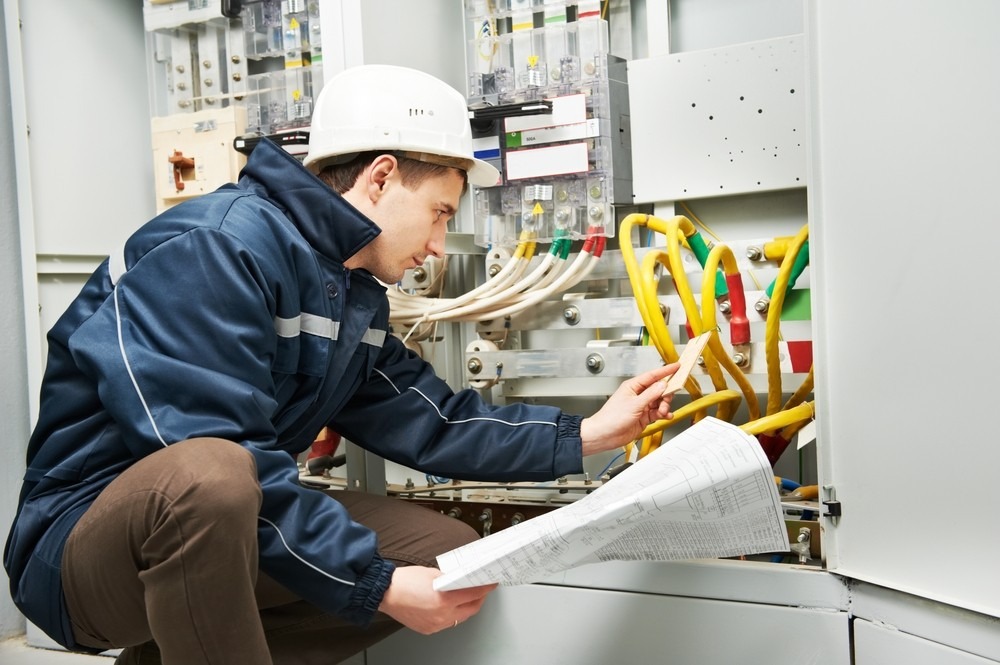
Reed Electrical Services has built a reputation for thorough diagnostic work. We don’t just fix the immediate symptom; we identify underlying issues that could cause future problems and present clients with comprehensive solutions.
Essential Electrical Installation Services
| Service Type | Description | Typical Applications |
| New Outlets | Installing additional electrical outlets | Home additions, workshops, kitchen upgrades |
| Lighting Fixtures | Replacing or installing new lighting | Ceiling fans, chandeliers, and recessed lighting |
| Switch Installation | Adding or upgrading electrical switches | Dimmer switches, smart switches, three-way switches |
| Appliance Circuits | Dedicated circuits for major appliances | Air conditioners, washers, dryers, and hot tubs |
Installation work forms a significant part of what an electrician does on a daily basis. These projects range from simple outlet additions to complex whole-house rewiring projects.
When installing new electrical components, we must ensure proper wire sizing, appropriate circuit protection, and compliance with local building codes. Each installation requires careful planning to ensure the electrical system can handle the additional load safely.
We also coordinate with other tradespeople during renovation projects. This might involve working with plumbers to avoid conflicts between electrical and plumbing systems, or collaborating with contractors to ensure proper electrical rough-in before walls are closed up.
Panel Upgrades and Electrical System Overhauls
Modern homes require significantly more electrical capacity than homes built even 20 years ago. Many older homes have electrical panels that can’t handle today’s electrical demands, which is where panel upgrades become necessary.
Panel upgrades involve replacing the main electrical distribution panel with a larger capacity unit. This work requires coordinating with the utility company, obtaining proper permits, and ensuring the new panel meets current electrical codes. A licensed residential electrician with many years of experience can easily handle even such complex projects.
During a panel upgrade, we evaluate the entire electrical system. This often reveals other issues like outdated wiring, improper grounding, or code violations that need attention. We provide clients with honest assessments of their electrical systems and explain what work is necessary versus what would be beneficial.
Complete electrical system overhauls involve replacing most or all of the electrical wiring in a building. This extensive work is often necessary in older homes where the original wiring has reached the end of its useful life or doesn’t meet current safety standards.
These large projects require careful planning and coordination. We work with clients to minimize disruption to their daily routines while ensuring all work meets the highest safety standards.
Modern Technology Integration
Today’s electricians must adapt to rapidly evolving technology, and what an electrician does now includes installing and maintaining sophisticated electrical systems that didn’t exist even a decade ago.
EV charging station installation has become a significant part of our business at Reed Electrical Services. These installations require understanding different charging standards, proper electrical sizing, and coordination with utility companies for any necessary service upgrades.
Smart home technology integration is another growing area. We install smart switches, outlets, and electrical panels that can be controlled remotely. This work requires understanding both the electrical and networking aspects of these systems.
Energy management systems help homeowners monitor and control their electrical usage. Installing these systems involves both electrical work and programming to ensure they operate correctly.
Solar panel installations and battery backup systems represent another area where modern electricians must expand their expertise. While we don’t install the panels themselves, we handle all the electrical connections and safety systems required for these installations.
Safety Inspections and Preventive Maintenance
| Inspection Component | Frequency | Purpose |
| Electrical Panel | Annually | Check for loose connections, corrosion, and proper labeling |
| GFCI/AFCI Outlets | Monthly | Test the proper operation of safety devices |
| Smoke Detectors | Monthly | Verify operation and replace batteries as needed |
| Whole-Home Assessment | Annually | Identify potential hazards and maintenance needs |
Preventive maintenance and safety inspections represent a crucial aspect of what an electrician does that many people overlook. Regular electrical inspections can identify potential problems before they become dangerous or expensive.
Our First-Class Membership program at Reed Electrical Services emphasizes the importance of annual whole-home electrical safety inspections. During these inspections, we check electrical panels, test GFCI and AFCI devices, examine visible wiring, and identify any potential safety hazards.
We also provide diagnostic evaluations when clients are experiencing intermittent electrical problems. These issues can be particularly challenging because they don’t always occur when we’re present, requiring patience and systematic testing to identify the root cause.
Preventive maintenance extends the life of electrical systems and helps avoid emergency situations. We clean electrical panels, tighten connections, and replace worn components before they fail.
Emergency Electrical Services
Electrical emergencies don’t follow business hours, which is why Reed Electrical Services provides emergency repairs during extended hours from 7 AM to 7 PM. When clients face electrical emergencies, they need immediate professional help.

Common electrical emergencies include:
- Power outages affecting part of a home or business
- Electrical fires or burning smells from electrical components
- Sparking outlets or electrical panels
- Complete loss of power despite utility service being available
- Electrical shocks from appliances or fixtures
Emergency electrical work requires quick thinking and extensive experience. We must rapidly assess the situation, ensure everyone’s safety, and implement temporary or permanent solutions as appropriate.
During emergencies, we prioritize safety above everything else. This might mean shutting off power to large portions of a building until we can identify and correct the problem safely.
We also help clients understand what constitutes a true electrical emergency versus problems that can wait for normal business hours. Proper client education helps ensure emergency services are available when truly needed.
Commercial Electrical Services
What an electrician does in commercial settings involves additional complexity and responsibility. Commercial electrical systems operate at higher voltages and serve more critical functions than residential systems, which is why it is best to call a professional licensed commercial electrician in such situations.
Commercial electrical work includes:
- Three-phase power systems – Most commercial buildings use three-phase electrical service for efficiency and capacity
- Emergency lighting systems – Required by building codes to ensure safe evacuation during power outages
- Fire alarm systems – Complex electrical systems that must meet strict code requirements
- Industrial equipment wiring – Specialized electrical connections for manufacturing and commercial equipment
- Energy management systems – Sophisticated controls to optimize electrical usage and reduce costs
Commercial projects often require coordination with building owners, tenants, and other contractors. We must complete work while minimizing disruption to business operations, which often means working during off-hours or weekends.
Code compliance is particularly important in commercial work. Buildings must pass electrical inspections, and any code violations can prevent occupancy permits or create liability issues.
The Importance of Professional Licensing and Training
Professional electricians complete extensive training and maintain proper licensing to ensure they can safely perform electrical work. This training never really ends. We continuously update our knowledge as technology evolves and code changes.
Licensed electricians understand electrical theory, safety protocols, and building codes. We carry insurance to protect clients and ourselves, and we guarantee our work meets professional standards.
At Reed Electrical Services, our licensed technicians bring years of experience to every project. We don’t cut corners or provide quick fixes that might create future problems. Instead, we focus on long-term electrical system performance and safety.
Unlicensed electrical work can create serious safety hazards and legal issues. Insurance companies may deny claims for damage caused by improper electrical work, and unprofessional installations can create fire hazards or electrocution risks.
Client Education and Transparent Communication
Professional electricians should provide more than just technical expertise – we should also educate our clients about their electrical systems. What an electrician does includes explaining electrical issues in terms that clients can understand and helping them make informed decisions about their electrical systems.
We believe in transparent communication about electrical work. This means providing honest assessments of electrical systems, explaining what work is necessary versus optional, and giving upfront pricing before beginning any work.

Client education extends to helping people understand how their electrical systems work, what signs might indicate problems, and when to call for professional help. Well-informed clients can often prevent small issues from becoming major problems.
We also explain the reasoning behind our recommendations. When we suggest a panel upgrade or circuit addition, we explain why this work is necessary and how it will benefit the client’s electrical system.
Adapting to Evolving Energy Needs
The electrical industry continues to evolve as energy needs change and new technologies emerge. What an electrician does today includes staying current with these changes and helping clients adapt their electrical systems accordingly.
Electric vehicle adoption is driving demand for home charging stations. These installations require understanding charging standards, proper electrical sizing, and sometimes utility service upgrades to handle the additional electrical load.
Energy storage systems are becoming more common as battery technology improves and costs decrease. These systems require specialized knowledge of battery safety, charging systems, and integration with existing electrical systems.
Smart home technology continues to evolve, requiring electricians to understand both electrical and networking technologies. Modern homes might include smart panels, automated lighting systems, and sophisticated energy management controls.
Renewable energy systems like solar panels require electrical expertise for proper connection and safety system installation. While we might not install the panels themselves, we handle all the electrical connections and safety systems.
Quality Workmanship and Long-Term Performance
Professional electrical work should last for decades when properly installed and maintained. At Reed Electrical Services, we focus on quality workmanship that provides long-term value rather than quick fixes that might create future problems.
This commitment to quality means using appropriate materials, following proper installation procedures, and ensuring all work meets or exceeds code requirements. We stand behind our work and maintain relationships with clients long after projects are completed.
Quality electrical work also means proper cleanup and restoration after electrical projects. We respect our clients’ properties and leave job sites clean and organized.
We prioritize electrical system performance over time, not just immediate functionality. This might mean recommending additional work that provides long-term benefits, even if it’s not immediately necessary.
Ready to Experience Professional Electrical Service?
Understanding what an electrician does helps you recognize the value of professional electrical service and the importance of choosing experienced, licensed technicians for your electrical needs.
At Reed Electrical Services, we bring comprehensive expertise to every electrical project across South Chicagoland. Whether you need diagnostic troubleshooting, system upgrades, or cutting-edge technology installations, our team provides the professional service your electrical systems deserve.
Don’t let electrical issues compromise your safety or property value. Contact us today to experience the difference professional electrical service makes.